Aviator Red vs Sapphire Reserve
Side-by-side comparison: signup bonus, annual fee, benefits, transfer partners. Updated daily from issuer pages.
Quick Answer
For year-one net value (welcome bonus minus annual fee), Sapphire Reserve comes out ahead at ~$2,280 even at a higher $795 annual fee vs $99. Sapphire Reserve sits in Chase UR; Aviator Red sits in American Airlines AAdvantage. The right pick still depends on which credits and category multipliers fit your spending pattern — full breakdown below.
Sapphire Reserve
Highest first-year value among the 2 cards you're comparing — $4,570 after annual fee.
Barclays
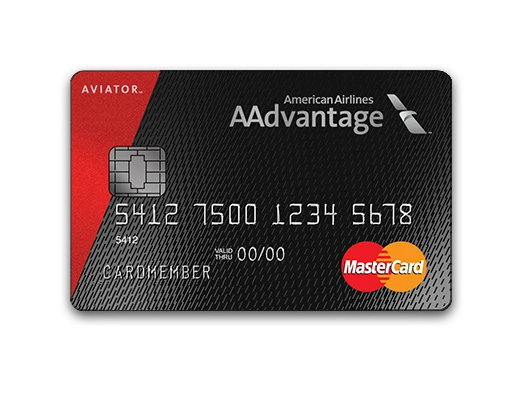
Aviator Red
Annual Fee
$99/yr
Signup Bonus
70,000 AAdvantage Miles
Bonus Value
~$1,120
Benefits Value
~$100/yr
Spend Req.
$1 / 1mo
Rewards Currency
American Airlines AAdvantage
Network
Mastercard
Card Type
Personal
Benefits
🛫 airline credit
First Checked Bag Free
$70/use
25% Inflight Savings
$30/yr

Chase
Sapphire Reserve
Annual Fee
$795/yr
Signup Bonus
150,000 Ultimate Rewards
Bonus Value
~$3,075
Benefits Value
~$2,290/yr
Spend Req.
$6,000 / 3mo
Rewards Currency
Chase UR
Network
Visa
Card Type
Personal
Benefits
✈️ travel credit
Annual Travel Credit
$300/yr
Lyft Credit
$120/yr
Global Entry / TSA PreCheck Credit
$120/yr
🍽️ dining credit
Sapphire Reserve Dining Credit
$300/yr
DoorDash + DashPass Credits
$300/yr
🏨 hotel credit
The Edit Hotel Credit
$500/yr
🏛️ lounge
Priority Pass Select
$400/yr
⭐ status
IHG One Rewards Platinum Elite
🛍️ shopping credit
Apple TV+ and Apple Music
$250/yr
Quick winners by category
The fast answer if you came here looking for one specific thing.
Best for Travel
Sapphire Reserve
Wins on the full premium-travel stack — travel credit + hotel credit + lounge network + comprehensive travel insurance — all under one annual fee.
Best for Dining
Sapphire Reserve
Dedicated dining credit plus strong restaurant earning multiplier.
Best for Lounge Access
Sapphire Reserve
Includes Sapphire Lounge + Priority Pass access — the other card has none.
Best for Transfer Partners
Sapphire Reserve
Chase UR has 14+ transfer partners — better redemption flexibility.
Best for Beginners
Aviator Red
Lower $99 annual fee makes the math safer for newer cardholders.
Best Overall Value
Sapphire Reserve
~$4,570 of first-year value after annual fee — wins the math.
Best for Premium Travel
Sapphire Reserve
Premium hotel credits, top-tier lounge access, and travel insurance built in — the luxury-travel pick.
Best for Hyatt Transfers
Sapphire Reserve
Transfers points to World of Hyatt 1:1 — the highest-CPP redemption in the points game. Chase UR owns this advantage.
Biggest Credit Stack
Sapphire Reserve
Bigger statement-credit stack (~740/yr in tracked credits) — high ceiling if you use them.
What it's worth for your spending
Estimated first-year value (welcome bonus + benefits − annual fee) for four common spending profiles.
| Profile | Aviator Red | Sapphire Reserve |
|---|---|---|
| Light spender, building credit | $1,297 | $4,782 |
| Everyday family ($40K/yr spend) | $1,661 | $5,407 |
| Frequent traveler (2-3 trips/yr) | $1,661 | $6,010 |
| Premium traveler (5+ trips/yr) | $2,021 | $7,612 |
Year-one value = welcome bonus + tracked benefits + estimated points value from spending − annual fee. Points valued at 1.5¢ each (transferable) or 1¢ each (cashback). Real-world value depends on how you redeem.
Side-by-side: every spec that matters
Higher value highlighted in green per row.
| Aviator Red | Sapphire Reserve | |
|---|---|---|
| Welcome bonus | 70,000 AAdvantage Miles (~$1,120) | 150,000 Ultimate Rewards (~$3,075) |
| Annual fee | $99/yr | $795/yr |
| Authorized user fee | Varies | $75/user |
| Transfer partners | None (single program) | 14+ partners (Chase UR) |
| Travel credits | $100/yr | $540/yr |
| Lounge access | None | Sapphire Lounge + Priority Pass |
| Dining rewards | 1x | 3x 3x on dining including delivery and takeout |
| Grocery rewards | 1x | 1x |
| Hotel rewards | 1x | $500/yr 3x The Edit hotels via Chase Travel; 4x airfare via Chase Travel |
| Travel insurance | Included | Comprehensive |
| Cell phone protection | Not standard | Included |
| Foreign transaction fee | $0 | $0 |
| Mobile wallet | Apple Pay, Google Pay, Samsung Pay | Apple Pay, Google Pay, Samsung Pay |
| Network | Mastercard | Visa |
Who should get the Aviator Red?
- ✓You're comfortable with a $99 annual fee in exchange for stronger earning and welcome bonus value.
- ✓You fly a specific airline 4+ times per year and want elite-style perks (free bags, priority boarding).
- ✓You're already over 5/24 — Chase approvals are unlikely for now, so Amex / Cap One / Citi cards are the realistic next move.
Who should get the Sapphire Reserve?
- ✓You'll book through Chase Travel 4+ times a year to use the $300 travel credit + Edit by CSR $500 hotel credit before they reset.
- ✓You live near a Sapphire Lounge (NYC, BOS, LAS, PHX, IAH, HKG and growing) — otherwise the lounge value is largely Priority Pass.
- ✓You're under Chase 5/24 — Plat-stack-style applicants over 5/24 should look at Cap One Venture X first.
- ✓Hyatt 1:1 + premium lounge in one card is your priority — Amex Plat has more lounges but no Hyatt.
- ✓You're a frequent traveler willing to absorb a $795 annual fee for premium credits and lounge access.
- ✓Travel is one of your top 3 spending categories and you want to earn faster on flights, hotels, and ride-shares.
- ✓You eat out regularly and want bonus points on restaurants worldwide.
Frequently asked questions
Which has a better welcome bonus, Aviator Red or Sapphire Reserve?
Sapphire Reserve currently offers the stronger welcome bonus by estimated cash value (~3,075 vs ~1,120). Welcome bonus offers change frequently — check the current offer on each card's detail page before applying.
Is the Aviator Red worth the 99 annual fee?
For first-year cardholders the answer is usually yes — the welcome bonus (~1,120) and statement credits alone typically cover the 99 fee several times over. After year one, the math depends on your spending patterns. Use our Annual Fee Calculator with your actual numbers to verify before renewing.
Is the Sapphire Reserve worth the 795 annual fee?
For first-year cardholders the answer is usually yes — the welcome bonus (~3,075) and statement credits alone typically cover the 795 fee several times over. After year one, the math depends on your spending patterns. Use our Annual Fee Calculator with your actual numbers to verify before renewing.
Can I have both the Aviator Red and the Sapphire Reserve?
Yes — these cards are from different issuers (Barclays and Chase), so holding both is fine. Each card has its own welcome bonus and benefits with no overlap rules between the two issuers.
Which card is better for transferring points to Hyatt?
Sapphire Reserve transfers to World of Hyatt at 1:1 through its Chase UR ecosystem — one of the highest-CPP redemptions in the points game. Aviator Red doesn't transfer to Hyatt — American Airlines AAdvantage has no Hyatt partnership.
Which card has better airport lounge access?
Sapphire Reserve includes Sapphire Lounge + Priority Pass. Aviator Red doesn't include lounge access — you'd need to pay for it separately or upgrade to a premium card.
Which card has the better overall value?
Based on first-year math (welcome bonus + tracked statement credits − annual fee), Sapphire Reserve comes out ahead at ~4,570 of net value vs ~1,121 for the other card. After year one, the better card for YOU depends on how naturally you'll use the credits and category bonuses.
Does Chase's 5/24 rule affect approval for these cards?
Yes — Sapphire Reserve is issued by Chase, so the 5/24 rule applies. If you've opened 5 or more cards in the last 24 months, Chase will likely deny your application. Aviator Red is issued by Barclays and isn't subject to 5/24.
Ready to apply?
Click through to the issuer's secure application page. Welcome bonus offers are confirmed at the time of approval, not at click time.
Barclays
Aviator Red
Welcome: 70,000 AAdvantage Miles · ~$1,120 est. value
Chase
Sapphire Reserve
Welcome: 150,000 Ultimate Rewards · ~$3,075 est. value
Run your own numbers
These calculators use the same data this comparison runs on — plug in your spending and see net value.
Last reviewed
2026-05-29
Data sources
Issuer pages (verified via Playwright on this date), TPG monthly valuations, public award charts.
Methodology
Editorial note: CreditPoints may earn a commission when you apply through some of the links on this page, but the side-by-side ranking, Quick Winners and Real-World Scenarios are algorithmic and identical for all readers. We never accept payment to change ordering.
Related guides
Long-form context on the cards and programmes in this comparison.
Upgrade Chase Sapphire Preferred to Reserve or Apply Fresh? The 48-Month Decision (2026)
The CSP-to-CSR decision hinges on the Chase Sapphire 48-month rule and 5/24. Apply fresh = $1,000+ windfall when eligible; product-change = $0 cost when locked out. 4-question decision tree, 5 scenarios, 3 case studies.
Read
Chase Ultimate Rewards Transfer Partners 2026: The 12-Partner Playbook (With Sweet Spots)
12 transfer partners, only 4 worth using regularly. Per-partner sweet spots, CPP math, and a decision framework that turns 100K UR into $3,000–$4,200 of real travel value instead of $1,250 cash back.
Read
Chase 5/24 Workaround Strategy: 3 Legitimate Ways to Get Approved (2026)
Over 5/24 and Chase keeps auto-denying? Three workarounds that actually work (Ink Business loophole, AU removal, 24-month timing), one that doesn't (branch applications), and the math on each.
Read
Chase Sapphire Trifecta 2026: The 3-Card Combo That Maximises Ultimate Rewards (With Full Math)
Two no-AF Freedoms + one Sapphire. Sounds simple. Most people botch it. The application order, point-routing rules, and full Year-1/Year-2 math for three traveler profiles in 2026.
Read
Compare with other cards
Popular comparisons among the same audience.