Resumen rápido
Chase hizo dos cambios significativos a Ultimate Rewards en 2026.
Primero, a partir del 27 de marzo, los redemptions de cash-back vía statement credit y depósito directo quedan restringidos a cuentas de depósito de Chase — ya no puedes redimir a un banco externo.
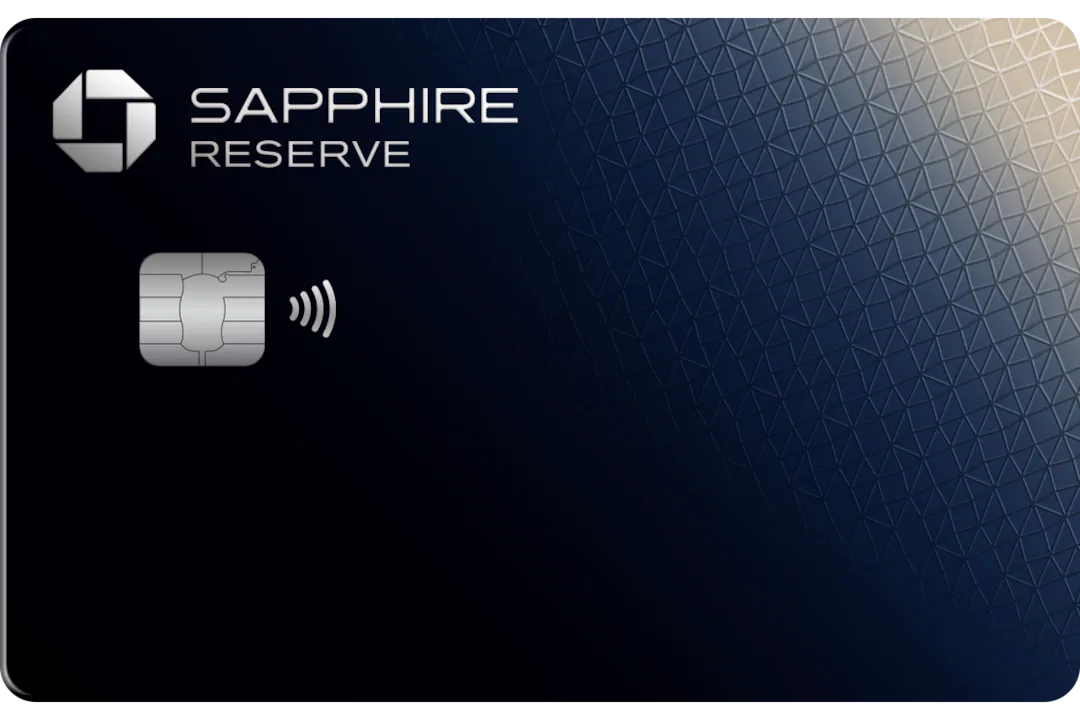
Segundo, el viejo redemption del portal de la Sapphire Reserve a 1.5 centavos por punto fue reemplazado por Points Boost, un modelo de pricing dinámico donde los valores de redemption varían según la reserva.
Efecto neto: los power users salen peor parados, y el playbook de transfer partners es más importante que nunca.
Qué pasó
La restricción de cash-back
El 27 de marzo de 2026, Frequent Miler reportó que Chase había restringido los redemptions de cash-back de Ultimate Rewards solo a cuentas Chase de checking, savings y tarjetas de crédito.
Los clientes sin una cuenta de depósito Chase aún pueden redimir como statement credit contra su tarjeta Chase, pero los depósitos directos a bancos externos (Ally, SoFi, Schwab, etc.) ya no están disponibles.
Points Boost reemplaza el piso de 1.5x
Por separado, The Points Guy detalló Points Boost, que reemplazó el redemption plano del portal de 1.5 centavos por punto de la Sapphire Reserve.
Bajo Points Boost, Chase publica solo un techo de "hasta 2.0 centavos por punto" — no hay mediana ni piso publicado por Chase. Sin una oferta activa de Points Boost en una reserva, la tasa default de redemption es 1.0 centavo por punto.
El agregado de analistas de NerdWallet sitúa la mediana realizada en torno a 1.25-1.4 centavos por punto en propiedades fuera de Edit. Esa cifra es un estimado de tercero, no de Chase.
Para los titulares de la Sapphire Preferred, la vieja tasa de portal de 1.25 centavos por punto también se volvió dinámica, con la mayoría de redemptions cayendo entre 1.0 y 1.25 centavos.
Warning
⚠️ Regla importante de grandfathering — según el anuncio del refresh de la Chase CSR, los puntos UR ganados antes del 26 de octubre de 2025 conservan la vieja tasa de redemption del portal de 1.5x en la Sapphire Reserve hasta el 26 de octubre de 2027. Quema balances viejos en el portal antes de que se cierre la ventana.
Números clave
- 27 de marzo de 2026 — fecha efectiva de la restricción de cash-back
- 1.5 cpp — vieja tasa plana del portal de CSR (ya no existe)
- 1.0 cpp — default de Points Boost (sin oferta activa)
- 2.0 cpp — techo publicado de Points Boost
- 1.25-1.4 cpp — mediana del analista de NerdWallet en propiedades fuera de Edit
- 26 de octubre de 2025 — última fecha para ganar UR a la tasa grandfathered de 1.5x
- 26 de octubre de 2027 — cierre de la ventana grandfathered
- $795 — cuota anual actual de la CSR (subida desde $550)
- $95 — cuota anual de la CSP
Viejas tasas del portal vs Points Boost
| Tarjeta / cohorte | Vieja tasa del portal | Nueva tasa bajo Points Boost |
|---|---|---|
| CSR (puntos ganados después del 26-oct-2025) | 1.5 cpp plano | Default 1.0 cpp; hasta 2.0 cpp; mediana 1.25-1.4 cpp |
| CSR (puntos ganados antes del 26-oct-2025) | 1.5 cpp plano | Grandfathered 1.5x hasta el 26 de octubre de 2027 |
| CSP | 1.25 cpp plano | Dinámico 1.0-1.25 cpp |
Por qué importa
La restricción de cash-back importa menos de lo que los entusiastas temían — la mayoría de los titulares Chase ya tenía una relación de checking.
El cambio de Points Boost, en cambio, es una devaluation real vestida con lenguaje de marketing. Un redemption de 100K UR que solía garantizar $1,500 en viaje a través del portal de la Sapphire Reserve ahora vale entre $1,000 y $2,000 según la reserva.
El valor esperado en reservas típicas ronda los $1,300-$1,400 — aproximadamente una devaluation del 7-13% sobre el piso del portal.
Note
📌 La buena noticia — el ecosistema de transfer partners está completamente intacto. World of Hyatt, Air France Flying Blue, Virgin Atlantic, United y Southwest siguen transfiriendo 1:1 a tasas estándar.
Si ya estabas extrayendo 2-3 centavos por punto vía transfers, nada cambia en tu estrategia. Si dependías del portal como piso de valor, ese piso acaba de caer.
Quién gana
- Lealistas de Hyatt — los redemptions de World of Hyatt en propiedades de menos de 15K puntos rutinariamente pegan 2.5-3 centavos por UR. Sin cambios bajo las reglas de 2026.
- Clientes existentes de Chase checking — flexibilidad de redemption de cash-back sin cambios.
- Usuarios sofisticados de transfer partners — los transfers a Air France, Virgin y United siguen 1:1; los transfer bonuses siguen funcionando.
- Quienes reservan hoteles "Edit" — la lista curada de propiedades sí ofrece redemptions genuinos de 2 centavos en hoteles de lujo selectos.
- Titulares de Ink Preferred — los UR de Ink se acumulan con los UR de consumer para acceso a transfers, esquivando por completo la devaluation del portal.
Quién pierde
- Quienes redimen cash-back sin cuentas de depósito Chase — ahora deben abrir una cuenta de checking Chase o aceptar redemption solo como statement credit.
- Usuarios del portal de la Sapphire Reserve — perdieron el piso garantizado de 1.5 centavos por punto. La mediana de redemption ahora es de 1.25-1.4 centavos.
- Usuarios del portal de la Sapphire Preferred — perdieron el piso garantizado de 1.25 centavos por punto.
- Usuarios casuales que no usan transfer partners — el camino a 2+ centavos por punto ahora requiere esfuerzo real.
Qué deberías hacer ahora
- Si redimes cash back, abre una cuenta de checking Chase. Total Checking y Sapphire Checking son gratis con requisitos menores y restauran la flexibilidad total de redemption.
- Deja de ir al portal por default. Siempre compara precio contra un redemption de transfer partner antes de reservar vía Chase Travel. Usa el trip planner para modelar ambas opciones.
- Arma una shortlist de transfer partners. Hyatt para hoteles, Air France o Virgin Atlantic para vuelos premium, United para doméstico. Mira la guía actualizada de transfer partners.
- Reconsidera la Sapphire Reserve con AF de $795. Si tenías la Reserve principalmente por el multiplicador de portal de 1.5 cpp, corre la matemática de upgrade vs aplicación nueva y considera bajar a Sapphire Preferred. La cuota anual de la CSR subió de $550 a $795, efectivo junio 2025 para nuevos aplicantes y octubre 2025 para renovaciones existentes.
- Recalcula tu valuación de puntos. Nuestro framework de 100K puntos Chase recorre los tiers de valuación post-2026. La mayoría de usuarios ahora debería usar 1.5-2 cpp como su valuación interna, no 2-3.
Warning
⚠️ Regla cardinal — nunca transfieras UR de Chase de forma especulativa. Mueve puntos solo con un premio en hold.
En resumen
Los cambios de 2026 no son un golpe mortal a Ultimate Rewards — son una continuación de un reposicionamiento silencioso, de varios años, de UR pasando de ser un programa universalmente generoso a un sistema de dos tiers que premia a usuarios sofisticados y castiga a los casuales.
Los power users que ya vivían en el ecosistema de transfer partners no notarán estos cambios en absoluto.
Los usuarios casuales que dependían del portal como respaldo de valor verán su valor efectivo de centavos por punto caer silenciosamente entre 7-15%.
La implicación estratégica es directa: Chase acaba de hacer que la estrategia trifecta sea más importante, no menos. Los setups solo de cash-back ahora son estrictamente peores.
Si no estás transfiriendo activamente a partners, deberías o subir tu estrategia o aceptar que tus puntos Chase ahora valen 1.25 centavos cada uno — punto en el que las tarjetas de cash-back de tasa plana de otros emisores empiezan a verse competitivas.
El terreno intermedio — tener una Sapphire Reserve por los multiplicadores del portal sin usar partners — es la peor posición. O te vas full transfer partner o bajas de tier y dejas de pagar la cuota premium.
Para más sobre cómo estos cambios se propagan a decisiones específicas de redemption de UR, mira nuestra pieza de impacto del cambio del chart Hyatt en transfers Chase, el retrospectivo de la oferta de bienvenida de 150K de la Chase Sapphire Reserve, y el lineup de ofertas elevadas de Chase Ink 2026.
Más comparaciones de tarjetas
- Comparación directa: Ink Business Preferred vs Chase Sapphire Reserve
- Comparación directa: Chase Sapphire Preferred vs Chase Sapphire Reserve
- Comparación directa: Ink Business Preferred vs Chase Sapphire Preferred
- Comparación directa: Chase Sapphire Reserve vs United Club Infinite Card
- Comparación directa: Chase Sapphire Reserve vs United Quest Card
- Comparación directa: British Airways Visa Signature Card vs Chase Sapphire Reserve
- Comparación directa: Iberia Visa Signature Card vs Chase Sapphire Reserve
- Comparación directa: Aer Lingus Visa Signature Card vs Chase Sapphire Reserve