Note
📌 Actualización, 16 de octubre de 2026 — Este artículo describe el cambio a asientos asignados de enero de 2026 y las reglas de calificación vigentes entonces. El 15 de octubre de 2026 Southwest anunció un cambio mucho mayor: desde el 1 de enero de 2027 la vía de 135,000 puntos se retira, el Companion Pass pasa a ser un beneficio del nuevo nivel Platinum (140,000 Tier Qualifying Points), y los bonos de bienvenida dejan de contar. Ver Cambiaron las reglas del Southwest Companion Pass: la guía completa 2027.
Resumen rápido
El lanzamiento del assigned seating de Southwest el 27 de enero de 2026 reconfiguró el Companion Pass sin tocar las cuentas de los 135,000 qualifying points.
Tu companion sigue volando pagando solo los impuestos (alrededor de $5.60 por tramo doméstico) por el resto del año de calificación más todo el año siguiente completo.
Lo que cambió: el nuevo sistema de 8 grupos de boarding y una regla de "gana el mejor beneficio" que en la práctica vuelve el pase más valioso.
Note
📌 Nota — son tres eventos distintos de Southwest que conviene tener claros: 27 de enero de 2026 (assigned seating + 8 grupos de boarding), 9 de abril de 2026 (SUBE la tarifa por maleta a $45/$55), y 29 de julio de 2025 (regla de misma fare class).
Qué pasó
Durante casi dos décadas, el Southwest Companion Pass fue la mejor oferta en viajes domésticos — y la más teatral.
Ganabas 135,000 qualifying points o 100 vuelos one-way en un año calendario, y luego tu companion designado volaba gratis contigo por el resto de ese año y todo el siguiente.
Ambos pasajeros se formaban en la puerta, el titular A-List primero, escaneaban un boarding pass, y literalmente corrían por el jet bridge para apoderarse de una fila.
Esa carrera terminó el 27 de enero de 2026. Las cuentas de los 135K no cambiaron. Casi todo lo demás alrededor sí.
Cifras clave
- 135,000 qualifying points — umbral para ganar el Companion Pass
- 100 vuelos one-way pagados — vía alternativa para ganarlo
- $5.60 por tramo — impuestos/cargos domésticos típicos del companion
- 27 de enero de 2026 — lanzamiento de assigned seating + 8 grupos de boarding
- 29 de julio de 2025 — regla de misma fare class al reservar
- 28 de mayo de 2025 — Southwest introdujo POR PRIMERA VEZ tarifas por maleta a $35/$45
- 9 de abril de 2026 — las tarifas por maleta SUBIERON a $45 la primera / $55 la segunda
- 8 — número de grupos de boarding bajo el nuevo sistema
- 3 — cambios de companion designado permitidos por año calendario
- $4,000+/año — ahorro típico para una pareja que vuela con frecuencia
Cronología de cambios Southwest 2025-2026
| Fecha | Evento |
|---|---|
| 28 de mayo de 2025 | Se introducen POR PRIMERA VEZ tarifas por maleta ($35 la primera / $45 la segunda) |
| 29 de julio de 2025 | Regla de misma fare class al reservar para el Companion Pass |
| 27 de enero de 2026 | Se lanza assigned seating + 8 grupos de boarding |
| 9 de abril de 2026 | SUBEN las tarifas por maleta a $45 la primera / $55 la segunda |
Las cuentas de los 135K sobrevivieron — apenas
Empieza por lo que no cambió: 135,000 qualifying points o 100 vuelos one-way pagados, ganados en un solo año calendario, siguen activando el pase.
Los qualifying points incluyen puntos ganados con vuelos, con gasto en las tarjetas co-branded de Southwest (incluyendo los welcome bonuses) y con compras base de las tarjetas. Los puntos transferidos desde Chase Ultimate Rewards siguen sin contar para el umbral — esa es la regla que ha tropezado a los entusiastas de Chase desde 2018.
El companion sigue volando pagando solo impuestos y cargos (normalmente $5.60 por tramo doméstico), y el pase sigue siendo válido por el resto del año de calificación más todo el año calendario siguiente.
Gánalo en febrero y obtienes casi dos años completos.
El ajuste de misma fare class del 29 de julio de 2025
Lo que sí se ajustó de forma silenciosa fue la regla de reserva en la misma fare class que Southwest desplegó el 29 de julio de 2025, anticipándose al lanzamiento del nuevo seating.
Cuando reservas el boleto principal y luego agregas al companion, este debe quedar reservado en la misma fare class que el principal en el momento de la reserva.
Si la fare class del principal se agotó cuando agregas al companion, tienes que subir de tarifa al principal (o esperar y rezar para que se abra inventario). Es una molestia menor para la mayoría de los viajes, pero puede dolerte en ventanas de temporada alta.
Warning
⚠️ Advertencia — Companion Pass = 135K qualifying points O 100 vuelos pagados. Las transferencias de Chase UR a Rapid Rewards siguen sin contar para ese umbral.
Cómo se ve realmente el nuevo boarding
Southwest reemplazó el open seating con asientos asignados y la famosa cattle call numerada A/B/C con ocho grupos de boarding numerados.
El pre-boarding sigue existiendo para necesidades ADA. Después de eso:
- Grupos 1-2: asientos Extra Legroom, A-List Preferred, equivalentes a Business Select
- Grupos 3-4: A-List, titulares top de tarjetas, tarifas Wanna Get Away Plus con upgrades pagados
- Grupos 5-6: economy estándar según hora de check-in o de selección de asiento
- Grupos 7-8: basic economy y reservas de último minuto
Eliges tu asiento al reservar (o pagas por elegir uno en una zona mejor), y abordas con el grupo que tu asiento o tu status te asigne.
El truco del "buy-up" A1-15 — pagar $30-50 en la puerta para saltar al frente y salvar una fila — está muerto. Ya no hay nada que salvar.
Esto suena a downgrade, y para los viajeros solos acostumbrados a explotar el open seating, lo es. Para los titulares del Companion Pass, en realidad es un upgrade significativo — una vez que entiendes la regla del "gana el mejor beneficio".
La regla del "gana el mejor beneficio" cambia la ecuación de valor
Este es el cambio de regla más importante para los titulares del Companion Pass en 2026, y es el que la mayoría de los artículos ha pasado por alto.
Bajo el nuevo sistema, el companion hereda el mejor beneficio aplicable del viajero principal para asignación de asiento y boarding.
En cristiano: si tú eres A-List Preferred y tu companion es un miembro básico de Rapid Rewards, ahora el companion aborda en tu grupo y puede sentarse en la misma zona que tú — sin pagar upgrade.
El companion recibe la misma ventana de selección de asiento que el principal. Si el principal tiene una tarjeta co-branded de Southwest con priority boarding, el companion también lo hereda.
Antes y después del 27 de enero
Antes del 27 de enero, el companion tenía que arreglárselas solo en el open seating. Podía terminar en la fila 28 en el medio mientras tú te estirabas en la fila 5 junto al pasillo.
Ahora va literalmente al lado tuyo, en la zona que tu status ganó.
Las cuentas para 2026 sobre esto:
- Extra Legroom + ventana para dos: aproximadamente $40-80 por vuelo ahorrados en upgrades pagados, según la ruta
- Selección de asiento gratis en la zona delantera: $15-30 por tramo ahorrados
- Herencia de grupo de boarding: intangible, pero elimina por completo el riesgo de "nos separaron"
Multiplica eso por 30-50 vuelos al año con Companion Pass (lo típico para quien gana el pase) y el valor funcional del pase efectivamente subió en 2026, aunque las reglas oficiales no hayan cambiado.
Si eres nuevo en Chase Ultimate Rewards como estrategia complementaria, nuestro desglose de la Chase Sapphire trifecta 2026 es el lugar para empezar.
El camino más rápido a 135K en 2026
Hay tres caminos viables a 135K en un año calendario, y la mayoría de quienes lo logran usan una combinación de dos.
Camino 1: Dos tarjetas Chase Southwest en un mismo año
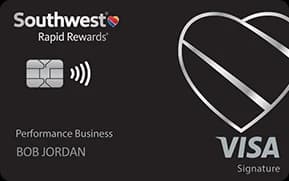
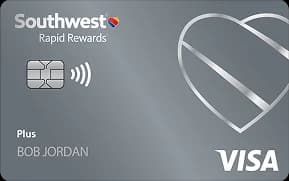
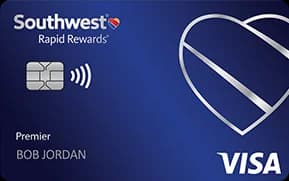
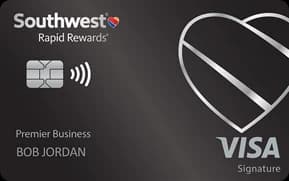
Este es el clásico. Abre una Southwest personal (Plus, Premier o Priority) y una Southwest Performance Business en el mismo año calendario.
Los welcome bonuses de ambas — normalmente entre 75K-85K combinados cuando ambas están en ofertas altas — más el gasto orgánico te llevan a 135K sin volar ni una milla.
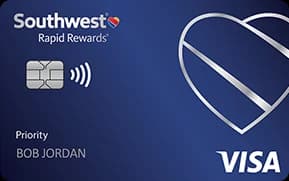
La SW Priority es la personal a la que por defecto recurren la mayoría de los pass-chasers. El travel credit anual de $75 y los 7,500 puntos de aniversario compensan de forma material la cuota anual, y cada dólar calificable cuenta para el pase.
Camino 2: Mix con muchos vuelos
Si ya vuelas con Southwest 20+ veces al año por trabajo, ya tienes parte del camino hecho solo con los ganados por vuelos.
Agrega un welcome bonus de una tarjeta Southwest y cierras. El camino más barato para los road warriors.
Camino 3: Timing estratégico del Q1
Gana el pase para el 31 de marzo, y tendrás el pase por el resto de 2026 más todo 2027 — 21 meses.
Gánalo en octubre y ya quemaste seis meses de tiempo de pase. Casi todos los pass-chasers dedicados apuntan a un pase de enero o febrero.
Note
📌 Nota — las transferencias de Chase UR siguen siendo inútiles para el umbral de los 135K en sí. Los puntos transferidos desde una Sapphire Preferred o una Sapphire Reserve a Southwest no cuentan como qualifying points.
Las transferencias UR sí son extremadamente útiles para quemar puntos Southwest en vuelos una vez que ganaste el pase, sobre todo durante bonus de transferencia. Nuestro resumen de los mejores bonus de transferencia de 2026 rastrea cuáles bonus de transferencia de Chase están activos hoy.
Dónde pierde terreno el Companion Pass
No todo es positivo. Tres pérdidas reales en 2026:
- El candado de misma fare class puede forzarte a subir de tarifa al principal solo para agregar al companion si el inventario se aprieta. En fines de semana de temporada alta, eso es un costo real.
- Fin de la flexibilidad de standby. El open seating significaba que un companion flexible en standby se subía contigo y listo. Con asientos asignados y grupos de boarding confirmados, el standby ahora es formal y estructurado — se acabó el "abordamos juntos y vemos qué hacemos".
- El Extra Legroom ahora es un producto pagado. Las filas de salida del open seating eran gratis para quien llegara primero. Ahora son un buy-up, y los titulares de Companion Pass que las quieran tienen que pagarlas en el asiento del principal (y el companion lo hereda por la regla del mejor beneficio — flaco consuelo si ya estás pagando $50 por tramo).
Quién gana
- Parejas que ganan el pase por primera vez en 2026 — la herencia de boarding es un upgrade real
- Titulares A-List Preferred con companions sin status — el companion ahora aborda contigo
- Quienes ganan el pase en el Q1 — 21-22 meses de validez vs ~12 meses para quien lo gane en octubre
- Quienes apilan dos tarjetas Chase Southwest — los welcome bonuses combinados siguen cerrando la brecha de 135K
Quién pierde
- Usuarios del Companion Pass en temporada alta — la regla de misma fare class fuerza upgrades de tarifa
- Companions casuales en standby — el flujo formal de standby termina con la era del walk-on
- Quienes explotaban el open seating — el truco del buy-up A1-15 ya no existe
- Viajeros de Southwest que vuelan solos por trabajo — el pase no tiene valor si no vuelas con alguien
Cómo se compara contra Delta, United y los socios de American
El Companion Pass de Southwest sigue siendo el mejor beneficio para companion en la industria aérea de EE.UU., y los cambios de 2026 no le hicieron mella.
- Delta: el companion certificate de las tarjetas Reserve es un beneficio de un solo viaje al año
- United: un solo viaje round-trip
- American: no tiene un equivalente real en sus co-brands
El Companion Pass sigue siendo un año calendario de vuelos ilimitados por una sola cuota. Incluso a $5.60 por tramo en impuestos, una pareja que vuela mensualmente de Nueva York a Las Vegas ahorra más de $4,000 al año.
Si estás optimizando un portafolio más amplio en torno a esto, nuestra guía de mejores tarjetas de crédito para viajes 2026 explica cómo la Southwest Priority encaja junto a un ancla de puntos transferibles como la Sapphire Preferred o la Sapphire Reserve.
Tip
💡 Tip — Southwest no es socio de transferencia de Chase UR. Las tarjetas Sapphire son útiles por la flexibilidad de redemption a nivel portafolio alrededor de los viajes con Companion Pass, no por transferencias directas de puntos a Rapid Rewards.
Qué hacer ahora
Si tú y tu companion designado vuelan juntos seis o más viajes round-trip al año en rutas de Southwest (mayormente domésticas, mayormente punto a punto, mayormente de placer), el pase sigue siendo el beneficio de lealtad de mayor ROI que ofrece cualquier aerolínea de EE.UU.
Los cambios de 2026 mejoraron dramáticamente la experiencia de usarlo gracias a la herencia de asiento y boarding.
La salvedad: si vuelas con Southwest principalmente por trabajo y en solitario, el pase no te ofrece nada. Gasta tus tarjetas Chase en tarjetas de puntos transferibles y úsalas para cabinas premium internacionales. Nuestra referencia de socios de transferencia de Chase Ultimate Rewards 2026 cubre las 14 opciones de transferencia.
La conclusión
Para todos los demás, enero-febrero de 2026 sigue siendo la ventana óptima para ganarlo y cubrir 2027. Las cuentas no cambiaron. Los asientos solo mejoraron.
Para un contexto más amplio sobre qué más cambió Southwest este año (incluyendo la subida de la tarifa de maleta facturada del 9 de abril de 2026 a $45 la primera / $55 la segunda), mira nuestro retrospectivo de los mayores cambios de tarjetas de crédito y viajes de 2026 y el estado de las recompensas de viaje a mediados de 2026.
Más comparaciones de tarjetas
- Comparación directa: Chase Sapphire Preferred vs Chase Sapphire Reserve