Best Chase Credit Card 2026: Ranked by Use Case
The best Chase credit card in 2026 for most people is the Chase Sapphire Preferred: a $95 annual fee buys 1:1 Ultimate Rewards transfers and a 25% Chase Travel boost. Choose a no-fee Freedom Unlimited or Freedom Flex for everyday earning, the Sapphire Reserve (~$795) for heavy travel, and the Ink Business Preferred for business spend — all under the 5/24 rule.
On this page▾

Quick answer
The best Chase credit card in 2026 for most people is the Sapphire Preferred — a $95 annual fee, 1:1 Ultimate Rewards transfers to airlines and hotels, and a 25% boost on travel booked through Chase Travel. If you want zero annual fee, the Freedom Unlimited (1.5% flat) and Freedom Flex (5% rotating) cover everyday spending. Business owners should reach for the Ink Preferred. The premium pick is the Sapphire Reserve at roughly $795.
TL;DR: The best Chase credit card in 2026 depends on use case. Best overall: Chase Sapphire Preferred ($95 annual fee, transferable Ultimate Rewards, 25% travel-portal redemption boost). Best flat-rate cash back: Chase Freedom Unlimited ($0 annual fee, 1.5% on everything, 3% dining and drugstores, 5% Chase Travel). Best rotating 5%: Chase Freedom Flex ($0 annual fee, 5% on quarterly categories). Best premium/travel: Chase Sapphire Reserve (~$795 annual fee, lounge access, larger redemption boost). Best for business: Chase Ink Business Preferred ($95 annual fee, 3x on key business categories, no foreign transaction fee) or Chase Ink Business Unlimited ($0 annual fee, 1.5% flat). All consumer Chase cards are subject to the 5/24 rule, and Ultimate Rewards transfer 1:1 to partners like United, World of Hyatt, Marriott, Air Canada, and Southwest.
Best Chase card by use case
| Use case | Best Chase card | Annual fee |
|---|---|---|
| Best overall | Sapphire Preferred | $95 |
| Best flat cash back | Freedom Unlimited | $0 |
| Best rotating 5% | Freedom Flex | $0 |
| Best premium / travel | Sapphire Reserve | ~$795 |
| Best for business | Ink Preferred | $95 |
| Best no-fee business | Ink Unlimited | $0 |
The Chase ecosystem: why these cards work together
Chase cards earn Ultimate Rewards, and the entire lineup is engineered to feed a single points balance. A no-fee Freedom Unlimited or Freedom Flex held on its own earns cash back. Pair either one with a Sapphire Preferred or Sapphire Reserve, and those same earnings convert into transferable Ultimate Rewards — points you can move 1:1 to airline and hotel partners including United, World of Hyatt, Marriott, Air Canada, and Southwest.
That transfer ability is what separates Chase from a plain cash back program. A point worth 1 cent as cash can be worth 2 cents or more as a Hyatt night or a United flight. The Sapphire card is the gateway that unlocks transfers; the Freedom cards are the engines that earn the points cheaply.
The 5/24 rule governs which Chase cards you can get. Chase will generally decline a consumer credit card application if you have opened five or more new credit cards from any issuer in the past 24 months. Business cards from Chase do not count against your 5/24 count, but most still require you to be under 5/24 to be approved. Plan your Chase applications first, before filling those five slots with other issuers.
Best overall: Chase Sapphire Preferred
Why it wins
The Sapphire Preferred is the single most recommended Chase card for a reason. For a $95 annual fee, it turns your Ultimate Rewards into transferable currency, adds a 25% boost when you redeem points through Chase Travel, and bundles travel protections most no-fee cards lack. It earns elevated points on travel and dining, and carries no foreign transaction fee.
Who it is for
Anyone who travels even a few times a year and wants their points to stretch further than cash back. If you already hold a Freedom card, adding the Sapphire Preferred is the highest-value upgrade in the Chase lineup. It is also the most common "first Chase card" for people who want to start in the transferable-points world without committing to a premium fee.
The verdict
For the majority of people reading this, the Sapphire Preferred is the answer. Get it first, under 5/24, and build the rest of your Chase setup around it.
Best flat cash back: Chase Freedom Unlimited
What it earns
The Freedom Unlimited has a $0 annual fee and earns 1.5% on every purchase, 3% on dining and drugstores, and 5% on travel booked through Chase Travel. It is the catch-all card that beats a standard 2% card on dining while keeping a solid baseline everywhere else.
Who it is for
People who want one no-fee card that earns well without tracking categories. Held alone, it is a clean flat-rate cash back card. Held alongside a Sapphire, its 1.5% becomes 1.5x transferable Ultimate Rewards — quietly one of the best earn rates in the ecosystem for unbonused spending.
The verdict
The default no-fee Chase card. If you only ever get two Chase cards, make them this and a Sapphire.
Best rotating 5%: Chase Freedom Flex
What it earns
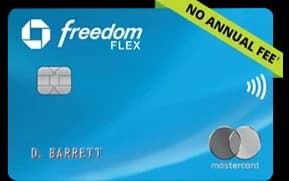
The Freedom Flex also carries a $0 annual fee and earns 5% on quarterly rotating categories you activate each quarter (historically grocery stores, gas, wholesale clubs, PayPal, Amazon, and more), plus 3% on dining and drugstores and 1.5% on everything else.
Who it is for
Maximizers willing to activate categories every three months and shift spending toward whatever earns 5% that quarter. Like the Freedom Unlimited, its rewards convert to Ultimate Rewards when paired with a Sapphire.
The verdict
The best no-fee card for people who enjoy optimizing. Pair the Flex (rotating 5%) and the Unlimited (1.5% flat) to cover both targeted and everyday spending.
Best premium / travel: Chase Sapphire Reserve
What you get
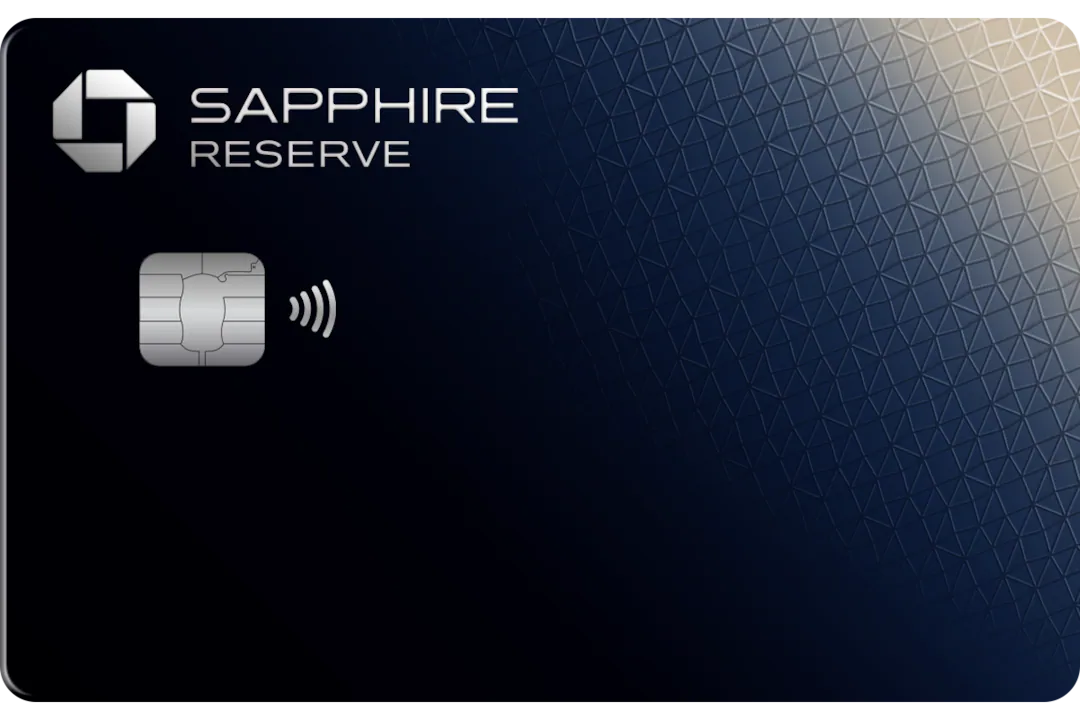
The Sapphire Reserve sits at roughly $795 per year. In exchange you get airport lounge access, a larger redemption boost than the Preferred, premium travel credits, and stronger travel insurance. It earns the highest rates on travel and dining in the consumer lineup.
Who it is for
Frequent travelers who will actually use lounges and travel credits. The math works when you can offset the fee with credits and value the lounge access — otherwise the Preferred delivers most of the transferable-points benefit at a fraction of the cost.
The verdict
Worth it for heavy travelers, overkill for everyone else. If you are unsure, start with the Preferred and upgrade later only if your travel volume justifies the $795.
Best for business: Chase Ink Business Preferred
What it earns
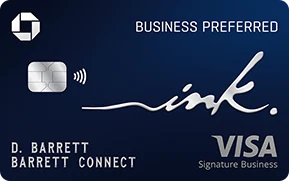
The Ink Preferred has a $95 annual fee and earns 3x Ultimate Rewards on core business categories — travel, shipping, advertising on social media and search engines, and internet, cable, and phone services — up to an annual cap, with no foreign transaction fee. Those points transfer to the same partners as your Sapphire — and since both cards share a $95 fee, the Ink Business Preferred vs Sapphire Preferred comparison is the clearest way to see which one deserves your annual fee if you can only justify one.
Who it is for
Small business owners, freelancers, and side-hustlers with real business spend. Because business cards do not add to your 5/24 count, an Ink card is a smart way to keep earning Ultimate Rewards after you have filled your consumer slots.
The verdict
The strongest business earner in the Chase lineup. If you have any legitimate business spending, the Ink Preferred belongs in your wallet alongside a Sapphire.
No-fee business alternatives
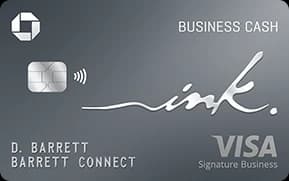
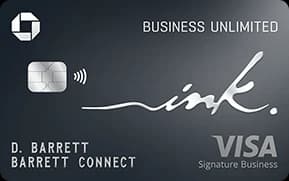
If your business spending is broad rather than concentrated in the Ink Preferred's bonus categories, the Ink Unlimited ($0 annual fee, 1.5% flat) and Ink Cash ($0 annual fee, 5% on office supplies and select utilities up to a cap) are no-fee ways to keep feeding your Ultimate Rewards balance. Both pair with a Sapphire to make their earnings transferable.
How to pick your first Chase card
| If you... | Start with |
|---|---|
| Travel a few times a year | Sapphire Preferred |
| Want zero fee and zero effort | Freedom Unlimited |
| Like optimizing categories | Freedom Flex |
| Travel heavily, want lounges | Sapphire Reserve |
| Run a business or side hustle | Ink Preferred |
Most people start with either a Sapphire or a no-fee Freedom. Whatever you choose, apply while you are under 5/24, since that is the gate for every consumer Chase card. A common winning order: open a Freedom first to start earning, then add the Sapphire Preferred to unlock transfers, then layer on an Ink card once business spend justifies it.
Best Chase business credit cards
If you have any business income — freelancing, consulting, gig work, online selling — Chase Ink business cards are the most valuable add-on to any Chase personal card stack. They earn transferable UR, don't count toward your 5/24 total, and each carries its own welcome bonus.
| Card | Best for | Annual fee |
|---|---|---|
| Ink Preferred | 3x on ads, shipping, travel, internet | $95 |
| Ink Cash | 5x on office supplies and telecom | $0 |
| Ink Unlimited | 1.5x flat on everything | $0 |
| Ink Premier | 2.5% cash back on $5K+ purchases | $195 |
See the full comparison: Best Business Credit Cards 2026 | Chase Ink Business Cards Guide
Bottom line
The Sapphire Preferred is the best Chase credit card in 2026 for most people — $95 buys transferable points, a 25% Chase Travel boost, and no foreign transaction fee. Build around it with a no-fee Freedom Unlimited or Freedom Flex for everyday earning, step up to the Sapphire Reserve only if you travel enough to use roughly $795 in value, and add the Ink Preferred if you have business spend. Apply under 5/24, keep everything pointed at one Ultimate Rewards balance, and you have the strongest points setup any single issuer offers.
Get weekly card offer alerts
Sunday digest of elevated bonuses. One email, zero spam.
Cards mentioned in this guide


Frequently asked questions
What is the best Chase credit card overall in 2026?
What is the Chase 5/24 rule and how does it affect applications?
Should I get the Chase Sapphire Preferred or the Sapphire Reserve?
What is the difference between the Chase Freedom Unlimited and Freedom Flex?
Which Chase card is best for a small business?
How do Chase Ultimate Rewards transfer partners work?
Related guides
Rewards Programs
Chase Ultimate Rewards: The Complete 2026 Program Guide
12 min
Rules & Mechanics
Chase 5/24 Rule Explained (2026): What Counts, What Doesn’t, How to Check
9 min
Strategy
Your First Year with Chase: A 12-Month Beginner Roadmap
11 min
Strategy
Chase Southwest Rapid Rewards Plus Review 2026
10 min
Related news

chase · Jun 2, 2026
Chase 20% Flying Blue Bonus May 2026: Retrospective

chase · Jun 2, 2026
Chase Ultimate Rewards 2026: Cash-Back + Points Boost

chase · Jun 10, 2026
Chase Hyatt Transfer Ratio 4:3: What It Means for Sapphire Preferred and Ink Business Preferred

chase · Jun 10, 2026
Chase to Virgin Atlantic: 30% Transfer Bonus — Book Delta Business Class for 18,000 Points
Cards in this ecosystem
Considering switching?