Chase Travel Insurance & Purchase Protection Guide 2026
Chase Sapphire and Ink cards include trip cancellation/interruption up to $10,000 per person, trip delay reimbursement (Reserve from 6+ hours, Preferred from 12+ hours, up to $500 per ticket), primary auto rental collision coverage, baggage protection, purchase protection for 120 days (up to $10,000/claim on Reserve and Ink, $500/claim on Preferred), and extended warranty — while cell-phone protection is now Ink Business Preferred only — Freedom Flex lost it on September 20, 2026. Coverage activates only when you pay for the travel or purchase with the card (taxes and fees suffice on award travel), and claims are filed with the benefits administrator, typically within 60 to 90 days.
On this page▾

Your flight gets canceled the night before a non-refundable trip, the rental counter pressures you into a $35/day collision waiver you do not need, and the new laptop you bought last month just cracked its screen. If you paid with the right Chase card, every one of those is reimbursable — and you almost certainly did not file the claim you were owed.
This is the operational 2026 reference for the travel insurance and purchase protections built into Sapphire Reserve, Sapphire Preferred, the Ink Business cards, and the cell-phone protection on Freedom Flex. If you're deciding which card to hold, the Chase Sapphire Reserve review and the Sapphire Preferred review compare the full benefit stacks side by side. It covers what each benefit pays, the exact limits and thresholds, the single payment rule that activates coverage, and the step-by-step claim process. Bookmark it — these benefits are worthless until you actually file.
Quick answer
To be covered, pay for the travel or purchase with the eligible Chase card — on award travel, charging just the taxes and fees to the card is enough. Coverage is automatic with no registration. File trip claims through the benefits administrator (Chubb for Sapphire) within 20 days of the event in most cases, and within 60 to 90 days for purchase and warranty claims. Sapphire Reserve has the stronger thresholds: trip delay kicks in at 6+ hours versus 12+ on Preferred, and both carry up to $10,000 per person in trip cancellation coverage.
TL;DR: Chase Sapphire Reserve, Sapphire Preferred, and Ink Business Preferred include trip cancellation/interruption (up to $10,000 per person), trip delay reimbursement (Reserve from 6+ hours, Preferred from 12+ hours, up to $500 per ticket), primary auto rental collision damage waiver, lost and delayed baggage coverage, purchase protection (120 days), and extended warranty. Cell-phone protection is now an Ink Business Preferred benefit only — Freedom Flex lost it on September 20, 2026. Coverage activates only when the eligible card pays for the travel or purchase (taxes and fees suffice on award travel). Claims are filed with the benefits administrator, typically within 60 to 90 days.
At a glance: protection -> coverage limit -> which card
| Protection | Coverage limit | Which card |
|---|---|---|
| Trip cancellation/interruption | Up to $10,000/person, $20,000/trip | Reserve, Preferred, Ink Business Preferred |
| Trip delay reimbursement | Up to $500/ticket | Reserve (6+ hrs), Preferred (12+ hrs) |
| Primary auto rental CDW | Up to $75,000 (Reserve), actual cash value (Preferred) | Reserve, Preferred, Ink cards |
| Lost/damaged baggage | Up to $3,000/passenger | Reserve, Preferred |
| Baggage delay | $100/day up to 5 days | Reserve, Preferred |
| Purchase protection | Up to $10,000/claim (Reserve, Ink Cash/Unlimited/Preferred), $500/claim (Sapphire Preferred, Freedom Flex) | Reserve, Ink, Sapphire Preferred, Freedom Flex |
| Extended warranty | Adds up to 1-2 extra years | Reserve, Preferred, Ink, Freedom Flex |
| Cell-phone protection | Up to $600/claim, 3 claims/year | Ink Business Preferred only — Freedom Flex lost this benefit on Sept. 20, 2026 |
The one rule that activates everything
There is a single mechanism behind every benefit on this page: the eligible Chase card must pay for the covered thing. Charge the flight to your debit card and the trip cancellation coverage does not exist. Pay the rental on a different card and the primary collision waiver does not apply.
The one exception travelers miss most: on award travel booked with points or miles, you only need to charge the taxes and fees to the eligible card. (If you're unsure whether to use the Chase Travel portal or transfer points to a partner, our guide on Chase Travel portal vs transfer partners walks through the decision.) A $5.60 TSA fee on an award ticket is enough to activate the trip delay and trip cancellation benefits for that ticket. For cell-phone protection, the trigger is paying your monthly phone bill with the card — the device does not have to be purchased on it.
This single rule has practical consequences worth internalizing. If you split a booking across two cards — flights on a Chase Sapphire card, the hotel on a cashback card — only the flights carry trip cancellation coverage. If a travel companion books their own ticket on their own debit card, they are not covered under your policy even if you travel together. And if you pay a deposit on the card but settle the balance in cash, coverage typically applies only to the portion charged to the card. The clean play is simple: route the entire non-refundable trip cost through one eligible Chase card and you never have to argue about which expenses qualify.
Trip cancellation and interruption
What it covers
Reimburses pre-paid, non-refundable travel expenses (flights, hotels, tours, cruises) when you must cancel or cut short a trip for a covered reason: covered illness or injury to you, a traveling companion, or an immediate family member; severe weather; jury duty; a change in military orders; and similar events outside your control. If it is the airline that cancels your flight, the sequence of what to claim differs — our flight cancellation playbook for credit card protection lays out the exact steps.
The limit
Up to $10,000 per person and $20,000 per trip on Sapphire Reserve, Sapphire Preferred, and Ink Business Preferred — see the Ink Business Preferred review for how its business travel protections compare to the personal Sapphire cards. This is the headline benefit and the most valuable for families booking expensive non-refundable itineraries.
What it does NOT cover
Cancellations for reasons within your control — you changed your mind, a pre-existing condition that flared up, work conflicts that are not a covered emergency, or financial default of a travel supplier. Read the covered-reasons list before you assume.
A useful detail: trip interruption is the sibling benefit that pays when a covered event forces you home mid-trip. If you fly out, spend two of seven pre-paid hotel nights, then have to return early for a covered family emergency, the unused five nights plus the cost of the one-way trip home can be reimbursed under the same per-person limit. Keep every booking confirmation and the documentation of the covered reason — a doctor's note, an obituary, a military order — because the administrator pays against proof, not against your description of events.
Trip delay reimbursement
What it covers
When a common carrier (airline, train, bus, cruise) delays you, this reimburses reasonable expenses: meals, lodging, toiletries, and necessary purchases while you wait.
The threshold — the key Reserve vs Preferred difference
- Sapphire Reserve: 6+ hours or any delay requiring an overnight stay.
- Sapphire Preferred and Ink Business Preferred: 12+ hours or an overnight stay.
Most US domestic delays run 3 to 7 hours, so the Reserve's 6-hour threshold pays out far more often than the Preferred's 12-hour bar. The limit is up to $500 per ticket. Buy the airport hotel, eat the steak dinner, keep the receipts. If you're earning points on these trips, the Chase Ultimate Rewards program guide covers how to redeem them for maximum value. If this gap is what's driving your card decision, the Sapphire Preferred vs Sapphire Reserve comparison weighs the delay-coverage upgrade against the Reserve's higher annual fee.
Primary auto rental collision damage waiver
What it covers
This is one of the most underused benefits in the Chase stack. It covers theft of and collision damage to a rental car — and it is primary, meaning it pays before (and instead of) your personal auto insurance. You never have to file with your own insurer, so there is no premium increase and no deductible.
How to be covered
Two steps, both required:
- Decline the rental company's collision damage waiver (CDW/LDW) at the counter.
- Charge the entire rental to the eligible Chase card.
The limits
Reserve covers rentals up to $75,000 in value; Preferred covers up to the actual cash value of most vehicles. Coverage is worldwide on both (with a short list of excluded countries) and excludes exotics, antiques, large vans, and pickup trucks. Rentals up to 31 consecutive days are covered.
Baggage: lost, damaged, and delayed
Lost or damaged baggage
Covers your bags and their contents against loss, damage, or theft for up to $3,000 per passenger ($500 per claim for jewelry, watches, and electronics) when the ticket was charged to the card.
Baggage delay
When checked bags are delayed more than 6 hours by the carrier, you are reimbursed $100 per day for up to 5 days for essential purchases — clothing, toiletries, a phone charger. This stacks with the airline's own delayed-baggage obligations.
Purchase protection
What it covers
New purchases charged to the card are covered against damage or theft for 120 days from the purchase date.
The limit
- Sapphire Reserve and the Ink Business cards (Cash, Unlimited, Preferred): up to $10,000 per claim, $50,000 per account per year.
- Sapphire Preferred and Freedom Flex: up to $500 per claim, $50,000 per year.
A cracked phone screen, a stolen laptop, a damaged appliance — if it was bought on the card within the last 120 days, file. This pairs with extended warranty for two layers of protection on the same item.
Extended warranty
What it covers
Extends the manufacturer's US warranty on eligible purchases. On warranties of 3 years or less, Chase adds an additional year of identical coverage. The benefit applies to Sapphire Reserve, Preferred, Ink, and Freedom Flex purchases.
This is the quiet benefit that pays for repairs after the factory warranty lapses — most valuable on electronics and appliances with 1-year manufacturer terms, which become 2 years of coverage.
Cell-phone protection (Ink Business Preferred only)
What it covers
Freedom Flex no longer has cell-phone protection. Chase discontinued it on September 20, 2026; only losses incurred on or before September 19, 2026 were ever covered, and the filing window on those has closed too. While it ran, the trigger was paying your monthly phone bill with the card — the device itself never had to be bought on it. If you were relying on this, Ink Preferred still carries cell-phone protection (up to $600 per claim, three claims per year), and several non-Chase cards do as well.
The limit
Up to $800 per claim, two claims and $1,000 per 12-month period, with a $50 deductible per claim. Lines listed on your paid monthly bill are covered. Ink Preferred carries a parallel cell-phone benefit for business lines, unaffected by the Freedom Flex sunset.
How to file a claim — step by step
- Identify the benefit administrator. For Sapphire travel and purchase benefits this is Chubb; cell-phone claims route through Chase's cell-phone administrator. Find the number on your benefits guide at chasebenefits.com or by calling the number on the back of the card.
- Note the filing deadline. Travel claims generally must be reported within 20 days of the event; purchase protection, extended warranty, and cell-phone claims allow 60 to 90 days. File early — late filing is the most common denial reason.
- Gather documentation. Card statement showing the charge, itemized receipts, the carrier's delay/cancellation notice or police report, repair estimates, and for cell-phone claims the monthly bill showing payment with the card.
- Submit online or by phone. Open the claim at eclaimsline.com (Chubb) or the cell-phone portal. Upload documents and get a claim number.
- Respond fast to requests. The administrator usually asks for one or two follow-up documents. Reply within their window — typically 60 to 90 days from claim open — or the claim closes.
- Track to payment. Approved travel and purchase claims pay by check or statement credit, usually within a few weeks of complete documentation.
Bottom line
The Chase Sapphire and Ink cards bundle a travel-insurance and purchase-protection package that rivals stand-alone policies — but only if you do two things: pay with the card (taxes and fees suffice on award travel) and actually file the claim within the deadline. Sapphire Reserve carries the stronger thresholds (6-hour trip delay, $10,000 trip cancellation, $75,000 rental coverage, $10,000 purchase protection), Preferred delivers the same core protections at a 12-hour delay bar with a lower $500 purchase-protection cap, Ink Business cards match Reserve's $10,000 purchase-protection limit, and cell-phone coverage now sits only on the Ink Business Preferred, after Freedom Flex lost it on September 20, 2026. For a broader look at how Chase compares to other issuers, see our best credit cards with travel insurance roundup and the Amex Platinum review for how that card's protections stack up. The benefits are free. The filing is on you.
Get weekly card offer alerts
Sunday digest of elevated bonuses. One email, zero spam.
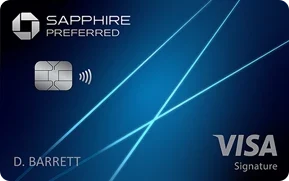
Cards mentioned in this guide

Frequently asked questions
Do I have to buy travel insurance separately, or is it built into my Chase card?
What is the difference between the Sapphire Reserve and Preferred trip delay coverage?
How do I make sure the primary rental car coverage applies?
Which Chase card still has cell-phone protection, and what does it pay?
How long do I have to file a claim, and who do I contact?
Does the coverage still apply if I booked my flight with points instead of cash?
Related guides
Rules & Mechanics
What Counts as "Travel" for Chase's $300 Credit and 3x Categories
10 min
Rules & Mechanics
Primary vs Secondary Rental Car Coverage: Which Cards Give You Primary
9 min
Rules & Mechanics
How Credit Card Welcome Bonuses Actually Work: Minimum Spend, Timing, Fine Print
10 min
Rules & Mechanics
Chase Travel Portal vs Transfer Partners (2026)
13 min
Related news

chase · Jun 10, 2026
Chase Hyatt Transfer Ratio 4:3: What It Means for Sapphire Preferred and Ink Business Preferred

chase · Jun 10, 2026
Chase to Virgin Atlantic: 30% Transfer Bonus — Book Delta Business Class for 18,000 Points

hyatt · Jun 3, 2026
Hyatt Added Perk for Globalists, Explorists and Cardholders

hyatt · Jun 2, 2026
Best Hyatt Sweet Spots After May 2026: 10 Survivors Ranked
Cards in this ecosystem




Considering switching?