Chase Sapphire Reserve Review 2026: Worth the $795 Annual Fee?
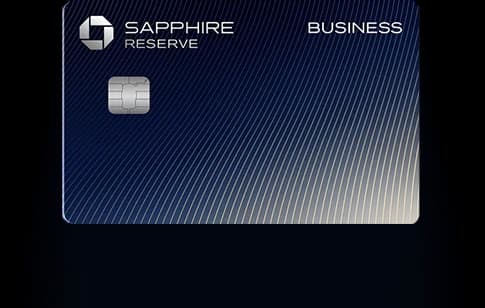
The Chase Sapphire Reserve is still one of the best premium travel cards in 2026, especially for frequent travelers who can maximize its benefits. It has a $795 annual fee offset by an automatic $300 annual travel credit, earns 3x points on dining and travel plus 10x on hotels and car rentals booked through Chase Travel, and includes Priority Pass lounge access and a Global Entry/TSA PreCheck credit. Points transfer 1:1 to partners like World of Hyatt and United; if you spend under about $15,000/year on travel and dining, the Chase Sapphire Preferred at $95/year may serve you better.
On this page▾

Topic Collection
Part of the Card Reviews Collection
Explore all 59 articles
Quick answer
The Chase Sapphire Reserve is still one of the best premium travel cards in 2026, especially for frequent travelers who can maximize the $300 travel credit and lounge access. After the $300 travel credit offsets the fee, your effective cost is $250/year — and the 3x on dining and travel, Priority Pass lounge access, and best-in-class transfer partners to Hyatt make it worth every penny for the right person. However, if you spend under $15,000/year on travel and dining, the Sapphire Preferred at $95/year might serve you better.
TL;DR: The Chase Sapphire Reserve (CSR) has a $795 annual fee in 2026, offers a $300 annual travel credit that automatically applies, earns 3x points on dining and travel, 10x on hotels and car rentals booked through Chase Travel, and 1x on everything else. Points are worth 1.5 cents each through Chase Travel or can be transferred 1:1 to partners including World of Hyatt, United Airlines, and Air France/KLM. The card includes Priority Pass Select lounge access, Global Entry/TSA PreCheck credit, trip delay insurance, and primary rental car coverage.
Top picks at a glance
| Card | Best for |
|---|---|
| Sapphire Reserve | Premium travel rewards, lounge access, best transfer partners |
| Sapphire Preferred | Budget-conscious travelers who want Chase ecosystem |
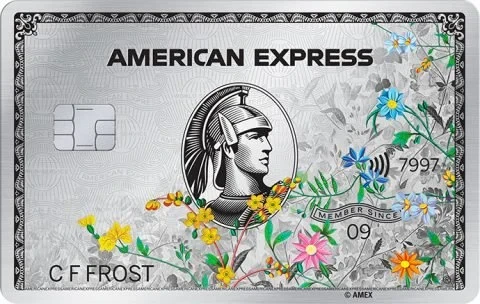
| Amex Platinum | Lounge access maximizers, Amex Centurion access |
| Venture X | Simple flat-rate travel rewards at lower annual fee |
| Ink Preferred | Small business owners in Chase ecosystem |
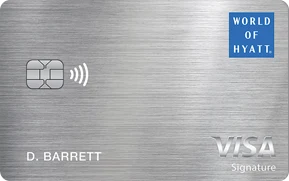
| World of Hyatt | Hyatt loyalists who want direct hotel points |
The real cost: Breaking down the $795 annual fee
The headline $795 annual fee sounds steep, but the math works out favorably for most active travelers. Here's how to think about the effective cost:
Step 1: The $300 travel credit. This credit applies automatically to virtually any travel purchase — airlines, hotels, Uber, tolls, parking, and even some gas stations. If you travel at all, you'll hit this within the first few months. Effective fee after credit: $250.
Step 2: Global Entry/TSA PreCheck credit ($100). Every 4.5 years, you get a $100 credit toward Global Entry (which includes TSA PreCheck) or $85 for TSA PreCheck alone. Annualized, that's roughly $22/year. Effective fee: ~$228.
Step 3: Priority Pass lounge access. Priority Pass Select gives you unlimited access to 1,300+ airport lounges worldwide, plus two guests. If you use lounges even 4-5 times per year (which is easy for frequent travelers), you're saving $50–$100+ in lounge day passes. The CSR also unlocks Chase's own Sapphire Lounge network, a growing set of premium lounges at major US airports. Effective fee: ~$150–$180.
Step 4: Trip protections. Primary rental car coverage alone can save you $15–$30 per rental day in CDW fees. Trip delay reimbursement, baggage delay, and trip cancellation insurance add additional value that's hard to quantify but real. Frequent travelers can easily derive $50–$100+ per year from these protections.
Bottom line on value: For someone who travels 3–4 times per year and dines out regularly, the effective net cost after credits and protections is often negative — meaning the card pays for itself before you even think about points. The question isn't whether the fee is high; it's whether your lifestyle allows you to capture these benefits.
Earning structure: Where the CSR shines (and where it falls short)
Where you earn big:
- 10x points on hotels and car rentals booked through Chase Travel portal
- 10x points on Lyft rides (through March 2025 — confirm current status)
- 3x points on all dining worldwide — restaurants, cafes, fast food, delivery apps
- 3x points on all travel — airlines, hotels, Uber, taxis, parking, tolls, transit
- 1x points on everything else
The catch with 10x: The Chase Travel portal gives 10x, but booking through the portal means you often don't earn airline or hotel loyalty points, and you may lose elite status benefits. The 10x math needs to beat the loyalty points you'd otherwise earn — for most people with Hyatt, Marriott, or United status, the direct booking wins.
The 3x categories are genuinely broad. Chase's definition of "travel" is one of the most generous in the industry. Uber rides, Lyft, parking garages, subway systems, ferries, cruise lines — they all code as travel and earn 3x. This matters more than the headline rate because it's where most spending occurs day-to-day.
Where the CSR underperforms: Grocery stores (1x), gas (1x), and general purchases (1x). If a large portion of your spending is in these categories, consider pairing the CSR with the Freedom Flex (5x rotating categories, often groceries) or Freedom Unlimited (1.5x on everything). Points from all three cards pool in the same Ultimate Rewards account — the backbone of the Chase trifecta strategy.
Redeeming points: The 1.5 cpp baseline and transfer partners
Chase Ultimate Rewards points have a baseline value of 1.5 cents per point when redeemed through the Chase Travel portal with the CSR (vs. 1.25 cpp with the Sapphire Preferred). For a full breakdown of every redemption option, see the Chase Ultimate Rewards program guide. This means 100,000 points = $1,500 in travel — a real, tangible value you can count on.
Transfer partners (1:1 ratio):
Airlines:
- United Airlines MileagePlus
- Air France/KLM Flying Blue
- British Airways Executive Club
- Iberia Plus
- Singapore Airlines KrisFlyer
- Air Canada Aeroplan
- Southwest Rapid Rewards
- Virgin Atlantic Flying Club
- Aer Lingus AerClub
- JetBlue TrueBlue
Hotels:
- World of Hyatt ⭐ (best value)
- IHG One Rewards
- Marriott Bonvoy
- Wyndham Rewards
The Hyatt transfer is the crown jewel. World of Hyatt offers some of the best redemption rates in all of travel rewards — read the full World of Hyatt program guide to see how far these points stretch. A Park Hyatt in a major city that costs $500–$800 per night can be booked for 25,000–35,000 Hyatt points. Transfer 25,000 Chase points → 25,000 Hyatt points → $500+ hotel night. That's 2+ cents per point — far better than the 1.5 cpp portal baseline.
Flying Blue sweet spots include intra-Europe flights starting at 7,500 miles each way and US-to-Europe routes that frequently go on sale (Promo Rewards). Singapore Airlines KrisFlyer offers outsized value for Cathay Pacific and Lufthansa first class redemptions. For a complete rundown of every partner and its best use cases, see the Chase Ultimate Rewards transfer partners guide.
Travel protections: The often-overlooked $500 value
The insurance benefits on the CSR are underrated and can save you significant money. Here's what you get when you pay for travel with the card:
Trip Delay Reimbursement: If your flight is delayed 6+ hours (or requires overnight stay), you're covered up to $500 per ticket for meals, lodging, and incidentals. This kicks in surprisingly often — even a 6-hour weather delay qualifies. For a family of four, that's $2,000 in potential reimbursement.
Trip Cancellation/Interruption: Up to $10,000 per person ($20,000 per trip) if your trip is cancelled or cut short due to covered reasons (illness, injury, severe weather, jury duty, etc.). This coverage competes favorably with standalone travel insurance policies that cost $100–$300 per trip.
Primary Rental Car Coverage: This is huge. When you pay with the CSR and decline the rental agency's CDW, you get primary coverage — meaning you don't need to file with your personal auto insurance first. Coverage is up to the actual cash value of the vehicle. At $15–$30/day, skipping CDW on a 7-day rental saves $105–$210.
Baggage Delay Insurance: Up to $100/day for 5 days if your baggage is delayed 6+ hours. Covers clothing and toiletries.
Emergency Evacuation and Transportation: Up to $100,000 for medical evacuation. This is the benefit many travelers overlook but can be the most valuable of all.
Important: All travel must be paid (at least partially) with the CSR to activate these protections. Pay your flights, hotels, and rentals with this card.
The 2025 refresh: What changed
Chase updated the Sapphire Reserve in late 2024/early 2025. Key changes:
What improved:
- The Chase Travel portal was rebuilt with better inventory and pricing. The 10x category on portal bookings became more genuinely competitive with third-party sites.
- DoorDash partnership expanded: $5/month DoorDash credit (DashPass membership included)
- Peloton and Instacart credits were replaced with more broadly useful benefits
What stayed the same:
- $300 travel credit structure
- Priority Pass Select (unlimited visits + 2 guests)
- 3x dining and travel earn rate
- Core transfer partner lineup
What to watch: Chase has been gradually adjusting the CSR's value proposition in response to competition from the Amex Platinum and Venture X. The card remains compelling, but the best value is for travelers who maximize transfer partners and travel credits — not those seeking lounge access alone.
CSR vs. CSP vs. Amex Platinum: Decision framework
Choose Chase Sapphire Reserve if:
- You spend $10,000+/year on dining and travel combined
- You travel internationally and want access to Hyatt, United, and Air France redemptions
- You value trip delay/cancellation insurance and primary rental car coverage
- You want reliable 1.5 cpp redemption as a floor value
- You're building a Chase trifecta (CSR + Freedom Flex + Freedom Unlimited)
Choose Sapphire Preferred instead if:
- You spend less than $10,000/year on travel and dining
- You want the Chase ecosystem at a lower cost ($95/year)
- You're newer to travel rewards and want a simpler card
- The $795 fee doesn't fit your budget
Choose Amex Platinum instead if:
- Centurion Lounge access is important to you (CSR only has Priority Pass)
- You prefer Amex's Membership Rewards partners (Delta, Marriott, Hilton)
- You fly Delta frequently or want Delta SkyClub access
- The $895 Amex Platinum fee is justified by your specific credits (Saks, Uber Cash, streaming, etc.) — compare the two premium cards head-to-head in our Amex Platinum vs Chase Sapphire Reserve guide
Choose Venture X instead if:
- You want a simpler, no-thinking travel card
- The $395 fee with $300 portal credit makes math easy
- You don't want to manage multiple cards or optimize transfer partners
- Capital One's lounge network (expanding in major airports) works for your routes
The Chase trifecta answer: Many travelers find the optimal setup is CSR + Freedom Flex + Freedom Unlimited. The Freedom cards earn in everyday categories (5x groceries, 3x dining, 1.5x everything) and their points transfer to the CSR's 1.5 cpp multiplier. This three-card setup often beats any single premium card.
Bottom line
The Chase Sapphire Reserve earns its $795 annual fee for travelers who take 3+ trips per year, dine out regularly, and want to leverage Hyatt and other transfer partners for outsized redemptions. The $300 travel credit, Priority Pass lounge access, and best-in-class travel protections bring the effective cost well under $200 for most active cardholders. If you're not maximizing the travel credit or transfer partners, the Sapphire Preferred at $95 is the smarter choice — our Sapphire Preferred vs Sapphire Reserve comparison runs the break-even math side by side. Before downgrading, read our guide on whether to keep or cancel the Chase Sapphire Reserve — or explore the downgrade path to the Sapphire Preferred if you want to stay in the ecosystem at a lower cost. But for the road warrior who wants premium benefits and the flexibility of Chase Ultimate Rewards, the CSR remains the gold standard in 2026.
Get weekly card offer alerts
Sunday digest of elevated bonuses. One email, zero spam.
Cards mentioned in this guide



Frequently asked questions
Is the Chase Sapphire Reserve worth it in 2026?
How does the $300 travel credit work on the CSR?
What transfer partners does Chase Sapphire Reserve have?
CSR vs Chase Sapphire Preferred: which should I get?
Does the CSR have primary rental car insurance?
How many Chase Ultimate Rewards points do I need to transfer to Hyatt for a free night?
What is the Chase Sapphire Reserve trip delay benefit?
Can I combine Chase Sapphire Reserve points with Freedom Flex or Freedom Unlimited?
Does the CSR include Global Entry or TSA PreCheck?
What changed with the Chase Sapphire Reserve in the 2025 refresh?
Related guides
Related news

industry · Jun 2, 2026
Travel Rewards Devaluations 2026: Every Major Loyalty Program Change This Year

chase · Jun 10, 2026
Chase Hyatt Transfer Ratio 4:3: What It Means for Sapphire Preferred and Ink Business Preferred

hyatt · Jun 3, 2026
Hyatt Added Perk for Globalists, Explorists and Cardholders

hyatt · Jun 2, 2026
Best Hyatt Sweet Spots After May 2026: 10 Survivors Ranked
Cards in this ecosystem



Considering switching?