How to Get Approved for a Business Credit Card in 2026 (Even Without Business Revenue)
You don’t need an LLC or revenue to qualify — a side hustle is enough. Here’s exactly how to apply and what to do if you’re denied.
On this page▾

Topic Collection
Part of the Business Credit Cards Collection
Explore all 37 articles
Quick answer
You do not need an LLC, an EIN, or even a single dollar of business revenue to qualify for a business credit card. Most major issuers — American Express, Chase, Capital One — approve sole proprietors using their legal name as the business name and their Social Security Number as the business tax ID. For a comparison of the top Amex options once approved, see our best Amex business credit cards guide. If you have any side income — freelancing, consulting, tutoring, selling on eBay, driving for Uber — you already have a "business" that qualifies. What matters most is your personal credit score and income.
TL;DR: Business credit card applications accept sole proprietors (no LLC required). Key approval factors: personal credit score (680+ for most cards, 720+ for premium), personal income (includes W-2 + business income), and time in business (0 months is acceptable for some cards). Application field guidance: business type = Sole Proprietor, business name = your legal name, EIN field = your SSN if no EIN, annual revenue = honest estimate of business income, years in business = when the income activity started. Chase Ink cards are subject to Chase 5/24 rule. If denied, a reconsideration call to the issuer's business card reconsideration line often reverses a denial.
Who qualifies for a business credit card
The definition of "business" for credit card purposes is broader than most people realize. You qualify if you have:
- Freelance or consulting income (web design, writing, photography, coaching, etc.)
- Gig economy income (Uber, Lyft, DoorDash, TaskRabbit, Instacart)
- Rental income (property, equipment, vehicles)
- Side sales income (eBay, Etsy, Amazon FBA, craft fairs)
- Tutoring or teaching income
- Independent contractor income (1099 work of any kind)
- Any other income you receive as a self-employed individual
You do not need to be profitable. You do not need a formal business structure. You do not need an existing business bank account. You just need a legitimate income-generating activity.
What banks actually look at when you apply
1. Personal credit score
Your personal FICO score is the primary filter. Here are approximate thresholds:
| Card | Minimum credit score (approx.) |
|---|---|
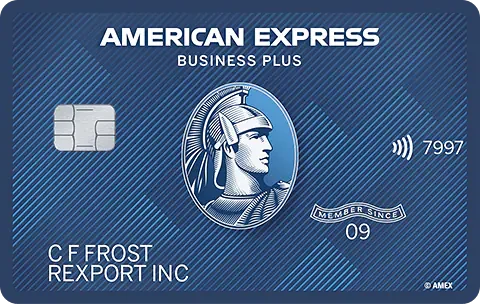
| Blue Business Plus | 670+ |
| Blue Business Cash | 670+ |
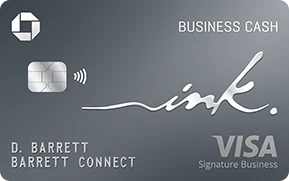
| Ink Cash | 680+ |
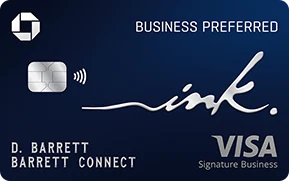
| Ink Preferred | 700+ |
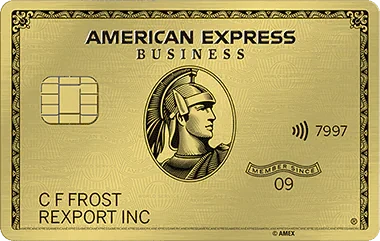
| Amex Business Gold | 700+ |
These are generalizations — approvals depend on the full picture of your credit profile, not a single number. But if your score is below 670, focus on improving it before applying for premium business cards.
2. Personal income
Most business cards require you to list your total annual income, which includes both W-2 income and business income. This is not just your business revenue — if you have a day job and a side business, you can list both. A good rule of thumb: list all income you could use to pay the card.
3. Time in business
Many applications ask "How long have you been in business?" You can truthfully answer the date you first started earning income from that activity — even if it was last month. Issuers do not require years of operating history. "0 months" or "less than 1 year" is acceptable on most applications.
4. Business revenue
Annual revenue is your honest estimate of what your business brings in. For a new freelancer or side hustler, this might be $5,000–$30,000. You do not need to project inflated numbers — a realistic estimate of current or expected annual income is appropriate.
How to fill out the application (sole proprietor edition)
| Field | What to put |
|---|---|
| Business name | Your legal name (first and last) |
| Business type / structure | Sole Proprietor |
| Business tax ID | Your Social Security Number (SSN) — or EIN if you have one |
| Years in business | Months or years since you started earning income from this activity |
| Annual business revenue | Honest estimate of your current annual business income |
| Number of employees | 0 or 1 (you) |
| Industry / business category | Choose the closest match to your activity |
If you have an LLC with an EIN, use those instead — but they are not required.
The Chase 5/24 rule for Chase Ink cards
If you are applying for a Chase Ink card (Ink Preferred or Ink Cash), you must be aware of the Chase 5/24 rule — our Chase 5/24 rule explainer details every nuance. Chase will almost always deny your application if you have opened 5 or more new credit cards (from any issuer) in the past 24 months.
Key points:
- Chase counts personal and business cards from other issuers
- Most Chase business cards DO count toward your 5/24 total (confirmed for most Ink products)
- There is no official way around 5/24 — the rule is strictly applied
If you are at 4/24 or below, apply for the Chase Ink card first, before other applications push you over the limit.
Common denial reasons — and what to do
| Denial reason | How to fix it |
|---|---|
| Too many recent inquiries | Wait 6 months before applying again |
| High credit utilization | Pay down revolving balances to under 30% before applying |
| Low credit score | Work on score for 3–6 months before reapplying |
| Insufficient income | Add all income sources; call reconsideration |
| Too new to credit | Build 12+ months of history first |
| Chase 5/24 rule | Wait until you drop below 5 new cards in 24 months |
The reconsideration call: your best tool after a denial
Many business card denials are reversible with a single phone call. After a denial, call the issuer's business card reconsideration line and speak to an analyst. Be prepared to:
- Explain your business clearly and confidently. "I'm a freelance graphic designer, I've been earning income for 2 years, here's my approximate annual revenue."
- Address the denial reason. If it was high utilization, mention you've already paid down balances.
- Ask directly: "What would it take to reconsider this application?"
Reconsideration calls succeed roughly 30–50% of the time for borderline cases. Always call before giving up on a denial. Once approved, our guide on whether business cards affect personal credit explains how the card will (and won't) appear on your credit reports.
Reconsideration phone numbers (2026)
- American Express: Call the number on the back of any existing Amex card and ask for business card reconsideration.
- Chase: 1-888-270-2127 (Chase business card reconsideration)
- Capital One: 1-800-625-7866
Should you apply for multiple cards at once?
Applying for multiple cards in a short window creates multiple hard inquiries and can temporarily lower your score. The general advice:
- Apply for the card you want most first
- Wait at least 90 days before your next business card application (6 months is safer)
- Exception: You can apply for Amex and Chase cards on the same day — they pull from different bureaus — and often both approvals go through. This is a known strategy among rewards enthusiasts. Amex also has its own application rules covered in our Amex application rules explainer.
Best starter business cards by profile
| Profile | Recommended card |
|---|---|
| Excellent credit (720+), wants points | Ink Preferred (full review) or Amex Business Gold |
| Good credit (680–720), no annual fee | Ink Cash |
| Good credit (680–720), simple rewards | Blue Business Plus |
| Building credit, no annual fee | Blue Business Cash |
Get weekly card offer alerts
Sunday digest of elevated bonuses. One email, zero spam.
Cards mentioned in this guide
Frequently asked questions
Can I apply for a business credit card without an LLC or EIN?
What is the Chase 5/24 rule and does it affect business card applications?
What should I put for annual revenue if my business is new?
Related guides
Card Roundups
Best Business Credit Cards for Points & Rewards 2026
14 min
Rules & Mechanics
Business Credit Cards for Sole Proprietors 2026
12 min
Rules & Mechanics
Can I Get a Business Credit Card? (Complete 2026 Guide)
10 min
Rules & Mechanics
EIN vs SSN for Business Credit Cards: What Do You Actually Need?
8 min
Related news

chase · Jun 2, 2026
Chase Ink Preferred 100K Returns: 2026 Ink Lineup

chase · Jun 10, 2026
Chase Hyatt Transfer Ratio 4:3: What It Means for Sapphire Preferred and Ink Business Preferred

chase · Jun 10, 2026
Chase to Virgin Atlantic: 30% Transfer Bonus — Book Delta Business Class for 18,000 Points

airlines · Jun 4, 2026
Alaska Atmos Members Day Launched