Premium Card Credits Compared: How Much of Each $395-$895 Fee You Really Recoup
Premium-card credits range from about $430 at face value on the Venture X to about $3,100 on the Amex Platinum, but only credits you would spend on anyway count. Realistically, the Venture X recoups its $395 outright, the Hilton Aspire and Sapphire Reserve recoup more than their $550 and $795 fees for their target travelers, the Amex Platinum returns $1,300-$1,700 of $895 to a frequent flyer and $230 to an occasional one, and the Delta Reserve and Marriott Brilliant depend on one item each — a companion certificate or a free night.
On this page▾

Topic Collection
Part of the Keep or Cancel Collection
Explore all 35 articles
Every premium card now sells itself with a number bigger than its fee — "over $3,000 in value" on the Amex Platinum, "$2,700+" on the Sapphire Reserve — and every one of those numbers is a sum of coupons, not a rebate. The honest question is not how much the credits add up to. It is how much of the fee comes back on spending you were going to do anyway. For most cardholders that figure is a third to a half of the headline, and for a few cards it is more than the fee.
Below: the full credit list for seven premium cards at face value, a realistic recoup for the traveler each is designed for, the three-tier test that separates cash-like credits from coupon-like ones, and the break-even each card actually needs.
Quick answer
At face value the credits on the seven big premium cards range from $430 on the Venture X to about $3,100 on the Amex Platinum. Realistically recouped by the traveler each card targets, the numbers are much closer to the fee: the Venture X returns roughly its whole $395 to anyone who books one trip through Capital One Travel; the Sapphire Reserve returns about $900-$1,200 of $795 to a frequent traveler; the Amex Platinum returns about $1,300-$1,700 of $895 to a frequent flyer who uses four or five credits; the co-brands return $600-$1,100 against $550-$650 fees to loyalists of their airline or chain. Count only credits you spent on last year without the card.
- Easiest fee to recoup: Venture X — $300 travel credit plus 10,000 anniversary miles against $395
- Highest realistic recoup in dollars: Amex Platinum — but only for someone who already spends on hotels through Amex Travel, an airline, Resy restaurants, streaming, and Uber
- Best coupon-to-cash ratio among co-brands: Hilton Aspire — $400 resort credit, $200 flight credit, CLEAR, and a free night against $550
- The trap: face-value totals that include Equinox, Oura, Lululemon, Saks, and Walmart+ for people who do not shop there
💡 Pro tip — Pull last year's statements and highlight every merchant that appears on the card's credit list. Add up only those. That is your recoup; everything else on the marketing page is a coupon for a store you do not visit.
The three tiers of credit
Not every credit is worth its face value, and the difference is predictable:
| Tier | What it is | Worth at face value? | Examples |
|---|---|---|---|
| Cash-like | Spending you do every year regardless, reimbursed by the card | Yes | Airline fee credits used on checked bags; a hotel credit used on a stay you had planned; Global Entry; CLEAR if you already pay for it |
| Coupon-like | Spending you sometimes do, at a specific merchant, in a specific window | Partly — 50-75% | Monthly Uber Cash, Resy quarterly credits, DoorDash monthly, dining credits at a partner list, Delta Stays |
| Aspirational | Merchants you do not use, or benefits you would not buy | No — count as zero | Equinox, Oura, Lululemon, Saks, Walmart+, Peloton-style memberships, "digital entertainment" bundles you do not subscribe to |
The rule of thumb: cash-like credits count in full, coupon-like credits count at half unless you already use the merchant monthly, aspirational credits count at zero. The rest of this guide applies that rule to each card.
The seven cards, credit by credit
Amex Platinum — $895
| Credit | Face value | Tier | Realistic for a frequent flyer |
|---|---|---|---|
| Hotel credit (prepaid Fine Hotels + Resorts or Hotel Collection) | $600 ($300 per half) | Cash-like if you stay at luxury hotels | $300-$600 |
| Airline fee credit | $200 | Cash-like | $200 |
| Resy dining | $400 ($100 per quarter) | Coupon-like | $200 |
| Digital entertainment | $300 ($25 per month) | Coupon-like | $150-$300 |
| Uber Cash | $200 | Coupon-like | $150 |
| Uber One | $120 | Aspirational unless you order weekly | $0-$120 |
| CLEAR Plus | $219 | Cash-like if you already pay | $0-$219 |
| Global Entry / TSA PreCheck | $120 every 4 years | Cash-like | $30 |
| Walmart+ | $155 | Aspirational | $0 |
| Saks | $100 ($50 per half) | Coupon-like | $50 |
| Lululemon | $300 ($75 per quarter) | Aspirational | $0 |
| Equinox | $300 | Aspirational | $0 |
| Oura | $200 | Aspirational | $0 |
| Total | about $3,100 | about $1,300-$1,700 |
Plus lounges, which are not a credit but which a six-flight-a-year traveler reasonably values at $300-$500. The Platinum's realistic recoup clears $895 for that traveler; for a two-flight-a-year cardholder it does not, which is the subject of do premium cards make sense if you travel twice a year.
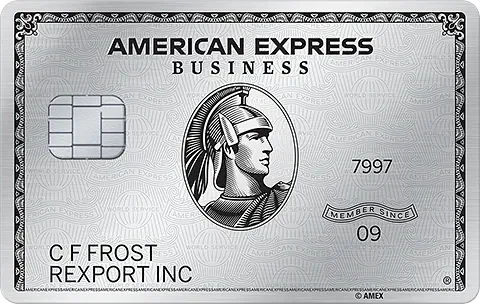
Amex Business Platinum — $895
Shares the hotel, airline, CLEAR, and Global Entry credits ($1,049 face). Business-only: Dell $150 plus $1,000 after $5,000 of Dell spending, Adobe $250, Indeed $360, wireless $120, ChatGPT Business $300, Hilton $200 — about $1,380 face without the Dell $1,000. Realistic for a small business that pays a wireless bill, subscribes to Adobe, and stays at Hilton for work: roughly $1,200-$1,700, and $2,200-plus in a year with a Dell hardware refresh. Amex Platinum vs Business Platinum prices the two stacks side by side.
Sapphire Reserve — $795
| Credit | Face value | Tier | Realistic for a frequent traveler |
|---|---|---|---|
| Annual travel credit | $300 | Cash-like — applies to almost any travel purchase | $300 |
| The Edit hotel credit | $500 ($250 per half) | Cash-like if you stay at Edit properties | $250-$500 |
| Dining credit | $300 ($150 per half) | Coupon-like — partner restaurants | $150 |
| Apple TV+ and Apple Music | about $250 | Coupon-like — only if you subscribe | $0-$250 |
| DoorDash and DashPass | $300 ($25 per month) | Coupon-like | $100-$200 |
| Lyft | $120 ($10 per month) | Coupon-like | $60 |
| Global Entry / TSA PreCheck | $120 every 4 years | Cash-like | $30 |
| Total | about $1,800 | about $900-$1,200 |
Plus Priority Pass, Sapphire Lounges with two free guests, IHG Platinum status, and the strongest travel insurance in the group. The $300 travel credit is the most cash-like credit on any card in this guide — it applies to airfare, hotels, transit, and parking without a portal or a partner list.
Venture X — $395
| Credit | Face value | Tier | Realistic |
|---|---|---|---|
| Capital One Travel credit | $300 | Cash-like if you book one trip through the portal | $300 |
| Anniversary miles | 10,000 (about $100) | Cash-like | $100 |
| Global Entry / TSA PreCheck | $120 every 4 years | Cash-like | $30 |
| Total | about $430 | about $400-$430 |
The Venture X is the only card here whose credits routinely exceed its fee for an ordinary traveler, which is why it survives in wallets that dropped the other premiums. The February 2026 guest-fee changes ($45 per guest at Capital One Lounges, $35 at Priority Pass lounges, $125 a year for authorized users) trimmed the lounge value without touching the credits.
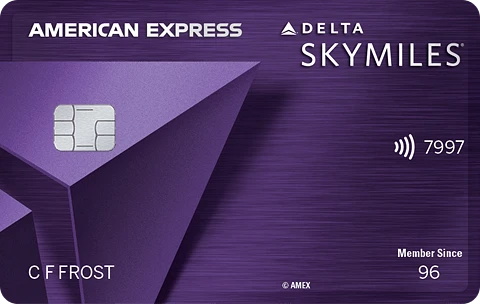
Delta Reserve — $650
| Credit | Face value | Tier | Realistic for a Delta flyer |
|---|---|---|---|
| Delta Stays | $200 | Coupon-like — hotels through Delta's portal | $100-$200 |
| Resy dining | $240 ($20 per month) | Coupon-like | $120 |
| Rideshare | $120 ($10 per month) | Coupon-like | $60-$120 |
| Companion certificate | Varies; a domestic round trip in Main, Comfort, or First | Cash-like if you fly with someone | $300-$500 |
| Global Entry / TSA PreCheck | $120 every 4 years | Cash-like | $30 |
| Total | about $890-$1,090 | about $700-$900 |
Plus 15 Sky Club visits a year, Centurion access on Delta days, free bags, and $2,500 of MQD headstart. The Reserve recoups its fee only for someone who flies Delta enough to use the companion certificate and the Sky Clubs; for everyone else it is an expensive coupon book.
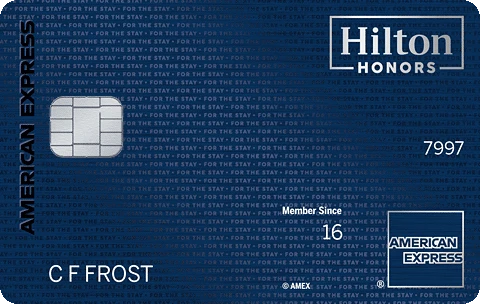
Hilton Aspire — $550
| Credit | Face value | Tier | Realistic for a Hilton resort guest |
|---|---|---|---|
| Hilton resort credit | $400 ($200 per half) | Cash-like at participating resorts | $200-$400 |
| Flight credit | $200 ($50 per quarter) | Cash-like | $200 |
| CLEAR Plus | $219 | Cash-like if you already pay | $0-$219 |
| Free night reward | One night, up to a standard room at most properties | Cash-like | $300-$500 |
| Total | about $1,120-$1,320 | about $800-$1,100 |
Plus Diamond status. The Aspire has the best credit-to-fee ratio of the co-brands because its two biggest credits are spent on things a Hilton traveler already buys; who should get the Hilton Aspire covers the resort-credit fine print.
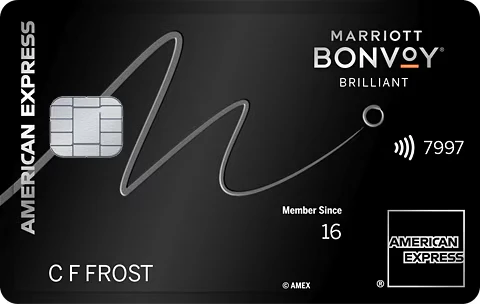
Bonvoy Brilliant — $650
| Credit | Face value | Tier | Realistic for a Marriott loyalist |
|---|---|---|---|
| Dining credit | $300 ($25 per month) | Coupon-like — restaurants broadly | $200-$300 |
| Free night award | Up to 85,000 points | Cash-like | $400-$500 |
| Global Entry / TSA PreCheck | $120 every 4 years | Cash-like | $30 |
| Total | about $730-$830 | about $600-$750 |
Plus Platinum Elite status and 25 elite night credits. The Brilliant is the simplest case in the group: the free night is most of the value, and the card pays off only if you would spend a night at an 85,000-point property.
Key takeaway: the Venture X and the Hilton Aspire recoup their fees on credits alone for their target travelers; the Sapphire Reserve and Amex Platinum need the lounges and earn rates to close the gap; the Delta Reserve and Brilliant depend on one big item — a companion certificate or a free night.
The comparison in one table
| Card | Fee | Credits at face value | Realistic recoup | Realistic net fee | Then justify with |
|---|---|---|---|---|---|
| Venture X | $395 | about $430 | $400-$430 | about $0 | 2x on everything; lounges |
| Hilton Aspire | $550 | about $1,120-$1,320 | $800-$1,100 | negative | Diamond status |
| Sapphire Reserve | $795 | about $1,800 | $900-$1,200 | negative for frequent travelers | 8x portal, 4x direct, insurance, Sapphire Lounges |
| Amex Platinum | $895 | about $3,100 | $1,300-$1,700 | negative for frequent flyers | Centurion, 5x flights, FHR |
| Amex Business Platinum | $895 | about $2,400 (+$1,000 Dell) | $1,200-$1,700 | negative for businesses | 35% Pay with Points rebate, 2x on $5,000+ |
| Bonvoy Brilliant | $650 | about $730-$830 | $600-$750 | about $0 | Platinum Elite, 25 elite nights |
| Delta Reserve | $650 | about $890-$1,090 | $700-$900 | negative for Delta flyers | Sky Club, MQD headstart |
"Negative net fee" means the credits alone exceed the fee for the card's target traveler — before points, lounges, or insurance. For a traveler outside that profile, most of these flip positive, and annual fee break-even math shows how to compute your own number.
Real use case: the same Platinum, two cardholders
Two people hold the Amex Platinum for a year.
- Cardholder A flies eight times, prepays two Fine Hotels + Resorts stays through Amex Travel, checks bags on one airline, eats at Resy restaurants monthly, subscribes to two eligible streaming services, and uses Uber weekly. Recoup: hotel $600, airline $200, Resy $400, digital $300, Uber $200, Global Entry $30 — $1,730, plus 5x on $6,000 of flights and roughly 16 lounge visits. Net fee: strongly negative. The card is correct.
- Cardholder B flies twice, stays at a Hyatt on points, does not use Resy or Uber, and subscribes to nothing on the digital list. Recoup: airline $200, Global Entry $30 — $230, plus four lounge visits. Net fee: $665 for lounges and a welcome offer. After year one, the card is wrong, and the keep-or-cancel guide says so.
Same card, same $895, a $1,500 difference in what it is worth — entirely from which merchants were already on each person's statements.
Decision framework
| If your credits are mostly... | Do this |
|---|---|
| Cash-like (airline fees, a hotel stay you had planned, Global Entry) | Count them in full; the card is close to paying for itself before points |
| Coupon-like (Uber, Resy, DoorDash, Delta Stays) | Count half unless you use the merchant monthly; keep the card only if the total with lounges and earn rates clears the fee |
| Aspirational (Equinox, Oura, Lululemon, Saks, Walmart+) | Count zero; if these are what the card's page leads with, the card is not for you |
| One big item (companion certificate, free night) | Keep the card only in years you will use that item; downgrade in years you will not |
Common mistakes
- Adding up the marketing total. $3,100 on the Platinum includes $1,175 of Equinox, Oura, Lululemon, Saks, and Walmart+ that most people never touch.
- Counting a credit you had to change behavior to use. A $300 credit that made you book through a portal you would not otherwise use is not $300.
- Ignoring the half-year and monthly windows. Uber Cash unused in March is gone; the hotel credit's first half expires June 30. Unused windows are the most common leak.
- Forgetting enrollment. Most Amex credits and several Chase credits require one-time enrollment. Unenrolled is $0.
- Valuing lounges at the day-pass price. Value them at what you would actually pay per visit, which for most people is $20-$30, not $50.
- Keeping a card for a free night you will not use. The Brilliant and the Aspire are only worth their fee in years the free night is redeemed.
Editor's take
We built this table because the premium-card market has become a contest of headline numbers, and the headline numbers are increasingly made of merchants — Equinox, Oura, Lululemon — that most cardholders would never enter without the coupon. Our reading: the Venture X and the Hilton Aspire are the honest ones, because their biggest credits are for travel their holders already buy; the Sapphire Reserve is close behind because its $300 credit works almost everywhere; the Amex Platinum is the best card in the group for the right person and the worst for the wrong one, with the gap between them running to $1,500 a year. Score your own statements before you score the cards.
Related reading
- Annual fee break-even math — the formula behind the net-fee column
- How to maximize Amex Platinum credits — the calendar for the Platinum's stack
- Venture X vs Sapphire Reserve vs Amex Platinum — the three-way comparison this table feeds
- Should you keep or cancel the Chase Sapphire Reserve — the Reserve's recoup in detail
- Should you keep or cancel Capital One Venture X — the easiest fee to recoup
- How to maximize Hilton Amex credits — the Aspire's resort and flight credits
Get weekly card offer alerts
Sunday digest of elevated bonuses. One email, zero spam.
Cards mentioned in this guide



Frequently asked questions
Which premium credit card has the credits that are easiest to use?
How much of the Amex Platinum's $3,000 in credits do people actually use?
Do the Chase Sapphire Reserve credits cover its $795 fee?
Should I count a credit if I have to change where I shop to use it?
Are the co-brand premium cards worth their fees?
Related guides
Strategy
Annual Fee Break-Even Math: The One Formula for Any Card (With Worked Numbers)
10 min
Strategy
Do Premium Cards Make Sense If You Only Travel Twice a Year? (Venture X, Reserve, Platinum)
10 min
Strategy
How to Maximize Every Amex Platinum Credit in 2026 (and Cut the $895 Fee)
14 min
Strategy
Venture X vs Chase Sapphire Reserve vs Amex Platinum: Which Premium Card Earns Its Fee in 2026?
13 min
Related news

amex · Jun 2, 2026
Amex Platinum at $895: One Year Post-Refresh Verdict

industry · Jun 2, 2026
Travel Rewards Devaluations 2026: Every Major Loyalty Program Change This Year

industry · Jun 2, 2026
Biggest Credit Card Changes 2026: Mid-Year Retrospective

airlines · Jun 2, 2026
Aeroplan 2026: SQC Status and June 1 Devaluation
Cards in this ecosystem

Considering switching?