Quick summary
When American Express bumped the US Consumer Platinum to $895 on September 18, 2025, the loudest takes predicted a mass exodus.
Five months into renewal cycles — the first wave hit on January 2, 2026 — the data tells a quieter, weirder story. People aren't fleeing. They're hoarding statement credits like squirrels and asking, mid-November, "wait, did I use my Oura credit?"
The Amex Platinum didn't get worse. It got more. Whether "more" is "better" depends entirely on how much of your life you're willing to outsource to Amex's preferred vendors.
What happened
The fee hike
On September 18, 2025, Amex announced the largest refresh in Platinum history: annual fee jumped from $695 to $895, a 29% hike.
New cardholders paid immediately. Existing cardholders renewing on or after January 2, 2026 got the new fee and the new credit stack — which is the cohort we now have six months of behavioral data on.
The new credit stack
The refreshed credits, on paper, total north of $3,500 if you maximize every drop:
- $600 Fine Hotels + Resorts credit (up from $200 prepaid, now usable on any FHR stay)
- $400 Resy credit ($200 semi-annual)
- $300 Digital Entertainment (Disney+, Hulu, NYT, Peacock, ESPN+, etc.)
- $300 lululemon credit ($75/quarter)
- $200 Oura Ring credit (annual, one-time hardware reimbursement style)
- Legacy: $200 airline incidental, $200 Uber Cash, $200 hotel (prepaid), $189 CLEAR, $100 Saks, $155 Walmart+, $240 entertainment legacy carve-outs
The lounge tightening on the horizon
Separately, Centurion Lounge access tightens further effective July 8, 2026, per Amex cardholder communication reproduced by AFAR: a 5-hour pre-departure access cap and a same-flight guest requirement.
Note
📌 Note — Amex has not posted these rule changes on a public newsroom URL as of this writing. The changes are documented from cardholder notification reproduced across multiple major outlets.
The credit-stack math
| Credit | Amount | Ease of use |
|---|---|---|
| FHR | $600 (annual, stackable) | Medium — requires real stays |
| Resy | $400 ($200 semi-annual) | High if you dine out |
| Digital Entertainment | $300 | High (Disney+, Hulu, NYT, etc.) |
| lululemon | $300 ($75/quarter) | Medium — easy if you wear it |
| Oura Ring | $200 (one-time) | Low — only if you want the ring |
| Uber Cash | $200 | High ($15/mo + $35 December) |
| Airline incidental | $200 | Medium |
| Hotel (prepaid) | $200 | Medium |
| CLEAR | $189 | High if you fly |
| Walmart+ | $155 | Medium |
| Saks | $100 | Low |
Why it matters
The $895 number isn't just a price tag — it's a thesis. Amex is openly betting that the premium travel card is now a lifestyle subscription bundle, not a travel rewards product.
Compare credits to direct spend: lululemon, Oura, Resy, Disney+. The actual airline-and-lounge stuff is a smaller share of the value prop than it was in 2018.
That matters because the competitive field has reorganized around the same thesis.
| Card | Annual fee | Philosophy |
|---|---|---|
| Amex Platinum | $895 | Lifestyle subscription bundle |
| Chase Sapphire Reserve | $795 | Coupon book (Apple, Lyft, DoorDash, StubHub) |
| Capital One Venture X | $395 | Simple $300 travel credit + 10,000 anniversary miles |
Three philosophies, three price points, one underlying question: how many small monthly redemption tasks are you willing to do for a card?
Who wins
- Hotel-forward travelers. The expanded $600 FHR credit, now stackable across multiple FHR stays per calendar year, is the single best change. Two two-night FHR stays at $300 prepaid each fully cover the credit.
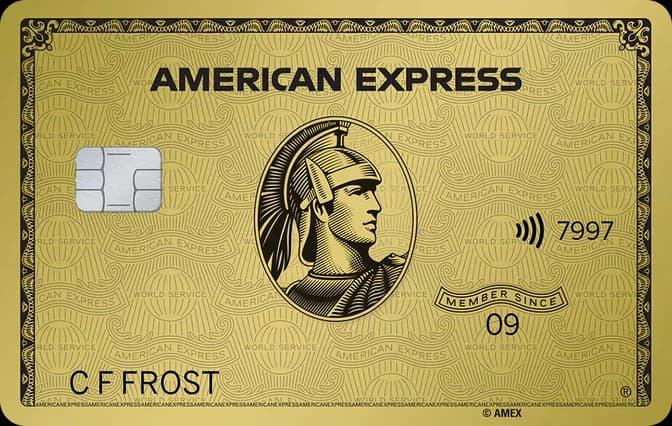
- Households running two Amex cards. Pairing Amex Platinum with Amex Gold (see our Amex Trifecta 2026 guide) lets you absorb the Resy and dining credits naturally instead of forcing them.
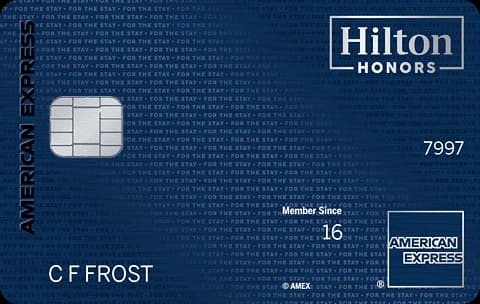
- Hilton loyalists who also hold Hilton Aspire. The FHR expansion plus Aspire's resort credit doubles your hotel statement credit stack to ~$1,000/year before redemption skill.
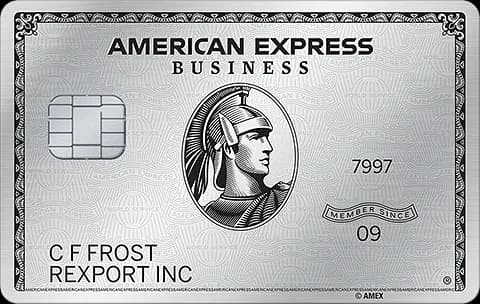
- Small-business owners holding the Amex Business Platinum alongside personal. The Dell, Adobe, and wireless credits remain untouched on the biz side and pair cleanly with the consumer refresh.
Who loses
- Solo road warriors who only fly. If your Platinum value came from lounge access plus airline incidental credit, the $200 fee bump landed on you and the Centurion entry tightening didn't help. CSR's Sapphire Lounge Network is now a real alternative.
- Cardholders who don't shop at lululemon, don't use Oura, and stream nothing. That's roughly $800 in nominal credits you can't actually spend. The card collapses to ~$1,200 in usable value — fine, but no longer obvious.
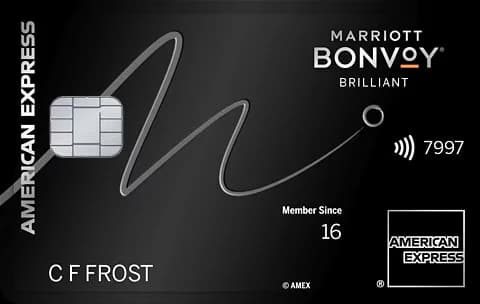
- Status-chasers who don't earn Marriott or Hilton stays organically. The Bonvoy Brilliant still beats Platinum for Marriott-first travelers at a fraction of the fee.
- Anyone hoping to PC down without losing welcome offer eligibility. Amex's once-per-lifetime rule means downgrading to Gold then re-upgrading later forfeits future Platinum welcome bonuses.
Warning
⚠️ Lounge access warning — the July 8, 2026 Centurion tightening (5-hour cap, same-flight guest) hits solo road warriors hardest. If lounge access is your Platinum thesis, audit your travel pattern before the change lands.
What should you do now
- Run the annual audit. Open our annual fee calculator, enter every credit honestly (only ones you'd spend anyway), and see your net. If net positive vs. $895, renew. If negative by >$150, downgrade or close.
- Don't downgrade impulsively. If you'll ever want Platinum welcome offer points again, hold. Use our best next card tool to see whether a product change to Amex Gold or Amex Green actually serves your spend.
- If you're net-negative, compare head-to-head. Read Venture X vs. CSR vs. Amex Platinum before you decide. The right premium card in 2026 depends almost entirely on whether you'd actually use FHR, Sapphire Lounges, or neither.
- Stack with Aspire. Hilton-loyal travelers should price out adding Hilton Aspire before dropping Platinum — the combined hotel credit stack is the strongest premium-travel hand on the market.
- Stop forcing credits. Lululemon socks you didn't need aren't "free." If you're buying things to use credits, the card is costing you cash, not saving you any.
Warning
⚠️ Cardinal rule — stop forcing credits. If you're buying things to use credits, the card is costing you cash.