Shopping Portals and Card Offers: How to Get Paid Three Times on One Purchase
Check your card-linked offers and add any that apply before you buy — that layer cannot be added retroactively. Then click through a shopping portal to the retailer, and pay with the card that earns most in that category. Portals do not stack with each other: only one click-through counts per transaction.
On this page▾

Quick Answer
One online purchase can pay you three separate times: through a shopping portal (for the route you took), through a card-linked offer (added to the card before you buy), and through the card's own earning rate. Almost everyone collects the third one only. The order matters, and one of the three cannot be fixed after checkout.
Nothing here requires a new card, a new account, or spending a dollar more than you were going to. It requires doing the same purchase in a different order.
Layer one: the shopping portal
A shopping portal is a page your bank, airline or a third party runs that links out to retailers. You click through it, land on the same store, pay the same price — and the portal pays you extra.
The mechanism is plain: the retailer pays the portal a referral commission for sending you, and the portal hands you part of it. You are being paid for the route, not the purchase.
Two things to know about how it tracks:
- It is a cookie on that click. Start at the portal, finish the purchase in that session, and do not wander off to a coupon site in between — that can reassign the credit.
- It is slow. Portal rewards typically post 30 to 90 days after the order confirms. Nothing has gone wrong at day 20.
And the constraint people get wrong: you can only click through one portal per transaction. Your bank's portal and another bank's portal do not stack with each other. A third-party portal can stack with card-linked offers and with your card's own earning, but not with a second portal.
Layer two: the card-linked offer
This is the tab in your banking app almost nobody opens — Chase Offers, Amex Offers and their equivalents.
They are merchant deals tied to your specific card. No coupon code, no receipt to send, nothing to claim. You add the offer to the card, pay with that card, and the credit appears on a later statement.
And here is the only irreversible step in the whole exercise:
The offer has to be on the card before you buy.
Add it afterwards and it does nothing at all. There is no retroactive version, no support line that can apply it later. Ten seconds before checkout; worthless ten seconds after.
Which is why the order of these layers is not a stylistic preference.
Layer three: the card
This is the part the internet argues about endlessly and the part that usually matters least on any individual purchase.
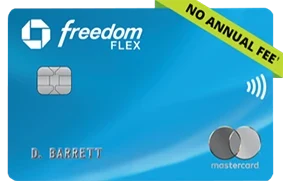
Use whichever card actually earns most in that category. In the last quarter of 2026 that is worth checking, because Chase Freedom cards are paying 5% on groceries and dining on the first $1,500 of combined spending — and that rate does nothing at all until you press activate. Activation for the quarter is open until 14 December 2026.
The order
- Check the card-linked offers first, before you have decided anything. This is the layer with a deadline.
- Go to a shopping portal and click through to the retailer from there.
- Pay with the card that earns the most in that category.
- Do not clear cookies or open a coupon extension between the click and the checkout.
That is it. Same cart, same day, same price.
What stacks and what does not
| Combination | Stacks? |
|---|---|
| Portal + card-linked offer + card earning | yes |
| Third-party portal + card-linked offer | yes |
| Two different shopping portals | no — one click-through per transaction |
| Card-linked offer added after purchase | no — nothing applies |
When it is not worth it
Be honest about the size of the prize. On a $40 order, three layers may come to a couple of dollars and a few minutes. On a holiday season of several hundred dollars of spending you were doing anyway, the same habit is worth real money.
The rule of thumb: build the habit on the purchases that are already large, and do not reorganise a small one around it.
The one failure mode
The common way to lose all of this is not ignorance — it is sequence. Someone finds the deal, buys immediately, and then goes looking for the offers tab.
The portal can sometimes be argued about after the fact. The card-linked offer cannot. Check that tab first, every time, and the rest of the order follows naturally.
Get weekly card offer alerts
Sunday digest of elevated bonuses. One email, zero spam.
Cards mentioned in this guide

Frequently asked questions
Can I add a card offer after I have already bought?
Can I use two shopping portals on the same order?
My portal rewards have not appeared. Is something wrong?
Related guides
Related news

chase · Jun 9, 2026
Chase Disney Inspire Visa Launch: $99 AF, $400 Welcome — Is It Worth a 5/24 Slot?

chase · Jun 2, 2026
Chase 20% Flying Blue Bonus May 2026: Retrospective

chase · Jun 2, 2026
Chase Sapphire Reserve 150K Welcome Offer 2026
chase · Jun 2, 2026
Chase Ultimate Rewards 2026: Cash-Back + Points Boost