Credit Card Cell Phone Protection: How It Works and How to Claim
Pay your monthly phone bill with a card that offers cell phone protection and the phone is covered against damage and theft — typically up to $800 per claim with a $25 deductible, capped at $1,000 a year. The coverage follows the card that pays the bill, not the card you bought the phone with, and it generally applies only to bills paid after you switch.
On this page▾
Quick Answer
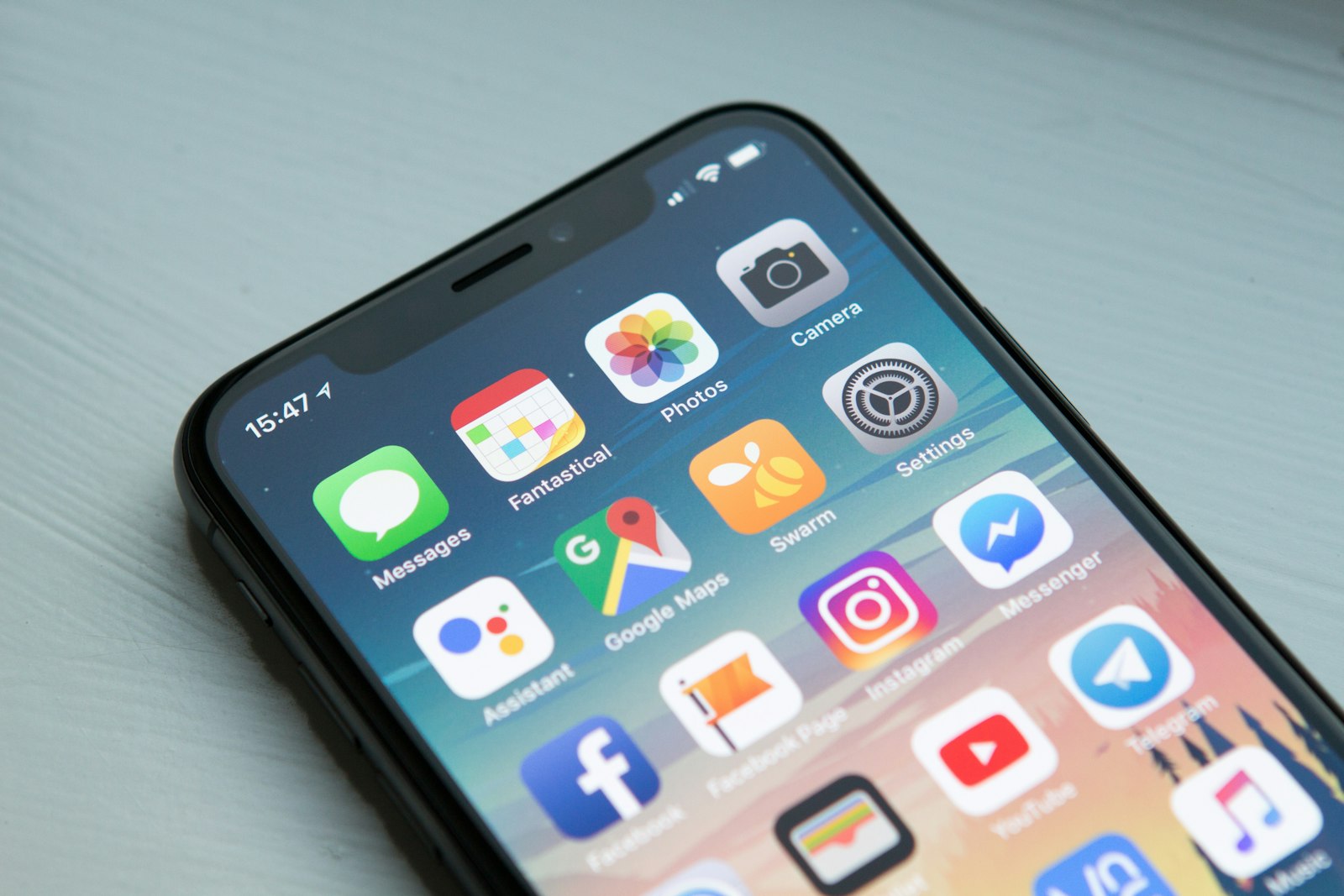
If you pay your monthly phone bill with the right credit card, that card covers your phone against damage and theft — typically up to $800 per claim with a $25 deductible, capped at $1,000 a year. The coverage is not attached to the phone or to the card you bought the phone with. It attaches to the card that pays the bill.
Most people who have this benefit don't know they have it, and most people who know about it have it switched off without realising — because the monthly bill goes out of a checking account on autopay.
That is the whole mechanic. Not the purchase. Not the carrier. The bill.
How the coverage switches on
There is one condition and it is unforgiving: the monthly wireless bill has to be charged to the card.
- Pay the bill from your checking account → no coverage, no matter which cards you hold.
- Pay the bill on Card A, break the phone → Card A's benefit applies.
- Pay on Card A, but you bought the phone a year ago on Card B → still Card A. The purchase is irrelevant.
- Switch the autopay this month → coverage generally applies to bills paid after the switch, not retroactively.
That last point is why this is worth doing today rather than the day something happens. The benefit is a function of your last billing cycle, and you cannot backdate it.
What it pays, card by card
Figures below reflect what each issuer publishes. Terms change — check your own benefits guide before you rely on a number.
| Card | Per claim | Deductible | Annual cap / limit |
|---|---|---|---|
| Chase Freedom Unlimited | $800 | $25 | $1,000/yr |
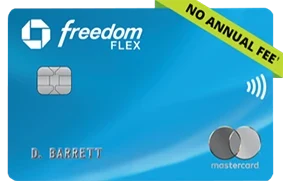
| Chase Freedom Flex | $800 | $25 | $1,000/yr |
| Bilt Mastercard (retired — closed to new applicants) | $800 | $25 | — |
| Capital One Venture X | $800 | applies | max 2 claims/yr |
| Wells Fargo Autograph | $600 | $25 | max 2 claims/yr |
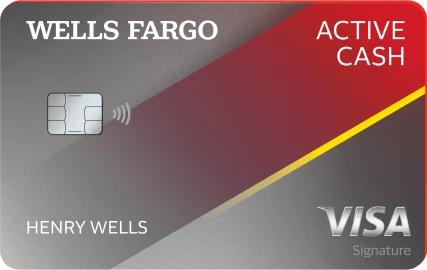
| Wells Fargo Active Cash | $600 | $25 | max 2 claims/yr |
| Chase Ink Business Preferred | $1,000 | $100 | up to 3 phones |
| Chase Ink Business Cash | $1,000 | $100 | up to 3 phones |
| Chase Ink Business Unlimited | $1,000 | $100 | up to 3 phones |
| Capital One Spark Cash Plus | $800 | $100 | employee phones |
Two patterns are worth noticing.
The consumer cards have the lower deductible. A $25 deductible on an $800 claim is a very different product from a $100 one, and the no-annual-fee Chase and Wells Fargo cards are the ones that carry it.
The business cards cover more lines. The Ink family covers up to three phones on the bill — employee lines included — which matters if you run a family plan or a small team through one account.
What it costs to have the carrier do it instead
| Carrier protection plan | Card benefit | |
|---|---|---|
| Monthly cost | roughly $9 per line | $0 — included |
| Annual cost | about $108 per line | $0 |
| Deductible | commonly $99–$249 | $25 on most consumer cards |
| Requires | enrolling and paying | paying the bill with the card |
Carrier device protection ran about $8.99 at AT&T, $10 at T-Mobile and $4.95–$7.95 at Verizon at the time of writing, with deductibles reported as high as $249 for a lost handset.
On two lines that is roughly $216 a year for something a card in your wallet may already do — with a deductible an order of magnitude smaller.
One honest caveat: carrier plans usually cover loss, and most card benefits do not. Card coverage is typically damage and theft. If you are the person who leaves phones in taxis, that difference may be worth paying for. If you are not, you are paying $108 a year for a duplicate.
The order to file a claim in
Claims get denied on paperwork, not on merit. Do these in order.
- Check the bill first. Confirm the wireless bill for the month before the incident was charged to the card. If it was not, there is no claim.
- Report theft to the police. Theft claims almost always require a report. File it promptly.
- Photograph the damage. The device, the screen, the serial or IMEI if you can get it.
- Get the carrier bill showing the card payment. This is the document that proves eligibility.
- Get a repair estimate or replacement invoice. An itemised document, not a screenshot of a price.
- File with the benefit administrator, not the bank. The number is in your card's benefits guide; the bank's main line usually cannot open a claim.
- File inside the window. Administrators impose a deadline from the incident date, and it is short. Do not wait for the repair.
Common reasons a claim fails
- The bill was paid from a checking account, not the card.
- The relevant bill was paid after the incident rather than before it.
- The phone was lost rather than damaged or stolen.
- No police report for a theft claim.
- Filed after the administrator's deadline.
- The line was not on the bill the card paid — common when a family plan is split across payers.
What to do this week
- Open your wireless account and look at the payment method.
- If it is a bank account, and you hold one of the cards above, move the autopay to that card.
- Check what that card actually pays — the per-claim figure and the deductible.
- Then cancel the carrier add-on, if you have one and you do not need loss coverage.
A ten-minute change that converts a bill you were already paying into insurance you were already entitled to.
Get weekly card offer alerts
Sunday digest of elevated bonuses. One email, zero spam.
Cards mentioned in this guide



Frequently asked questions
Does the phone have to be bought with the card?
Is a lost phone covered?
I switched the autopay today — am I covered now?
Related guides
Card Roundups
Best Credit Cards With Travel Insurance in 2026
12 min
Card Roundups
Best Credit Cards for Purchase Protection in 2026
8 min
Rules & Mechanics
Primary vs Secondary Rental Car Coverage: Which Cards Give You Primary
9 min
Card Roundups
Best Credit Cards for Amazon 2026: Prime Visa, No-Prime Options, and the Prime Big Deal Days Play
10 min
Related news

chase · Jun 9, 2026
Chase Disney Inspire Visa Launch: $99 AF, $400 Welcome — Is It Worth a 5/24 Slot?

industry · Jun 2, 2026
Biggest Credit Card Changes 2026: Mid-Year Retrospective

chase · Jun 2, 2026
Chase 20% Flying Blue Bonus May 2026: Retrospective
chase · Jun 2, 2026
Chase Ultimate Rewards 2026: Cash-Back + Points Boost