Best Credit Cards for Amazon 2026: Prime Visa, No-Prime Options, and the Prime Big Deal Days Play
With Prime, the Prime Visa is the best card for Amazon in 2026: 5% at Amazon.com, Amazon Fresh, Whole Foods, and Audible with no annual card fee. Without Prime, the Amazon Visa and the Blue Cash Everyday both pay 3%. No rotating 5% card covers Amazon in Q4 2026, a flat 2% card is the floor, and Shop with Points pays under a cent per point.
On this page▾
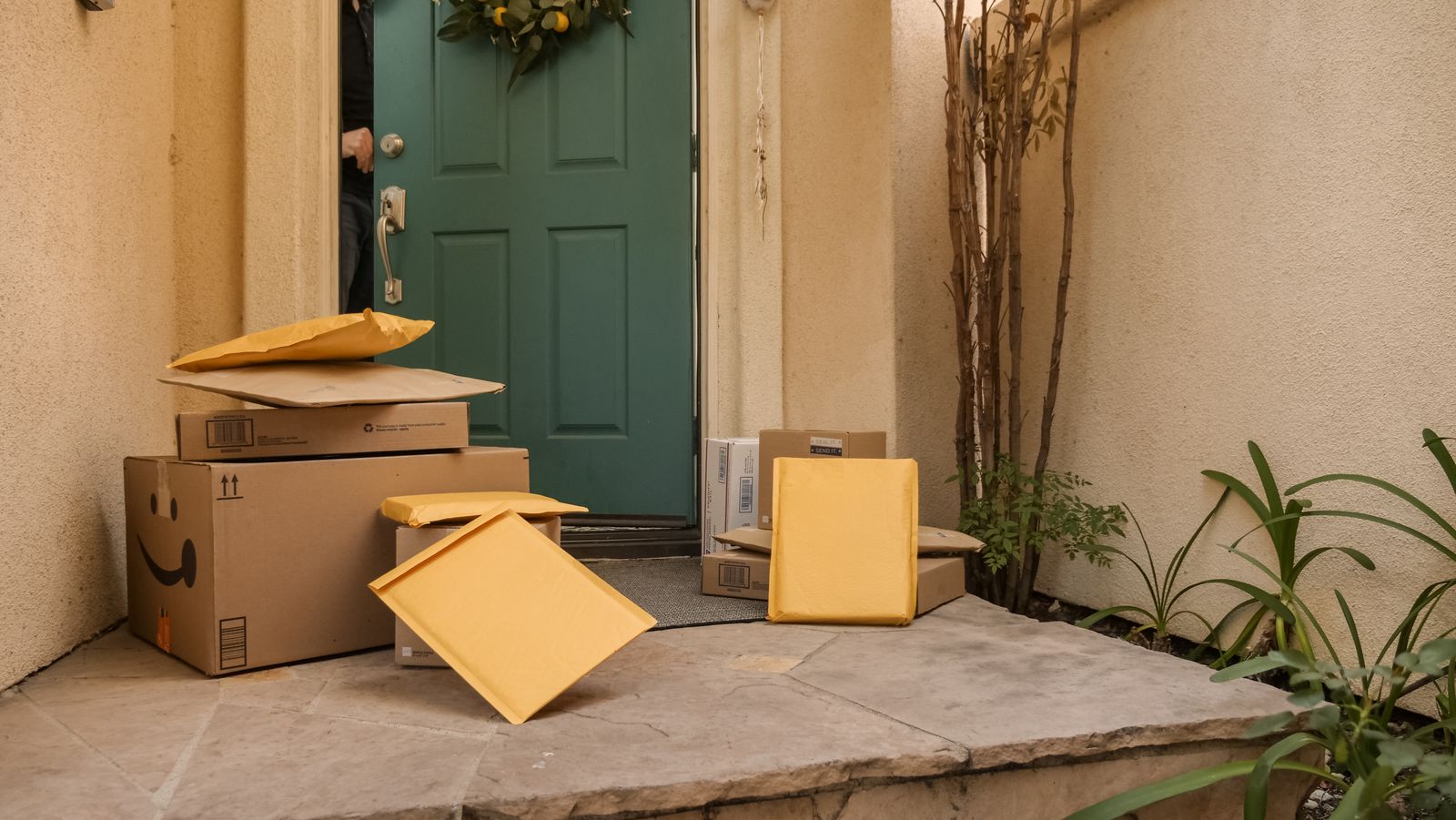
Amazon's October Prime event — Prime Big Deal Days, which ran October 7-8 in 2025 and returns in the same early-October window in 2026 — is the one week of the year when the card you use at Amazon is worth checking before you check out. The Amazon Prime Visa pays 5% at Amazon.com, Whole Foods, and Audible for Prime members with no annual fee of its own. Everything else is a step down: 3% on the no-Prime Amazon Visa or the Blue Cash Everyday, 2% on a flat-rate card, and a rotating 5% only in the quarters that happen to include Amazon — which the fourth quarter of 2026 does not.
Below: the full ranking, the Prime-fee break-even, what to do if you refuse to pay for Prime, the two Amazon "tricks" that cost people more than they save, and a decision table by annual Amazon spend.
Quick answer
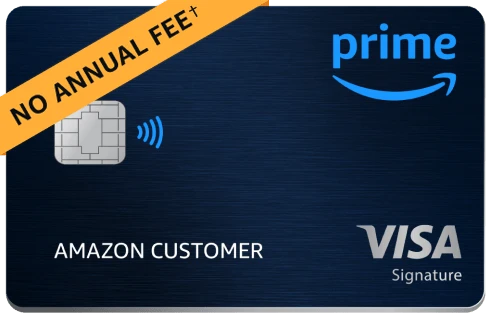
If you have Prime and spend more than about $1,500 a year at Amazon, the Prime Visa is the answer: 5% back at Amazon.com, Amazon Fresh, Whole Foods, and Audible, 5% on Chase Travel, 2% at restaurants, gas stations, and on local transit, 1% elsewhere, no annual card fee, no foreign transaction fees. Without Prime, the no-fee Amazon Visa pays 3% at Amazon and Whole Foods, and the Blue Cash Everyday pays 3% on U.S. online retail — including Amazon — plus 3% at U.S. supermarkets and gas stations. A flat 2% card is the floor. Never redeem transferable points at Amazon through Shop with Points; it pays under a cent per point.
- Best with Prime: Amazon Prime Visa — 5% at Amazon and Whole Foods, no card fee
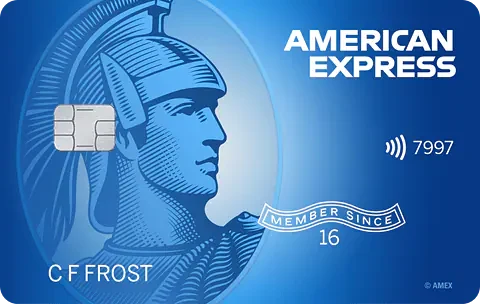
- Best without Prime: Blue Cash Everyday — 3% on online retail, groceries, and gas, no fee; or the 3% Amazon Visa
- Best flat rate for everything else in the cart: Double Cash or Active Cash at 2%
- Rotating 5% this quarter: not Amazon — Discover's Q4 2026 categories are restaurants, entertainment, and utilities, and Chase Freedom Flex ran Amazon in Q2 2026
- Avoid: Shop with Points at Amazon (0.7-0.8 cents per point) and gift-card routing that your issuer can exclude
💡 Pro tip — On a $1,200 Prime Big Deal Days order, the gap between 5% and 2% is $36. The gap between a card with extended warranty and one without is the full repair bill on the laptop in that order. Rank the protections before the rewards on big-ticket electronics.
The ranking
| Rank | Card | Amazon rate | Also earns | Annual fee | Best for |
|---|---|---|---|---|---|
| 1 | Amazon Prime Visa | 5% at Amazon.com, Amazon Fresh, Whole Foods, Audible (Prime required); 5% on Chase Travel | 2% restaurants, gas, local transit; 1% other | $0 (Prime membership separate) | Anyone with Prime who spends $1,500+ a year at Amazon |
| 2 | Amazon Visa (no Prime) | 3% at Amazon, Amazon Fresh, Whole Foods, Chase Travel | 2% restaurants, gas, local transit; 1% other | $0 | Amazon shoppers who will not pay for Prime |
| 3 | Blue Cash Everyday | 3% on U.S. online retail purchases (up to $6,000 a year) | 3% U.S. supermarkets and gas (each up to $6,000 a year); 1% other | $0 | Non-Prime households that also want groceries and gas covered |
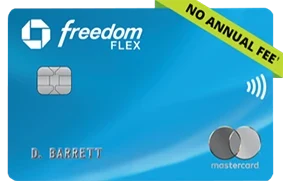
| 4 | Freedom Flex | 5% only in quarters that include Amazon (Q2 2026 did; Q4 2026 was unannounced as of mid-September), up to $1,500 a quarter | 5% Chase Travel; 3% dining and drugstores; 1% other | $0 | Chase users who activate every quarter and pair with Sapphire |
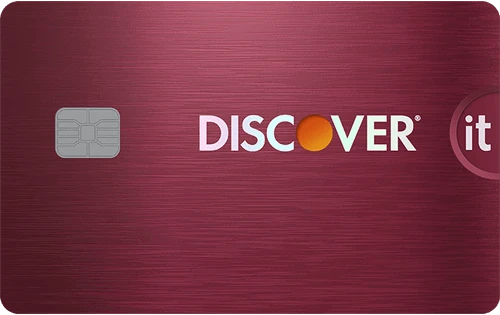
| 5 | Discover it Cash Back | 5% in Amazon quarters only — not Q4 2026 (restaurants, entertainment, utilities) | 1% other; first-year Cashback Match | $0 | First-year holders whose match doubles whatever they earn |
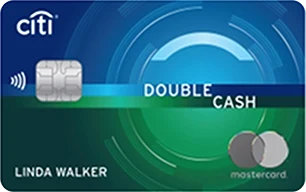
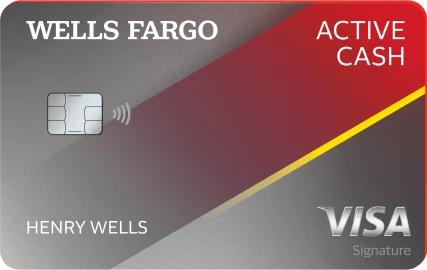
| 6 | Double Cash / Active Cash | 2% on everything | 2% everywhere | $0 | The rest of the cart, and anyone who wants one card for all of it |
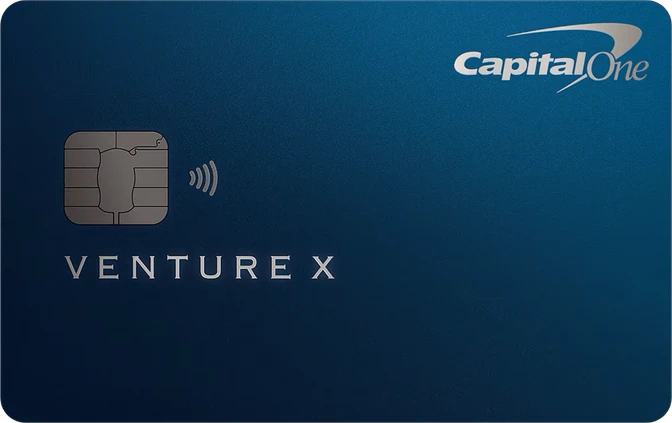
| 7 | Venture X | 2x miles on everything | 5x flights and 10x hotels through Capital One Travel | $395 | Travelers who would rather earn transferable miles at 2x than cash at 2% |
| 8 | Freedom Unlimited | 1.5x on everything | 5% Chase Travel; 3% dining and drugstores | $0 | Pairing with a Sapphire for transfers; weaker than a 2% card at Amazon |
Two cards belong on this list without a link on our site: the Amazon Store Card (Synchrony) pays 5% for Prime members and offers financing on large orders but works only at Amazon, and the Amazon Business Prime American Express Card gives businesses a choice of 5% back or 90-day payment terms on U.S. Amazon purchases. Sellers and small businesses should read best credit cards for Amazon FBA sellers for that lineup.
Key takeaway: Amazon is a two-tier problem — 5% with Prime, 3% without — and everything below that is either a rotating category that is not active this quarter or a flat 2% fallback.
The Prime fee break-even
The Prime Visa's 5% comes with a catch: it requires an eligible Prime membership, which is $139 a year. If you would hold Prime anyway, the card is free money. If you are buying Prime for the card, run the numbers.
| Annual Amazon + Whole Foods spend | Prime Visa (5%) | Amazon Visa, no Prime (3%) | Blue Cash Everyday (3%) | Flat 2% card |
|---|---|---|---|---|
| $1,000 | $50 | $30 | $30 | $20 |
| $2,500 | $125 | $75 | $75 | $50 |
| $5,000 | $250 | $150 | $150 | $100 |
| $10,000 | $500 | $300 | $300 | $200 |
The extra 2 points over the 3% options are worth $20 per $1,000 spent, so the Prime Visa "pays for" a $139 Prime membership at roughly $7,000 a year of Amazon and Whole Foods spending — if the card is the only reason you hold Prime. Almost nobody is in that position; most Prime members would keep the membership for shipping and video regardless, in which case the break-even is zero and the 5% is simply the best rate available.
If you refuse to pay for Prime
Three honest options, in order:
- Blue Cash Everyday — 3% on U.S. online retail purchases up to $6,000 a year, which covers Amazon along with every other online store, plus 3% at U.S. supermarkets and gas stations on separate $6,000 caps. For a household with $4,000 of Amazon, $5,000 of groceries, and $2,000 of gas, that is $330 a year with no fee. The Blue Cash Everyday review covers the fine print, and Blue Cash Preferred vs Blue Cash Everyday explains why the Preferred, despite its 6% grocery rate, has no online-retail category and is the wrong card for Amazon.
- The no-Prime Amazon Visa — 3% at Amazon, Amazon Fresh, Whole Foods, and Chase Travel, 2% at restaurants, gas, and transit, no fee. The same 3% as the Blue Cash Everyday on Amazon, without the online-retail breadth but with Whole Foods included.
- A flat 2% card — Double Cash or Active Cash. One percentage point less on Amazon, but it wins on the 60-80% of most people's spending that no category card touches. See best cash back credit cards for the full field.
The rotating 5% cards: right idea, wrong quarter
The Freedom Flex and Discover it Cash Back pay 5% on up to $1,500 of quarterly spending in categories that change every three months, and Amazon has been a regular guest — Freedom Flex ran Amazon and Whole Foods in Q2 2026, and Discover had Amazon in several past fourth quarters. Not this one: Discover's Q4 2026 categories are restaurants, entertainment, and utilities, and Chase had not announced Q4 2026 as of mid-September, after a 2025 fourth quarter of Chase Travel, department stores, Old Navy, and PayPal. The Freedom Flex 5% calendar guide tracks each quarter as Chase announces it.
The practical rule: keep a rotating card for the quarters when Amazon appears and use it for Prime Day in July if it does, but do not plan a Prime Big Deal Days order around a 5% category that is not on the calendar.
Two Amazon tricks that cost more than they save
Shop with Points. Amazon lets you pay with Chase Ultimate Rewards, Amex Membership Rewards, Citi ThankYou, and several airline currencies at checkout. The rates are the worst redemption in the hobby: roughly 0.8 cents per Ultimate Rewards point and 0.7 cents per Membership Rewards point, against 1 cent in the card's travel portal and 2 cents or more through a transfer partner. A $500 order paid with 71,000 Membership Rewards is a $500 order that could have been a $1,400 business-class award. Pay with the card, earn the 5%, and keep the points.
Gift-card routing. Buying Amazon gift cards at a supermarket to earn 4x on an Amex Gold or 6% on a Blue Cash Preferred is popular advice with two problems. Issuers can and do exclude gift-card purchases from bonus categories or from welcome-offer spending, and Amex in particular reserves the right to claw back points on purchases it deems not to be genuine spending. It sometimes works; it is not a plan. The Amex Offers strategy guide covers the legitimate version — targeted Amex Offers for Amazon that appear a few times a year.
What matters more than the rate on Prime Big Deal Days
The event is where people buy laptops, TVs, appliances, and phones, and on a $900 purchase the reward difference between cards is $9-$27. The protection difference is the whole purchase:
- Extended warranty — the Amazon Prime Visa adds a year to manufacturer warranties of three years or less; so do most Chase and Amex cards. A Discover it or a Wells Fargo Active Cash may not. Best credit cards for extended warranty ranks them.
- Purchase protection — the Prime Visa covers new purchases against damage or theft for 120 days, up to $500 per claim. Premium cards go higher; best credit cards for purchase protection has the limits.
- Return protection — rarer, and worth checking on the card you hold before you buy something Amazon will not take back.
On a $1,200 laptop, put it on the card whose extended warranty you would actually file, even if that card earns 2% and the Prime Visa earns 5%; the $36 you give up is the price of the second year of coverage.
Real use case: a Prime household's October order
A family with Prime spends $4,200 a year at Amazon and Whole Foods, and their Prime Big Deal Days cart is $1,350: a $780 laptop, $320 of kitchen appliances, and $250 of household staples.
- On the Amazon Prime Visa: 5% on all of it is $67.50, and the laptop gets the card's 120-day purchase protection and an extra year of warranty. Across the year the card returns $210 on their Amazon spend.
- On a 2% card: $27 on the order, $84 for the year. The $126 annual gap is real but modest; the warranty on the laptop is the bigger reason to prefer the Prime Visa here.
- Paying the order with 190,000 Membership Rewards through Shop with Points: the same $1,350 order, and 190,000 points gone that would have covered a round-trip business-class award to Europe at 2 cents each. Do not.
- If they did not have Prime: the Blue Cash Everyday at 3% returns $40.50 on the order and $126 on the year, and covers their groceries and gas at 3% as well — the better all-round card for a non-Prime household by a wide margin.
Decision framework
| Your situation | Card for Amazon | Why |
|---|---|---|
| Prime member, $1,500+ a year at Amazon | Amazon Prime Visa | 5% with no card fee is unbeatable on the merchant; keep a 2% card for the rest |
| Prime member, under $1,500 a year | Whatever you already hold at 2%; add the Prime Visa only if you also shop Whole Foods | The 5% on $1,000 is $50, which does not justify another account for most people |
| No Prime, household shopper | Blue Cash Everyday | 3% on Amazon, groceries, and gas from one no-fee card |
| No Prime, Amazon only | Amazon Visa (no Prime) | 3% at Amazon and Whole Foods, 2% dining and gas, no fee |
| Points collector who wants transferable currency | Venture X at 2x, or a 2% card and a separate travel card | Amazon has no bonus category in any transferable-points ecosystem |
| Buying a $500+ electronic on Prime Big Deal Days | The card with the best extended warranty you hold | Protection outweighs a 2-3 point rate gap on one purchase |
| Small business or seller | Amazon Business Prime Amex; see the FBA guide | 5% or 90-day terms on business purchases |
Common mistakes
- Paying for Prime to get the 5%. Below about $7,000 a year of Amazon spending, the extra 2 points do not cover a $139 membership you would not otherwise buy.
- Assuming your rotating card has Amazon this quarter. Q4 2026 on Discover is restaurants, entertainment, and utilities. Check the calendar, not your memory of last year.
- Using Shop with Points. Under a cent per point, every time, for every currency.
- Putting a $900 laptop on the highest-rate card with the weakest protections. The 3-point gap is $27; the warranty is the laptop.
- Expecting Blue Cash Preferred to earn at Amazon. Its 6% is groceries and streaming; there is no online-retail category. The Everyday has it, the Preferred does not.
- Forgetting the $6,000 cap on the Blue Cash Everyday's online-retail category. Heavy Amazon households cross it by autumn and drop to 1% — a second card for the overflow is worth setting up before the October event.
Editor's take
Amazon is one of the few merchants where the "best card" question has a boring answer, and we are fine with that: the Prime Visa's 5% is the highest sustained rate any major retailer co-brand pays, it costs nothing beyond a membership most of its holders already have, and the cards that beat it do so for one quarter at a time. What we would push people to spend more thought on is the protection side. Prime Big Deal Days is a big-ticket event, and the difference between a card that extends the laptop's warranty and one that does not is worth more than every reward point in the order. Pick the Prime Visa for the staples and the household spend; pick the card with the best extended warranty you hold for the one expensive thing in the cart.
Related reading
- Best credit cards for online shopping — the wider online-retail ranking
- Chase Freedom Flex 5% calendar — which quarters include Amazon
- Blue Cash Everyday review — the no-Prime 3% option in full
- Best credit cards for extended warranty — the protection ranking for big-ticket orders
- Best credit cards for purchase protection — damage and theft coverage by card
- Best credit cards for Amazon FBA sellers — the business-side lineup
Get weekly card offer alerts
Sunday digest of elevated bonuses. One email, zero spam.
Cards mentioned in this guide
Frequently asked questions
What is the best credit card for Amazon purchases in 2026?
Is the Prime Visa worth it if I have to pay for Prime?
Does Discover or Chase Freedom Flex have Amazon as a 5% category in Q4 2026?
Should I use Amazon Shop with Points to pay with credit card points?
Which card should I use for a laptop or TV on Prime Big Deal Days?
Related guides
Card Roundups
Best Credit Cards for Online Shopping in 2026
6 min
Strategy
Chase Freedom Flex 5% Calendar: How to Maximize Every Quarter in 2026
13 min
Card Roundups
Amex Blue Cash Everyday Review 2026: No-Fee 3% Cash Back
12 min
Card Roundups
Amex Blue Cash Preferred vs Blue Cash Everyday 2026: Which Wins?
13 min
Related news

chase · Jun 9, 2026
Chase Disney Inspire Visa Launch: $99 AF, $400 Welcome — Is It Worth a 5/24 Slot?

capital-one · Jun 10, 2026
Capital One Dulles Lounge Partially Closes July 9 — What Venture X Cardholders Should Know

airlines · Jun 2, 2026
Credit Card Transfer Bonuses Mid-2026: H1 Drought Recap

airlines · Jun 2, 2026
Flying Blue Promo Awards June 2026: Best Europe Deal?