Best Credit Cards for Purchase Protection in 2026
The strongest Purchase Protection in 2026 comes from Chase Sapphire Reserve (120 days, $10,000/claim, $50,000/year) and the no-annual-fee Chase Ink Business Cash, which matches that exact limit. Amex Platinum and Amex Gold both cover $10,000/claim and $50,000/year over 90 days, and Capital One Venture X matches those limits too. Citi and Discover no longer offer purchase protection at all.
On this page▾

Topic Collection
Part of the Keep or Cancel Collection
Explore all 36 articles
You already bought the insurance. You just don't know it. Drop a $600 phone two months after buying it and most people assume they're out $600. If you paid with the right card, you're not — Purchase Protection reimburses new purchases against damage or theft for 90 to 120 days, automatically, for free, on cards you may already be carrying.
The catch is nobody files. This benefit sits on tens of millions of cards, unused, because almost no cardholder knows it exists. This guide covers what it is, which cards actually have it in 2026, how good each one is, and which card gives you the most protection for the lowest annual fee.
Quick answer
The strongest Purchase Protection in 2026 comes from Sapphire Reserve (120 days, $10,000/claim, $50,000/year) and — the real surprise — the no-annual-fee Ink Cash, which matches that exact $10,000/$50,000 limit. Amex Platinum and Amex Gold both cover $10,000/claim and $50,000/year over a 90-day window, and Venture X matches those limits as well. Citi and Discover have dropped purchase protection entirely.
TL;DR: Purchase Protection reimburses new purchases charged to an eligible card against damage or theft, automatically and at no cost. In 2026, the strongest coverage is Chase Sapphire Reserve and Chase Ink Business Cash / Ink Business Unlimited (120 days, up to $10,000 per claim, $50,000 per year), American Express Platinum and Gold (90 days, up to $10,000 per claim, $50,000 per year), and Capital One Venture X (90 days, up to $10,000 per claim, $50,000 per year). Citi removed purchase protection from its card portfolio in 2019 and has not restored it; Discover does not offer it. The Chase Ink Business Cash is notable because it carries no annual fee yet matches the coverage limits of $795-fee premium cards.
At a glance
| Card | Window | Per-claim limit | Annual cap | Annual fee |
|---|---|---|---|---|
| Sapphire Reserve | 120 days | $10,000 | $50,000 | Premium |
| Ink Cash | 120 days | $10,000 | $50,000 | $0 |
| Amex Platinum | 90 days | $10,000 | $50,000 | Premium |
| Amex Gold | 90 days | $10,000 | $50,000 | Mid-tier |
| Venture X | 90 days | $10,000 | $50,000 | Premium |
What Purchase Protection actually is
It's insurance you already paid for without knowing it. Charge a new item to an eligible card, and if it's damaged or stolen within the coverage window, the issuer reimburses you — repair or full replacement, no deductible on most cards. No enrollment, no premium, no extra step at checkout. The only action required is filing the claim after something goes wrong, which is exactly the part almost nobody does.
What's typically covered: electronics, appliances, furniture, clothing, sporting goods — most things you'd buy for personal or business use.
What's typically excluded: items lost by the cardholder (this covers damage and theft, not misplacing something), consumable and perishable goods, motorized vehicles and their parts, antiques and collectibles, used or pre-owned items, and normal wear and tear. "Lost" is the word to watch — a phone that slips out of your pocket on the subway is not covered; a phone with a shattered screen is.
Why the no-annual-fee Ink Business Cash is the real story here
This is the fact worth pausing on: Ink Cash has no annual fee, and its Purchase Protection is identical to Chase Sapphire Reserve's — 120 days, $10,000 per claim, $50,000 per year. That's the same dollar-for-dollar coverage a $795 annual fee gets you elsewhere, sitting on a free card. If you run any kind of side business or sole proprietorship and buy equipment, inventory, or electronics, this is the free insurance policy you didn't know you were eligible for.
Card-by-card breakdown
1. Sapphire Reserve — longest window, top-tier limits
120 days from purchase — the longest window of any major card — plus $10,000 per claim and $50,000 per year. A cracked laptop screen, a stolen tablet, a damaged espresso machine: if you bought it in the last four months on this card, it's covered. Chase's full travel-insurance and purchase-protection mechanics, including how to file, live in our Chase travel insurance & purchase protection guide — that's the reference for claim deadlines and paperwork; this page is about which card to use, not how to file.
2. Ink Cash — the $0-AF card that matches premium coverage
Same 120-day window, same $10,000/$50,000 limits as Sapphire Reserve, and no annual fee. Business purchases — a new laptop, a POS terminal, office furniture — get premium-card-level protection for free. The tradeoff versus Sapphire Reserve is business-card eligibility (you need a business, even a simple sole-proprietorship one) and no travel-insurance stack, just the purchase and warranty protections.
3. Amex Platinum — fastest, friendliest claims process
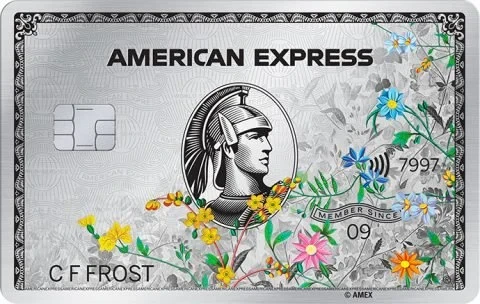
90-day window, $10,000 per claim, $50,000 per year — the same dollar limits as Sapphire Reserve on a shorter clock. What sets Amex apart isn't the limit, it's the process: no deductible, and claims commonly resolve within one to two weeks with a phone photo of the damage and a receipt. A well-documented real claim: a cracked Google Pixel 4a screen, purchased for $499.99, filed and fully reimbursed in 10 days with no deductible.
4. Amex Gold — Platinum's protection at a lower annual fee
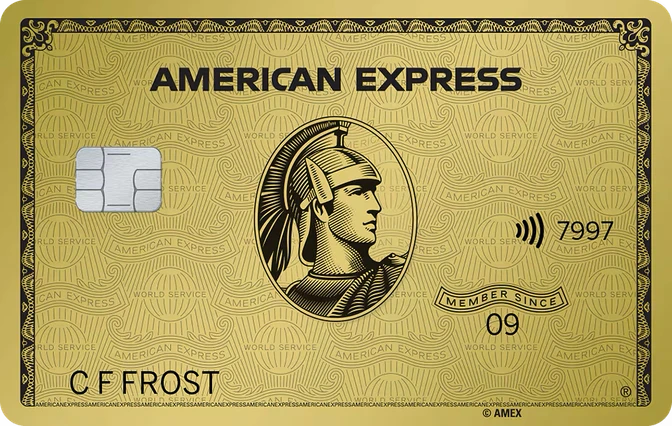
Same $10,000/$50,000 limits and 90-day window as Amex Platinum, at a meaningfully lower annual fee. If Purchase Protection is the benefit you actually want and you don't need Centurion lounge access or the rest of Platinum's travel perks, Gold gets you the identical protection for less.
5. Venture X — matches the premium tier at the lowest premium-card fee
90 days, $10,000 per claim, $50,000 per year — on par with Amex Platinum and Venture X's own lower annual fee among the premium cards. Claims route through the Benefits Administrator at cardbenefitservices.com; stolen items require a police report filed within 48 hours.
Cards that no longer offer it
Citi removed purchase protection and most shopping/travel protections across its card portfolio in 2019 and has not restored it as of 2026 — the Double Cash, Custom Cash, and AAdvantage cards all lack it. Discover does not offer purchase protection. If you're holding a Citi or Discover card expecting this coverage, you don't have it — check the card you actually used before assuming you're covered.
Common mistakes
1. Assuming "lost" and "stolen" are the same thing. They're not, on any issuer's terms. A misplaced item is not covered; a stolen or damaged one is. If your claim describes losing track of something, expect a denial — describe how it was damaged or stolen instead, accurately.
2. Letting the window lapse before filing. 90 or 120 days sounds long until the item breaks on day 95. Note the purchase date when you buy anything expensive on one of these cards, and file the moment something happens rather than waiting.
3. Not knowing which card actually paid. If you split a purchase across cards, or a family member's card, only the eligible card that carries the purchase protection benefit and that was charged for the item is covered. Check your statement, not your memory.
Related content
- Claim mechanics for Chase cards: Chase travel insurance & purchase protection guide — filing deadlines, required documents, and the benefits-administrator contact for Sapphire and Ink claims.
- Chase business cards: Chase Ink Business Cards guide
- Card comparisons: Amex Platinum vs Chase Sapphire Reserve · Amex Platinum vs Capital One Venture X
Get weekly card offer alerts
Sunday digest of elevated bonuses. One email, zero spam.
Cards mentioned in this guide



Frequently asked questions
Which credit card has the best Purchase Protection?
Does a no-annual-fee card really match premium-card Purchase Protection?
Does Purchase Protection cover items I lose, not just damage or theft?
Does Citi or Discover still offer Purchase Protection?
Related guides
Rules & Mechanics
Chase Travel Insurance & Purchase Protection Guide 2026
15 min
Strategy
Chase Ink Business Cards Guide (2026): Which Ink Card to Get + the 5/24 Workaround
17 min
Card Roundups
Best Credit Cards for Extended Warranty in 2026
8 min
Card Roundups
Best Credit Cards for Airport Lounge Access in 2026
7 min
Related news

airlines · Jun 2, 2026
Aeroplan 2026: SQC Status and June 1 Devaluation
amex · Jun 2, 2026
Amex Platinum at $895: One Year Post-Refresh Verdict

airlines · Jun 2, 2026
Credit Card Transfer Bonuses Mid-2026: H1 Drought Recap

industry · Jun 2, 2026
Travel Rewards Devaluations 2026: Every Major Loyalty Program Change This Year
Cards in this ecosystem

Considering switching?