Sapphire Reserve Business vs Amex Business Platinum
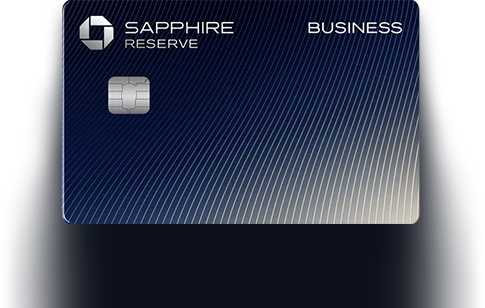
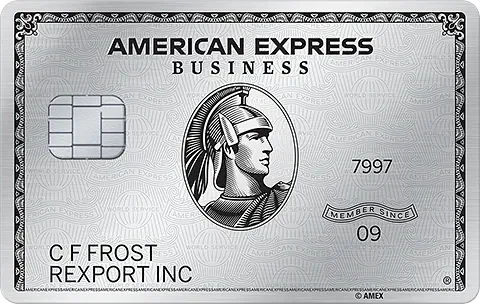
Chase Sapphire Reserve for Business ($795 AF, 150K UR bonus) wins for Hyatt-focused hotel redeemers and Chase Sapphire Lounge access; Amex Business Platinum ($895 AF, 200K public/up to 300K elevated MR) wins for international premium-cabin flyers and Centurion lounges. First-year value: CSRB nets roughly $2,200–$5,100 after the $795 fee (150K UR at 2–4¢/pt via Hyatt, plus ~$900–$1,500 realistic credit capture); Amex Business Platinum nets roughly $2,700–$8,100 after the $895 fee at the elevated 300K offer (redeemed at 1.5–3¢/pt via ANA/Singapore/Aeroplan, plus ~$1,200–$2,200 credit capture) but drops to breakeven-to-modest at the standard 150K–200K public offer.
On this page▾

Topic Collection
Part of the Business Credit Cards Collection
Explore all 39 articles
These are the two biggest business-card welcome bonuses on the US market in 2026 — 150,000 Chase Ultimate Rewards on the Sapphire Reserve Biz and up to 300,000 Membership Rewards on the Amex Business Platinum.
Both cost ~$700–$800 a year. Both buy you premium lounge access. Both transfer to airlines and hotels. The points programs are different, the lounge networks barely overlap, and the credit packages look identical only on the marketing page.
This guide compares them — line by line, math first, marketing last.
Quick answer
If you redeem points for hotels and want Chase Sapphire Lounge access plus Hyatt transfers, Chase Sapphire Reserve for Business wins. The 8× on Chase Travel + Hyatt 1:1 transfer + new Sapphire Lounges anchor the value.
If you redeem points for international premium-cabin flights and want Centurion lounge access plus the larger raw welcome bonus, Amex Business Platinum wins. The 300K MR via the right transfer partners (ANA, Singapore, Aeroplan) regularly produces $6,000–$10,000+ of business-class value.
| Card | Annual fee | Welcome bonus | Min. spend | Best feature |
|---|---|---|---|---|
| Sapphire Reserve Biz | $795 | 150,000 UR | $20K in 3 mo | 8× Chase Travel + Hyatt + Sapphire Lounges |
| Amex Business Platinum | $895 | 200K MR public, up to 300K elevated | $20K in 3 mo | Centurion lounge + ANA / Singapore / Aeroplan transfers |
💡 Pro tip — These cards are not substitutes. They are complements. Most serious points-and-miles strategists with the spend to support it hold both — Chase for hotel redemptions and lounges in the Sapphire footprint, Amex for premium-cabin international redemptions and Centurion. The decision below is "which one first" or "which one if I can only hold one."
Key takeaway: both cards are real competitors at the premium tier. Chase wins on hotels (Hyatt) and on raw multiplier (8× Chase Travel). Amex wins on raw welcome bonus (300K vs 150K), on lounge prestige (Centurion), and on transfer-partner breadth for premium-cabin flights.
Full overview — side-by-side
| Feature | Sapphire Reserve Biz | Amex Business Platinum |
|---|---|---|
| Annual fee | $795 | $895 |
| Welcome bonus (current) | 150,000 UR | 200K MR public · up to 300K via CardMatch/Resy referral |
| Minimum spend | $20,000 in 3 months | $20,000 in 3 months |
| Estimated welcome value | $3,000 – $6,000 (Hyatt transfer) | $4,000 – $9,000 (premium-cabin transfer at 200–300K) |
| Earning structure | 8× on Chase Travel; 5× on Lyft (through 9/30/2027); 4× on flights and hotels booked direct; 3× on social media + search engine advertising; 1× elsewhere | 5× on flights and prepaid hotels via Amex Travel; 2× on US construction/hardware, US electronics & cloud/software, US shipping, and on any single purchase $5,000+ (up to $2M/yr combined); 1× elsewhere |
| Transfer partners | 14 (Hyatt anchor) | 18+ (broader airline base) |
| Lounge access | Chase Sapphire Lounges (7 US + Hong Kong) + Sapphire Lounges by The Club + Priority Pass Select | Centurion Lounges + Priority Pass Select + Delta Sky Club (capped 10 visits/yr, same-day Delta) + Plaza Premium + Escape Lounges + Lufthansa Business/Senator |
| Lounge guest policy | 2 free guests at Sapphire Lounges; up to 8 at Sapphire Lounge by The Club for $27/visit | Paid guest access ($50 adult / $30 child); 2 complimentary guests only after $75K calendar-year spend. Effective July 8, 2026 guests must be on the same flight as the cardmember |
| Annual travel credit | $300 (auto-applies to any travel) | ❌ None bundled (use airline incidental as proxy) |
| Statement credits package | $300 travel · $500 The Edit by Chase Travel · $300 DoorDash · $200 Google Workspace · $120 Lyft · $400 ZipRecruiter · $100 giftcards.com (~$1,940 nominal) | $200 airline · $600 hotel (FHR/THC, $300 ×2) · $1,150 Dell ($150+$1,000) · $360 Indeed · $250 Adobe · $300 ChatGPT Business · $209 CLEAR Plus · $200 Hilton · $120 wireless (~$3,389 nominal) |
| Estimated real-world credit capture | $900 – $1,500 | $1,200 – $2,200 |
| Trip delay coverage | 6+ hours, $500/person | 6+ hours, $500/incident, 2/yr |
| Trip cancellation/interruption | $10,000/trip | $10,000/trip, $20,000/yr |
| Primary auto rental | ✅ Yes (business rentals) | ❌ Secondary only |
| Cell phone insurance | $1,000/claim, $100 deductible, 3 claims/yr | $800/claim, $50 deductible, 2 claims/yr |
| Foreign transaction fees | None | None |
| Employee cards | Free | $400/yr each (raised from $350 in the 2025 refresh) |
| Once-per-lifetime bonus? | ❌ No (Chase 24-month re-eligibility) | ✅ Yes (you can earn the welcome bonus only once, ever) |
| 5/24 gate? | ✅ Yes (must be under 5/24 to apply) | ❌ No (Amex does not enforce 5/24) |
| Hyatt transfer? | ✅ 1:1 | ❌ Not a partner |
| Centurion access? | ❌ Not a partner | ✅ Yes |
⚠️ Note on annual fees — Amex Business Platinum's fee is $895 (matched the personal Platinum refresh). Chase Sapphire Reserve for Business launched in 2025 alongside the personal Reserve refresh; the current 150K UR / $20K-in-3-months public offer began Jan 22, 2026. Verify the latest fee at the application page before submitting; both issuers occasionally introduce mid-year adjustments.
Key takeaway: Chase's spec sheet is denser around hotels and Lyft; Amex's is built around airline flights and a sprawling credit menu. The "$1,500+ in credits" framing on the Amex card is real on paper but depends entirely on whether you already buy from those vendors. Chase's $300 travel credit auto-applies — no enrollment, no vendor restriction.
Welcome bonus showdown — 150K Chase UR vs 300K Amex MR
Headline gap: 300K is 2× the raw points of 150K. But not 2× the value, because the redemption ecosystems are different.
Chase Sapphire Reserve for Business: 150,000 Ultimate Rewards
- Earned with: $20,000 spend in 3 months (matches Amex's minimum since the Jan 22, 2026 refresh)
- Cash value: $1,500
- Chase Travel portal (Reserve's "Points Boost" feature): redemption rates often hit 2× on select hotels and flights → up to $3,000 of travel
- Hyatt transfer best case (Cat 1–4 off-peak): $5,000 – $6,000+ of hotel value
- Hyatt transfer typical case: $3,000 – $4,500
- Best redemption example: 5 nights at a Cat 4 Hyatt during peak (75,000 UR with Globalist 5th-night-free at 60K net) = $2,500+ cash equivalent, plus 90K UR remaining for a second trip
Amex Business Platinum: 300,000 Membership Rewards
- Earned with: $20,000 spend in 3 months (200K public offer); same threshold for elevated 250K–300K via CardMatch / Resy
- Cash value (statement credit): ~$1,800 (300K × 0.6¢)
- Pay with Points (Amex Travel): 0.7 – 1.0¢/pt → $2,100 – $3,000
- Transfer partner best case (ANA business class, Singapore Suites, Virgin via Delta): $6,000 – $10,000+
- Transfer partner typical case: $4,500 – $6,000
- Best redemption example: 2 ANA round-trip business-class tickets US ↔ Asia (90K MR each = 180K MR), leaving 120K MR remaining for a domestic premium ticket or a future trip
Head-to-head value table
| Redemption method | 150K Chase UR (CSRB) | 200K – 300K Amex MR (Biz Plat) |
|---|---|---|
| Cash / statement credit | $1,500 | $1,200 – $1,800 |
| Travel portal | $1,875 – $3,000 (Points Boost on hotels/flights) | $1,400 – $3,000 (Pay with Points — 35% rebate now applies only on selected US airline) |
| Transfer to best partner | $5,000 – $6,000+ (Hyatt) | $4,000 – $10,000+ (ANA / Singapore — 200K floor, 300K ceiling) |
| Real-world likely value | $3,500 – $4,500 | $3,500 – $6,500 (depends on whether you get the elevated tier) |
📌 Note — Amex's standard public Business Platinum welcome offer (since the Sept 2025 refresh) is 200K MR after $20K in 3 months. Elevated offers of 250K–300K appear via CardMatch and Resy referral. Always check your specific offer at amex.com and CardMatch before applying — the difference between 200K and 300K is roughly $1,500–$2,500 of real value.
Key takeaway: at 300K vs 150K, Amex has a roughly 2× raw advantage. Real-world redemption value narrows that gap to roughly 1.3–2× because Chase points punch above their weight via Hyatt. The Amex edge is meaningful but not decisive — and it disappears entirely if you're only offered the standard 150K Amex bonus.
Membership Rewards vs Ultimate Rewards — transfer partners
Both programs have strong transfer-partner rosters. Their strengths overlap in a few places and diverge everywhere else.
Where Amex MR wins
- ANA Mileage Club — best Star Alliance business-class redemptions; round-trip US ↔ Asia in business as low as 75K–90K MR
- Air Canada Aeroplan — Star Alliance access; 1:1.25 transfer ratio (1,000 MR → 1,250 Aeroplan) when promo running
- Virgin Atlantic Flying Club — partner sweet spots for Delta One short-haul, ANA First Class, Air France/KLM premium awards
- Singapore KrisFlyer — only way to access Singapore Suites/First-class award space
- Air France/KLM Flying Blue — Promo Awards to Europe at 50K–80K MR round-trip
- More frequent transfer bonuses — 15–20/year historically vs Chase's 2–4/year
Where Chase UR wins
- World of Hyatt — single most valuable hotel transfer partner in the industry (fixed-rate chart, 1:1 transfer, 2–4¢/pt typical)
- United MileagePlus — Star Alliance without fuel surcharges on premium awards
- Southwest Rapid Rewards — points + Companion Pass eligibility (huge for families)
- Points Boost — Chase Travel portal multiplier (up to 2×) on select hotels and flights, exclusive to Reserve tiers
Transfer partner rank table
| Partner | Chase UR | Amex MR | Who needs it |
|---|---|---|---|
| Hyatt | ✅ 1:1 | ❌ Not partner | Hotel redemptions |
| ANA | ❌ Not partner | ✅ 1:1 | US ↔ Asia business class |
| Air Canada Aeroplan | ❌ Not partner | ✅ 1:1 (1.25 promo) | Star Alliance backup |
| Singapore KrisFlyer | ❌ Not partner | ✅ 1:1 | Singapore Suites / First |
| United | ✅ 1:1 | ❌ Not partner | Star Alliance via US carrier |
| Southwest | ✅ 1:1 | ❌ Not partner | Companion Pass play |
| Marriott Bonvoy | ✅ 1:1 (avoid) | ✅ 1:1 (avoid) | Almost never — bad ratio |
| Flying Blue | ✅ 1:1 | ✅ 1:1 | Europe Promo Awards |
| British Airways Avios | ✅ 1:1 | ✅ 1:1 | Short-haul AA + Iberia premium |
| Virgin Atlantic | ✅ 1:1 | ✅ 1:1 | Delta One sweet spots |
| Delta | ❌ Not partner | ✅ 1:1 (rarely useful) | Delta same-day SkyMiles use |
Key takeaway: Amex's airline list is broader and especially strong for premium-cabin international (ANA, Singapore, Aeroplan). Chase's hotel partnership with Hyatt is unmatched. If your travel pattern is hotel-heavy or family-oriented, Chase. If it's international-business-class-heavy, Amex.
The Hyatt test — Chase's structural advantage
If hotel redemptions are part of your travel pattern at all, this section decides the comparison.
World of Hyatt is the most valuable hotel transfer partner in the credit card universe — and it's a Chase-only partner.
150,000 Chase Ultimate Rewards transferred to Hyatt at 1:1 can buy:
- 5–7 nights at a luxury Cat 6–7 Hyatt property (Park Hyatt Aviara, Andaz Costa Rica, Grand Hyatt Kauai)
- 12–18 nights at a Cat 2–3 Hyatt (Hyatt Place / Hyatt House across the US)
- 3–4 nights at a top-tier Cat 8 (Park Hyatt Tokyo, Park Hyatt Maldives) with cash rates often $1,500–$2,500/night
At Hyatt's typical 2–4¢/pt rate, 150K UR delivers $3,000–$6,000+ of hotel value. The same 150K transferred via Amex to Marriott Bonvoy or Hilton (both partners) lands around $900–$1,500 — a 3–4× swing.
The three Hyatt structural advantages over any Amex hotel partner:
- Fixed-rate award chart — point cost per category doesn't move when cash rates spike during peaks, holidays, or events
- 5th-night-free for Globalist members — effective 20% discount on award stays at Cat 1–7 properties
- 1:1 Chase transfer ratio with sub-15-second transfers — fastest transfer in the points universe
💡 Pro tip — If your travel pattern includes 5+ hotel nights per year and you'd ever stay at a Hyatt, the Chase Sapphire Reserve for Business wins the Hyatt math even after accounting for Amex's larger raw bonus. The full mechanics are in our How to Transfer Chase Points to Hyatt guide.
Key takeaway: Hyatt is the single biggest structural advantage Chase has over Amex in 2026. If hotel redemptions matter to you, Chase wins the value contest even though Amex offers 2× the raw welcome bonus.
Lounge access head-to-head
Both cards lead with premium lounge access — but the networks barely overlap, and the experience is meaningfully different.
Chase Sapphire Reserve for Business — what you get
- Chase Sapphire Lounges (7 US locations: LAX, NYC LGA, JFK Terminal 4, Boston BOS, Philadelphia PHL, San Diego SAN, Phoenix PHX) plus Hong Kong; Las Vegas and DFW planned
- Sapphire Lounge by The Club (8+ locations including international: Las Vegas, Hong Kong, more)
- Priority Pass Select (1,300+ lounges worldwide; restaurants and select retail credits excluded post-2024)
- 2 free guests at Sapphire Lounges
- No Centurion access
Amex Business Platinum — what you get
- Amex Centurion Lounges (50+ globally; flagship card-program lounges)
- Priority Pass Select (same Priority Pass network, restaurants excluded since 2019)
- Delta Sky Club — same-day Delta flights only, with annual cap on visits since 2024
- Plaza Premium Lounges
- Escape Lounges
- Lufthansa Business and Senator Lounges when flying Lufthansa/Star
- 2 complimentary guests at Centurion after $75K calendar-year spend (default access is paid: $50/adult, $30/child). Effective July 8, 2026 all guests must be on the same flight as the cardmember.
Lounge-by-lounge comparison
| Lounge | Chase CSRB | Amex Biz Plat |
|---|---|---|
| Chase Sapphire Lounges | ✅ Free | ❌ No |
| Centurion Lounges | ❌ No | ✅ Free |
| Priority Pass Select | ✅ Yes | ✅ Yes |
| Delta Sky Club | ❌ No | ✅ Same-day Delta only |
| Lufthansa Business / Senator | ❌ No | ✅ When flying LH |
| Plaza Premium | ❌ No | ✅ Yes |
| Escape Lounges | ❌ No | ✅ Yes |
💡 Pro tip — Match the lounge network to your home airport. If your home is LAX, JFK (Terminal 4), LGA, BOS, PHL, SAN, or PHX, Chase Sapphire Lounges are excellent and often less crowded than Centurion. If your home is ATL, MIA, or LAS (where Centurion has flagship locations and Chase hasn't expanded yet), Amex's lounge value is harder to beat. Run the math against your top 3 airports before deciding.
Key takeaway: neither card "wins" lounges in the abstract. Chase Sapphire Lounges are newer, less crowded, and often have better dining; Centurion is the longer-established prestige network. Match the lounge map to your actual travel.
Annual fee reality check — credit-by-credit
Both cards lean heavily on credits to offset the headline annual fee. Both look more impressive on paper than in practice.
Chase Sapphire Reserve for Business — $795 annual fee
| Credit | Annual value | Real-world capture | Effective value |
|---|---|---|---|
| Annual travel credit (auto-applies to any travel) | $300 | 95–100% (no enrollment, no vendor restriction) | $290 – $300 |
| The Edit by Chase Travel ($250 H1 + $250 H2; 2-night min, specific brands) | $500 | 50–80% (requires planned stays at IHG/Montage/Pendry/Omni/Virgin/Minor/Pan Pacific) | $250 – $400 |
| Lyft credit ($10/month, through 9/30/27) | $120 | 70–90% (urban riders) | $84 – $108 |
| DoorDash credit + DashPass (monthly allocation) | $300 | 50–80% (depends on existing DoorDash use) | $150 – $240 |
| Google Workspace credit (through 12/31/27) | $200 | 80–95% (any Workspace subscriber captures) | $160 – $190 |
| ZipRecruiter hiring credit | $400 | 30–60% (requires actual hiring spend) | $120 – $240 |
| giftcards.com curated credit ($50 H1 + $50 H2) | $100 | 70–90% | $70 – $90 |
| Estimated total realized | ~$1,920 nominal | — | ~$1,124 – $1,568 |
Plus: Points Boost redemption multiplier in Chase Travel can quietly add $200–$500 of extra annual value if you use the portal for hotels and flights. The $120K-spend tier also unlocks Southwest A-List + IHG Diamond Elite status — meaningful for road warriors.
Net effective annual fee: $795 − ~$1,300 (mid-case credit capture) − ~$300 (Points Boost upside on $5K of Chase Travel hotel spend) ≈ negative $805 (positive net value at high capture)
Amex Business Platinum — $895 annual fee
| Credit | Annual value | Real-world capture | Effective value |
|---|---|---|---|
| Airline incidental fee credit (one selected airline) | $200 | 60–80% (specific fee types only) | $120 – $160 |
| Hotel credit ($300 H1 + $300 H2 via FHR/THC, 2-night min) | $600 | 60–85% (if you book FHR/THC twice/year) | $360 – $510 |
| Hilton Honors credit ($50/quarter) | $200 | 70–90% (any Hilton stay captures) | $140 – $180 |
| Dell credit ($150 base + $1,000 after $5K spend) | $1,150 | 30–80% (base = easy; $1,000 tier requires $5K Dell spend) | $345 – $920 |
| Indeed credit ($90/quarter) | $360 | 40–70% (requires hiring spend) | $144 – $252 |
| Adobe credit (after $600+ spend) | $250 | 70–90% (Creative Cloud users) | $175 – $225 |
| ChatGPT Business credit (added May 2025) | $300 | 60–85% (any ChatGPT Business subscriber) | $180 – $255 |
| CLEAR Plus credit | $209 | 50–75% (depends on existing CLEAR use) | $105 – $157 |
| Wireless credit ($10/month) | $120 | 90% (any US monthly wireless bill) | $108 |
| Global Entry / TSA PreCheck (every 4–5 years) | $25/yr amortized | 100% if needed | $25 |
| Estimated total realized | ~$3,414 nominal | — | ~$1,702 – $2,792 |
Net effective annual fee: $895 − ~$2,200 (mid-case credit capture at ~65% rate) ≈ negative $1,305 (strongly positive net value at typical capture rates). Big-spender tier ($250,000+ calendar-year spend) unlocks additional $1,200 Amex Travel + $2,400 OneAP credits.
Honest comparison
On paper, Amex has a bigger credit pile (~$3,400 nominal vs ~$1,920 for Chase). But Amex's credits are vendor-restricted, time-restricted, and require active management — and the Dell $1,000 tier requires actual $5K Dell spend most cardholders won't naturally hit. Chase's $300 annual travel credit is the single most reliable credit on any premium card — it auto-applies to any travel purchase, with no enrollment and no restrictions.
The honest math:
| Scenario | Chase CSRB net AF | Amex Biz Plat net AF |
|---|---|---|
| Optimal user (uses every credit + Points Boost) | ~−$800 (strongly net positive) | ~−$2,500+ (strongly net positive, esp. with $250K-spend tier) |
| Average user (60% credit capture) | ~−$200 (slightly positive) | ~−$1,200 (strongly positive) |
| Light user (30% credit capture) | ~$200 net cost | ~$0 (breakeven) |
| Cardholder who doesn't buy from credit vendors | ~$300 net cost (Chase travel credit still hits) | ~$895+ net cost (most credits expire unused) |
⚠️ The credit-vendor trap — Both cards' credit packages favor people who already spend with those vendors. Don't talk yourself into Dell, Indeed, or DoorDash purchases just to "use the credit." The Chase Sapphire Reserve for Business has the more forgiving credit structure for cardholders who don't already spend with specific vendor lists.
Key takeaway: at full capture, Amex Business Platinum has more nominal credit value. At realistic capture rates (the 50–70% range most cardholders hit), the two cards land within ~$200 of each other on net fee. Chase has the more flexible credit; Amex has the bigger total nominal pool. Pick based on your actual spend patterns, not the headline credit math.
Sole proprietor, LLC, EIN & business requirements
A premium business card application carries the same business-form requirements as any other Chase or Amex business application. The good news for newcomers: neither card requires an LLC.
Direct answers
Can you get the Chase Sapphire Reserve for Business without an LLC? Yes. Sole proprietorship is fully accepted. Apply with your legal name as the business name and your SSN as the tax ID.
Can you get the Amex Business Platinum without an LLC? Yes. Same mechanic. Sole proprietorships are routinely approved at Amex.
Can you apply using only your SSN? Yes — at both issuers. Your SSN is your sole-prop tax ID by default. An EIN is optional, not required.
Do you need an EIN? No. Free EINs are available from the IRS if you want personal/business identity separation, but neither issuer requires one.
Can side hustles qualify? Yes. Any genuine income-earning activity counts.
Activities that qualify as a legitimate business at both issuers
- eBay, Etsy, Mercari, Poshmark, Vinted seller
- Facebook Marketplace flipping
- Amazon FBA or Merch by Amazon
- Freelance writing, design, code, video, photo
- Consulting (any field)
- Uber, Lyft, DoorDash, Instacart, Grubhub driving
- Airbnb or Vrbo hosting
- YouTube creator, podcaster, newsletter, course seller
- Tutoring, music lessons, fitness coaching
- Reselling sneakers, concert tickets, trading cards
- Single-unit rental property
- Cleaning, lawn care, handyman services
- Photography or videography paid gigs
- Pet sitting, dog walking
- Realtor / real estate agent (independent contractor)
Myth vs Fact
| Myth | Fact |
|---|---|
| You need a registered company | A sole proprietorship is enough |
| You need an EIN | Most sole props apply with only their SSN |
| You need employees | One-person businesses qualify; "employees" = 1 |
| You need $100,000+ in revenue | Many approvals happen with $0 – $20,000 of side income |
| Premium business cards are stricter on revenue | They're not — they're stricter on credit-line tolerance + minimum spend, not on revenue |
| Chase verifies your business | Rarely — they verify personal credit; reconsideration calls go into business detail |
| Amex verifies your business | Same — Amex evaluates personal credit profile first |
Side-by-side business requirements
| Requirement | Sapphire Reserve Biz | Amex Business Platinum |
|---|---|---|
| LLC required? | ❌ No | ❌ No |
| EIN required? | ❌ No (SSN is fine) | ❌ No (SSN is fine) |
| Can use SSN? | ✅ Yes | ✅ Yes |
| Minimum revenue? | None published; $0 commonly approved | None published; $0 commonly approved |
| Employees required? | ❌ No (you = 1) | ❌ No (you = 1) |
| Sole proprietor accepted? | ✅ Yes | ✅ Yes |
| Business bank account required? | ❌ No | ❌ No |
| Years in business minimum? | 0 (brand-new sole props approved) | 0 (brand-new sole props approved) |
Which issuer is easier for a first-time premium business card applicant?
For most first-timers, the Amex Business Platinum is slightly easier to get approved for if you have any Amex history at all and are under the once-per-lifetime constraint. Reasons:
- No 5/24 — Amex does not enforce a 5/24 cap, so applicants blocked from Chase by recent personal-card activity can still get approved by Amex
- Established Amex relationship helps — if you already hold an Amex card, the issuer has data on your payment behavior, and Business Platinum applications from existing customers reverse on reconsideration more often than Chase
- Personal credit floor is similar (700+ ideal) but Amex tolerates lower scores more often than Chase Reserve-tier products
For first-timers under 5/24 with no Amex history, the Chase Sapphire Reserve for Business has clean approval mechanics — but only if you can also handle the $30,000 minimum spend in 6 months. That spend bar is the real gating factor on CSRB, not the credit profile.
For a much deeper walk-through of Chase business card mechanics, see our Complete Chase Ink Business Cards Guide.
Key takeaway: a sole proprietor with $0 of revenue, no LLC, and only an SSN can get approved for either card. The decision turns on two factors most beginners don't think about — Amex's once-per-lifetime constraint and Chase's 5/24 gate. Get the credit profile right first, then sequence around those two rules.
Approval odds — what actually drives them
| Factor | Chase Sapphire Reserve for Business | Amex Business Platinum |
|---|---|---|
| Personal credit score | High weight; 720+ ideal for clean approval | High weight; 700+ generally needed |
| 5/24 status | Hard gate — must be under 5/24 | Not a factor — Amex doesn't enforce |
| Existing Chase relationship | Helpful (checking + cards in good standing) | N/A |
| Existing Amex relationship | N/A | Helpful (Amex history improves reconsideration odds) |
| Business revenue | Low weight; $0 acceptable | Low weight; $0 acceptable |
| Recent Chase apps | 2/90 informal velocity rule | N/A |
| Recent Amex apps | N/A | 1-in-5 / 2-in-90 velocity rules |
| Once-per-lifetime rule | ❌ No (24-month re-eligibility on Inks; CSRB specifics still emerging post-launch — verify) | ✅ Yes — can only earn Bus Plat welcome bonus once, ever |
📌 Note — Run your specific credit score, 5/24 count, and recent application history through the CreditPoints Approval Predictor before applying. The Predictor is calibrated against issuer-specific decision patterns and can flag once-per-lifetime conflicts before you submit.
Key takeaway: CSRB is gated by 5/24 and the $30K minimum spend. Amex Business Platinum is gated by velocity rules and once-per-lifetime eligibility. Different gates — pick the card whose gate you don't hit.
Which card is better for…
| Profile | Best card | Why |
|---|---|---|
| Hyatt loyalist | Sapphire Reserve Biz | Hyatt is Chase-only; no other answer |
| Family traveler (Hyatt + Southwest patterns) | Sapphire Reserve Biz | Hyatt anchor + Southwest transfer + travel credit |
| International first/business-class redeemer | Amex Business Platinum | ANA + Singapore + Aeroplan are MR-only |
| Heavy client-travel consultant | Amex Business Platinum | Centurion + 5× on flights via Amex Travel |
| Agency owner / digital ad-spender | Either — both 1× on ad spend; Amex wins on absolute bonus if elevated offer is available | |
| Solo founder with steady $5K/mo spend | Sapphire Reserve Biz | $20K in 3 months is easier than $20K in 3; Hyatt redemption protects long-term value |
| One-time massive spender ($25K+ in a quarter) | Amex Business Platinum | Higher welcome bonus, faster minimum spend window, higher transfer-partner ceiling |
| Strategist holding the personal Sapphire Reserve | Amex Business Platinum | Diversifies the points pool into MR; complements rather than overlaps |
| Strategist holding the personal Amex Platinum | Sapphire Reserve Biz | Diversifies into UR + Hyatt + Sapphire Lounges; complements rather than overlaps |
| Frequent traveler from LAX/JFK/LGA/BOS/PHL/SAN/PHX | Sapphire Reserve Biz | Chase Sapphire Lounges at those 7 US hubs are excellent and underused |
| Frequent traveler from ATL/MIA/DFW/LAS | Amex Business Platinum | Centurion flagships at those hubs are excellent; Chase hasn't expanded there yet |
[DECISION TREE: Which premium business card should you apply for first?]
Key takeaway: the decision is rarely "which is universally better." It's "which fits your travel pattern, home airport, and existing card portfolio." For Hyatt-loyalist families, Chase. For premium-cabin international travelers, Amex. For strategists with one of the personal Sapphire/Platinum cards already, take the opposite issuer to diversify.
Application strategy
Option A — Open Chase Sapphire Reserve for Business first (recommended if under 5/24)
| Month | Application | Bonus | Why |
|---|---|---|---|
| 0 | Sapphire Reserve Biz | 150K UR | Highest current Chase Travel + Hyatt anchor |
| 3 | Ink Preferred | 100K UR | Stacks UR; $95 AF; broader 3× categories |
| 6 | Amex Business Platinum | 150K – 300K MR | Now diversifies into Amex ecosystem after CSRB anniversary |
12-month potential: 400K+ transferable points across both issuers.
Pros: locks in Chase 5/24 gate first (most strict), pulls Hyatt access early, gives you Sapphire Lounges before Centurion. Cons: $20K minimum spend on CSRB stacked with $20K Amex spend at month 6 = $40K total over 6 months — paceable for $6.7K/mo of legitimate business spend.
Option B — Open Amex Business Platinum first (recommended if at 5/24 or chasing the 300K elevated offer)
| Month | Application | Bonus | Why |
|---|---|---|---|
| 0 | Amex Business Platinum | 150K – 300K MR (lock in the highest available) | Bypasses 5/24; once-per-lifetime urgency |
| 3 | Amex Business Gold | 70K – 100K MR | Adds MR earning at 4× on top categories |
| 6 | Sapphire Reserve Biz | 150K UR (if under 5/24 by then) | Adds UR + Hyatt + Sapphire Lounges |
12-month potential: 370K – 520K transferable points.
Pros: locks in the biggest single bonus (Amex 300K) before once-per-lifetime ever comes back to bite; gets Centurion access immediately. Cons: higher cumulative AF in year 1 ($895 + $375 = $1,270 before credits); $40K – $50K total minimum spend across the three apps.
The hybrid — for high-spend strategists under 5/24
If you can spend $50K in 90 days across business expenses and personal-but-business-bucketed spend, open both cards in the same 30-day window. Pull the Amex Business Platinum first (locks in 300K offer if available and burns the once-per-lifetime rule on the higher tier), then the CSRB 30 days later (CSRB is the harder approval gate).
This is the maximum-bonus play for 2026. It is also the highest financial-discipline path — you're sitting on $40K+ of bridge spend across two new cards before either welcome bonus posts.
💡 Pro tip — If you go hybrid, set up the Amex first and lock in 250K – 300K via CardMatch or Resy referral. Don't apply for the standard 150K offer — once the welcome bonus posts at the lower tier, you can never get it again at the higher tier on this product.
Key takeaway: Option A (Chase first) is safest under 5/24 and gives the most Hyatt time. Option B (Amex first) protects the once-per-lifetime elevated bonus. The hybrid is the highest-bonus path but only for experienced applicants with bridge spend ready.
Frequently asked questions
Can I get both the Chase Sapphire Reserve for Business and the Amex Business Platinum?
Yes. They are separate issuers with separate underwriting. You can hold both simultaneously and earn both welcome bonuses. Most strategists stagger by 30–90 days to avoid velocity flags at either issuer.
Do I need an LLC for either premium business card?
No. Both cards approve sole proprietors. Apply with your legal name as the business name and your SSN as the tax ID. No LLC, no EIN, no separate business bank account, no separate business address required at either issuer.
Which card is easier to get approved for?
For most first-timers with established Amex history, Amex Business Platinum is slightly easier — Amex does not enforce 5/24 and is more forgiving on prior Chase activity. For first-timers under 5/24 with no Amex history, Chase Sapphire Reserve for Business has clean mechanics. The $30K minimum spend on CSRB is more constraining than the credit-profile bar.
Which welcome bonus is bigger in real-world value?
At face value, 300K Amex MR > 150K Chase UR by 2×. Real-world maximum value narrows the gap to roughly 1.3–2× because Chase punches above its weight via Hyatt. At Amex's standard 150K public offer, the comparison flips — Chase wins on Hyatt math.
Can I transfer points to Hyatt from Amex Business Platinum?
No. Hyatt is a Chase-only transfer partner. This is the single biggest reason to keep at least one Chase Ultimate Rewards-earning card open even when your primary points pool is in the Amex ecosystem.
Can I get the Amex Business Platinum welcome bonus twice?
No. Amex applies a once-per-lifetime rule to Business Platinum welcome bonuses. If you've earned the bonus on this product before, you cannot earn it again, ever. Lock in the highest available offer when you apply.
Can I get the Chase Sapphire Reserve for Business welcome bonus twice?
The CSRB product is new (launched September 2025) and Chase's specific re-eligibility language for this product is still maturing. Read the application's bonus terms carefully at the moment of applying. Chase's Sapphire personal cards require 48 months between bonuses; the Business Sapphire window has not yet been definitively published — verify before applying.
What's the Points Boost feature on the Chase Sapphire Reserve for Business?
Points Boost is Chase's redemption multiplier for hotels and flights booked through Chase Travel — Reserve cardholders can redeem UR at up to 2 cents per point on select inventory (some properties show 1.0× rate, others up to 2.0×; rate varies by inventory and booking class). It's not a fixed multiplier — it's a dynamic redemption rate revealed at checkout.
How long do approvals take at each issuer?
Chase Sapphire Reserve for Business: instant decision in roughly 70% of cases (premium-tier business cards see slightly more manual review than Ink); manual review of 7–30 days for the remainder. Amex Business Platinum: instant decision in roughly 70% of cases; pending decisions usually resolve within 24–72 hours after a soft verification step.
Does the Amex 5× on flights apply to all flights?
Only flights booked directly through American Express Travel (amextravel.com). Flights booked directly with airlines earn 1×. Same restriction applies to the 5× on prepaid hotels.
Does the Chase 8× on Chase Travel apply to all bookings?
8× applies to hotel, flight, and rental car bookings made through the Chase Travel portal (formerly Ultimate Rewards Travel). Travel booked direct with airlines and hotels earns 3×. Travel booked via Expedia or other OTAs earns 1×.
Are the Sapphire Lounges actually worth using?
Yes — they're newer, less crowded, and often have better food than Centurion or Priority Pass lounges at comparable airports. The downside: currently 7 US locations (LAX, LGA, JFK Terminal 4, BOS, PHL, SAN, PHX) plus Hong Kong. If your home airport isn't on the list, Sapphire Lounge value is limited until the network expands.
Are Centurion Lounges actually worth using?
Yes — Centurion is the longest-established premium card-lounge network in the US, with 30+ US locations including flagships at LAX, ATL, MIA, DFW. Centurion has been crowded at peak times since 2020; access caps (Delta Sky Club capped at 10 visits/year) and entry-window restrictions (3 hours before flight) were introduced in February 2023 to manage volume. As of July 8, 2026, the 2 free Centurion guests (after $75K calendar-year spend) must also be on the same flight as the cardmember.
Can I downgrade either card to avoid the annual fee?
Chase Sapphire Reserve for Business: yes — you can product-change to a Chase Ink card after the first year. You lose Sapphire Lounge access, Points Boost, and the travel credit, but you retain the account history. Amex Business Platinum: yes — you can product-change to Business Gold ($375 AF) or Blue Business Plus ($0 AF). You lose Centurion access, the credit package, and most travel benefits.
Do points expire on either card?
Chase UR: do not expire as long as the account is open. Amex MR: do not expire as long as you have at least one MR-earning Amex card open. Closing your last MR-earning card forfeits the MR balance — transfer points to an airline or hotel partner first.
Can I use either card for personal spending?
Both issuers' card-member agreements require the card to be used "primarily for business purposes." Practically, casual personal use is tolerated at both; consistent and exclusive personal use can trigger account review.
Do both cards offer free employee cards?
Chase Sapphire Reserve for Business offers free employee cards. Amex Business Platinum employee cards cost $400/year each (raised from $350 in the 2025 refresh). Employee card spending pools into the primary cardholder's points balance on both platforms.
Should I get one of these before the personal Sapphire Reserve or Amex Platinum?
If you can spend the minimum and you're at the right life stage for premium travel, business premium cards are often the more efficient first card because they don't add to your 5/24 count after approval. That gives you a 100K+ welcome bonus and preserves your 5/24 slots for future personal-card applications.
Is the $795 Chase fee or $895 Amex fee actually worth it?
Both are profitable for cardholders who actually use the lounge access (3+ visits/year) and capture at least 60–70% of the credits. Both are net negatives for cardholders who don't travel enough to use the lounges or don't spend in the credit-vendor categories. Run the Annual Fee Calculator with your actual spend pattern before applying.
Final verdict
Three winners, three different jobs.
🏆 Best overall — Chase Sapphire Reserve for Business
For travelers whose redemption pattern includes hotels, CSRB wins the overall value test. The Hyatt 1:1 transfer + Points Boost on Chase Travel + Sapphire Lounges at major hubs + the $300 auto-applied travel credit add up to a card that pays its own annual fee in year 1 for almost every active business traveler.
Pick this if: you redeem points for hotels regularly, your home airport has a Sapphire Lounge, and you can spend $20K in 3 months.
🏆 Best bonus — Amex Business Platinum
At the elevated 300K MR tier, Amex Business Platinum has the largest welcome bonus available on any business card in 2026. Used through ANA, Singapore, or Aeroplan, 300K MR routinely produces $6,000 – $10,000+ of premium-cabin international value. Centurion lounge access at major US flagships adds another $400 – $800 of effective annual value for frequent flyers.
Pick this if: you can spend $20K in 3 months, you're targeted for the 250K–300K elevated offer (not standard 150K), you'll use Centurion lounges 4+ times a year, and you redeem points for international business class.
🏆 Best long-term card — Chase Sapphire Reserve for Business
The $300 auto-applied travel credit is the best credit on any premium card because it carries no enrollment, no vendor restrictions, and no time gates. Combined with Hyatt access and Points Boost, CSRB stays profitable year after year for active travelers more reliably than Amex Business Platinum, whose credit package depends on continued Dell/Indeed/Adobe/wireless spend patterns.
The Amex Business Platinum is the better short-term bonus play but the harder long-term retention because the credit value swings with your vendor spend.
Practical recommendation
- Under 5/24, traveling steady, want Hyatt: open Chase Sapphire Reserve for Business first.
- Targeted for Amex 300K elevated, can spend $20K in 90 days: open Amex Business Platinum first — that elevated tier is once-per-lifetime, lock it in.
- At or above 5/24: Amex is the only path for now — open Business Platinum.
- Strategist with bridge spend: hybrid path — Amex first (locks once-per-lifetime), CSRB 30 days later. 400K+ transferable points in 90 days.
Whichever path you pick, don't apply blind. Run your specific credit profile through our Approval Predictor first and model the math against your actual spend pattern with the Annual Fee Calculator and Compare Tool.
The best premium business card is the one whose lounges you'll actually visit, whose credits you'll actually use, and whose points you'll actually transfer where they're worth the most. The math takes 30 minutes. The card will pay you back for years.
Compare deeper
- Side-by-side comparison: The Business Platinum Card from American Express vs Sapphire Reserve for Business
- Side-by-side comparison: American Express Business Gold Card vs The Business Platinum Card from American Express
- Side-by-side comparison: American Express Business Gold Card vs Sapphire Reserve for Business
- Side-by-side comparison: The Business Platinum Card from American Express vs Ink Business Preferred
More compare matchups
- Compare head-to-head: The Business Platinum Card from American Express vs Sapphire Reserve for Business
- Compare head-to-head: American Express Business Gold Card vs The Business Platinum Card from American Express
- Compare head-to-head: American Express Business Gold Card vs Sapphire Reserve for Business
- Compare head-to-head: The Business Platinum Card from American Express vs Ink Business Preferred
- Compare head-to-head: Ink Business Preferred vs Sapphire Reserve for Business
- Compare head-to-head: American Express Business Gold Card vs Ink Business Preferred
- Compare head-to-head: The Business Platinum Card from American Express vs Ink Business Premier
- Compare head-to-head: The Business Platinum Card from American Express vs United Business Card
Get weekly card offer alerts
Sunday digest of elevated bonuses. One email, zero spam.
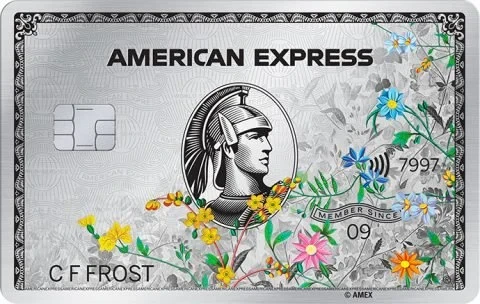
Cards mentioned in this guide



Frequently asked questions
Can I get both the Chase Sapphire Reserve for Business and the Amex Business Platinum?
Do I need an LLC for either premium business card?
Which card is easier to get approved for?
Which welcome bonus is bigger in real-world value?
Can I transfer points to Hyatt from Amex Business Platinum?
Can I earn the Amex Business Platinum welcome bonus twice?
Can I earn the Chase Sapphire Reserve for Business bonus twice?
What is the Points Boost feature on the Chase Sapphire Reserve for Business?
How long do approvals take?
Does the Amex 5× on flights apply to all flights?
Does the Chase 8× on Chase Travel apply to all bookings?
Are the Chase Sapphire Lounges actually worth using?
Are Centurion Lounges actually worth using?
Can I downgrade either card to avoid the annual fee?
Do points expire on either card?
Can I use either card for personal spending?
Do both cards offer free employee cards?
Should I get one of these before the personal Sapphire Reserve or Amex Platinum?
Is the $795 Chase fee or $895 Amex fee actually worth it?
Related guides
Card Roundups
🏆 CreditPoints Top 5 — Best Credit Cards Right Now
9 min
Strategy
Chase 5/24 Workaround: 3 Legit Ways to Get Approved in 2026 (+1 That Fails)
13 min
Strategy
The Ultimate Family Credit Card Strategy (2026)
19 min
Card Roundups
Amex Business Gold vs Chase Ink Business Preferred (2026): Full Comparison
12 min
Related news

chase · Jun 2, 2026
Chase Ink Preferred 100K Returns: 2026 Ink Lineup
bilt · Jun 2, 2026
Bilt Palladium vs CSR vs Amex Platinum 2026 ($495/$795/$895)

chase · Jun 10, 2026
Chase Hyatt Transfer Ratio 4:3: What It Means for Sapphire Preferred and Ink Business Preferred

chase · Jun 10, 2026
Chase to Virgin Atlantic: 30% Transfer Bonus — Book Delta Business Class for 18,000 Points
Cards in this ecosystem



Considering switching?