What Counts as "Travel" for Chase's $300 Credit and 3x Categories
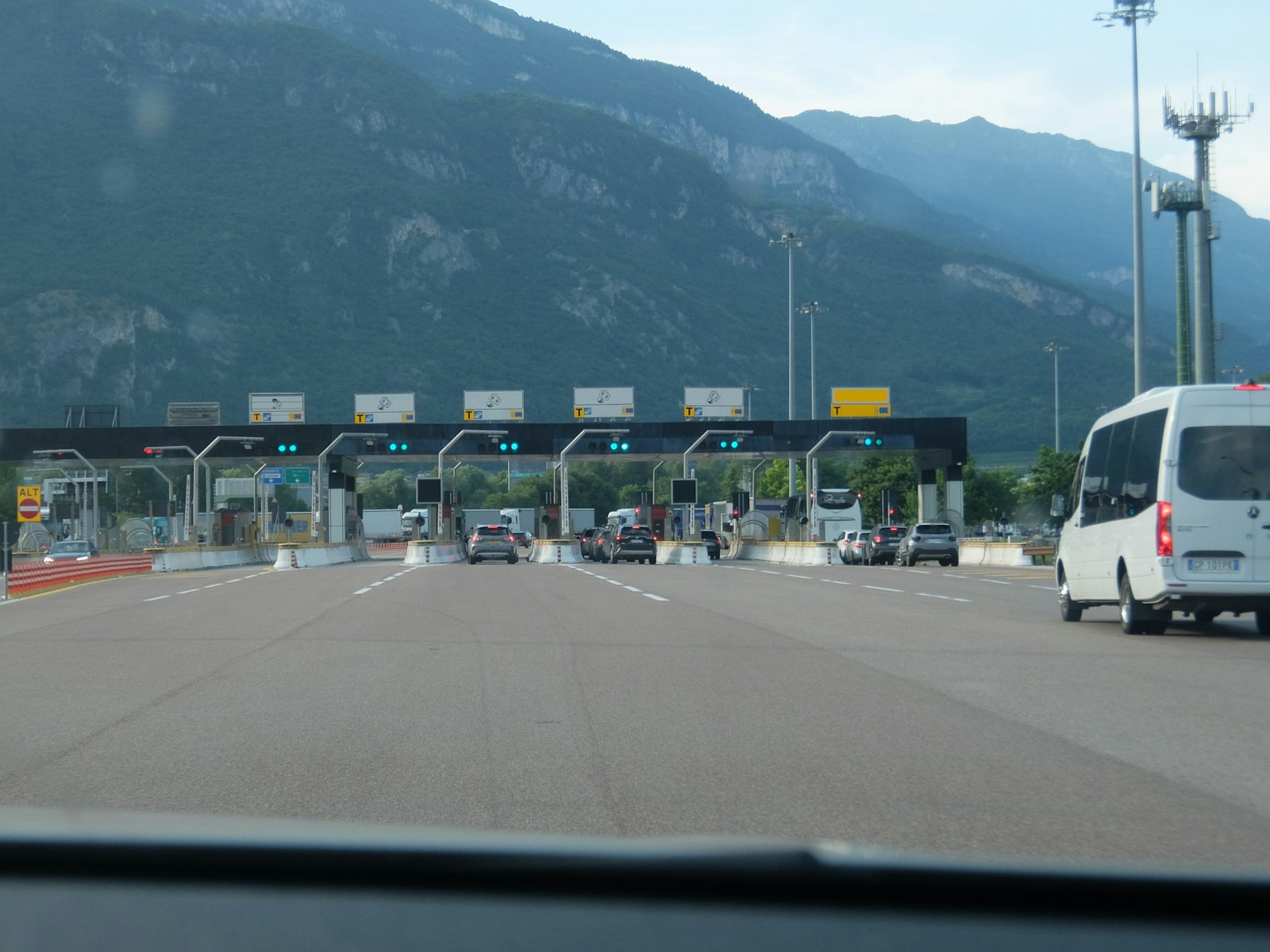
Chase's travel category for the $300 Sapphire Reserve credit includes airlines, hotels, car rentals, cruises, travel agencies, campgrounds, trains, buses, taxis, rideshare, ferries, tolls, and parking. It does not include gas stations, in-flight purchases, airport/hotel retail, or attractions. The card's elevated earning rates (8x portal, 4x direct flights/hotels) are narrower and no longer match the broad credit category.
On this page▾
Topic Collection
Part of the Keep or Cancel Collection
Explore all 27 articles
Chase defines "travel" far more broadly than most cardholders assume — tolls, parking meters, ferries, and even campgrounds all qualify. But the $795-AF Sapphire Reserve's elevated earning rates no longer track that same broad definition, and mixing up the two costs cardholders real money every year.
Two different things ride on the word "travel" at Chase: the $300 annual travel credit, which auto-applies against a wide list of merchant categories, and the card's bonus-earning tiers, which — after the 2025 refresh — only reward Chase Travel portal bookings and direct-booked flights/hotels at elevated rates. Everything else in the broad travel category, including tolls and rental cars, now earns the base rate. Below: exactly what counts for each, verified against Chase's own merchant category list and the current card terms.
Quick answer
Chase's travel category (for the $300 credit) includes airlines, hotels, motels, timeshares, car rental agencies, cruise lines, travel agencies, campgrounds, passenger trains, buses, taxis, limousines, rideshare, ferries, toll bridges and highways, and parking lots and garages — confirmed against Sapphire Reserve's current benefits terms. It does not include gas stations, in-flight/onboard purchases, airport or hotel retail shops, tourist attractions and excursions, or travel insurance bought through a third-party insurer.
Separately, Sapphire Reserve's bonus earning is now tiered: 8x on Chase Travel portal bookings, 4x on flights and hotels booked directly, 3x on dining, and 1x on everything else — including tolls, parking, transit, and car rentals booked outside the portal. That last point catches almost everyone off guard.
💡 Pro tip — If most of your "travel" dollars go to tolls, parking, and rental cars rather than flights and hotels, Sapphire Preferred still earns 2x on that broad travel category — the Reserve dropped its elevated rate on it in the 2025 refresh.
Key takeaway: the $300 credit's category is broad and MCC-based. The elevated earning rates are narrow and booking-channel-based. They are not the same thing anymore, even though both use the word "travel."
The official travel category: what Chase's merchant list actually includes
Chase codes purchases by merchant category code (MCC), not by what you personally believe you're buying. The travel MCC group that triggers the $300 credit spans:
- Airlines and airline ticket agencies
- Hotels, motels, and timeshares
- Car rental agencies
- Cruise lines
- Travel agencies and discount travel sites
- Campgrounds and RV parks (privately operated; public/park-service campgrounds sometimes code differently)
- Passenger trains, buses, taxis, and limousines
- Rideshare apps (Uber, Lyft)
- Ferries
- Toll bridges and highways
- Parking lots and garages
Airbnb consistently codes as travel. Vrbo and independent vacation-rental platforms are inconsistent — some transactions code as travel, others as "real estate" or "professional services" depending on how the individual host or platform processes payment.
Key takeaway: the travel category is genuinely broad — it's built around transportation and lodging merchant codes, not a curated list of "vacation-sounding" purchases.
What reliably triggers the $300 Sapphire Reserve credit
The $300 credit applies automatically — no enrollment, no portal requirement, no manual claim. Chase applies it against the first $300 in travel-coded charges that post each cardmember year (the year runs from your account-open anniversary to the day your next post-anniversary statement closes, not the calendar year).
The purchases that consistently trigger it:
- EZ-Pass, SunPass, and other electronic toll accounts linked to the card
- Airport, garage, and metered parking, including apps like SpotHero and ParkMobile
- Subway fare cards, commuter rail, and bus fares
- Uber, Lyft, and licensed taxis
- Direct hotel and airline bookings, and bookings through the Chase Travel portal
For a daily commuter paying $8–$12/day in tolls and parking, the $300 credit typically clears within the first 6–10 weeks of the cardmember year with zero planning — a detail that turns the $795 AF into an effective $495 for anyone with a real commute.
⚠️ Biggest mistake — Assuming a purchase counts as travel because it "feels travel-related." A gift shop inside an airport terminal, a restaurant inside a hotel, and inflight Wi-Fi all code under retail, dining, or telecom MCCs — not travel — even though you bought them mid-trip.
Key takeaway: tolls, parking, and transit are the fastest, most predictable way to clear the $300 credit — often before you've booked a single flight.
What does NOT count — the exclusions that surprise people
The following routinely fail to trigger either the credit or the elevated earning rate, even though cardholders expect them to:
- Gas stations — a separate MCC entirely, not part of the travel category
- In-flight purchases and onboard services (Wi-Fi, snacks, seat upgrades bought mid-flight)
- Merchants located inside airports or hotels (retail shops, some restaurants) — coded by their own business type, not their location
- Tourist attractions, excursions, and guided sightseeing tours
- Merchants that sell points or miles directly
- Real estate agents, even ones booking vacation properties
- Travel insurance purchased through a standalone insurer (codes as insurance, not travel)
- RV and boat rentals from non-travel-coded merchants
Key takeaway: if a purchase happens at, near, or during a trip but isn't itself transportation, lodging, or a travel agency, assume it won't count until you've verified the coding.
The credit vs. the earning multiplier: two different things now
Before the Sapphire Reserve's 2025 refresh, the card earned a flat elevated multiplier (historically 3x) on the entire broad travel category — tolls, parking, and rental cars included. That's no longer true. Chase's current, confirmed earning structure for Sapphire Reserve is:
| Purchase type | Points per dollar |
|---|---|
| Chase Travel portal (flights, hotels, cars, cruises, activities) | 8x |
| Flights booked direct with an airline | 4x |
| Hotels booked direct with a property | 4x |
| Dining worldwide | 3x |
| Everything else — including tolls, parking, transit, car rentals booked direct, cruises booked direct | 1x |
That means a $300 rental-car charge booked directly with Hertz earns 300 points on the Reserve — the same as a grocery run — even though it fully counts toward the $300 travel credit. Sapphire Preferred, by contrast, kept its broad 2x multiplier on the same wide travel category (tolls, parking, ferries, campgrounds included) alongside its 5x Chase Travel portal rate. For cardholders whose "travel" spend is mostly tolls and rental cars rather than flights and hotels, the Preferred now out-earns the Reserve on that category.
Key takeaway: the $300 credit and the earning multiplier both use the word "travel," but only the credit still uses the broad definition. The multiplier narrowed to portal bookings and direct flights/hotels in the 2025 refresh.
Portal vs. direct booking: how coding changes
Booking through Chase Travel routes the charge as a single "Chase Travel" line item, which earns the 8x rate and counts fully toward the $300 credit. Booking the identical flight or hotel directly with the airline or property earns 4x and still counts toward the credit — the credit doesn't care which channel you used, only the merchant category.
The gap only shows up in earning rate, not credit eligibility: portal bookings earn roughly double what direct bookings do on flights and hotels post-refresh, which is a meaningful shift from the card's earlier structure where direct bookings weren't penalized as heavily. If you're weighing portal convenience against direct-booking flexibility (easier changes, status-qualifying stays), the points gap is now large enough to factor into the decision — see what to book direct vs. through the portal.
Key takeaway: portal bookings earn roughly 2x more than direct bookings on flights and hotels since the 2025 refresh — both still count fully toward the $300 credit either way.
What to do when a charge codes wrong
Merchant coding is set by the merchant's payment processor, not by Chase, and not by what the purchase objectively is. When a travel purchase doesn't trigger the credit or the elevated rate:
- Check the transaction category in the Chase app before assuming an error — the listed MCC is usually visible on the transaction detail screen.
- Contact Chase support via chat or phone if a purchase you're confident should code as travel didn't. Agents can sometimes manually recode a transaction, though this isn't guaranteed.
- Test with a small purchase first when using an unfamiliar booking platform (a new vacation-rental site, a regional toll authority, an independent tour operator) before routing a large charge through it expecting credit.
Decision framework: which card fits your travel-spend mix
| Your typical travel spend | Better fit |
|---|---|
| Mostly flights/hotels booked through Chase Travel | Sapphire Reserve — 8x portal rate dominates |
| Mostly flights/hotels booked direct, want status-qualifying stays | Sapphire Reserve — 4x still beats CSP's 2x |
| Mostly tolls, parking, transit, and rental cars, <$3,000/year total travel | Sapphire Preferred — 2x beats Reserve's 1x on this mix, at $95 AF instead of $795 |
| Daily commuter with $8+/day tolls/parking, occasional flights | Either card clears the $300 credit fast on Reserve; Preferred has no travel credit but earns 2x on the same commute spend |
Real use case: clearing the credit on a commute alone
A cardholder pays $9/day in bridge tolls and $6/day in garage parking commuting to work, five days a week — $75/week, roughly $3,900/year in toll and parking spend alone. On Sapphire Reserve, the first $300 of that clears in under four weeks with zero trip planning, cutting the effective annual fee from $795 to $495 before any other benefit is used. The earning rate on that same spend, however, is 1x (300 points on $300) — not the 3x many cardholders still expect from pre-refresh marketing. Compare that to Sapphire Preferred, which has no travel credit to offset its $95 fee but earns 2x (7,800 points) on the full $3,900 in annual toll/parking spend — a earning-rate advantage that a commute-heavy spender should weigh against the Reserve's credit and lounge access.
Key takeaway: a heavy commuter clears the $300 Reserve credit almost automatically, but earns the base 1x rate doing it — the Preferred's 2x on the same spend can out-earn the Reserve's point total even though it lacks the credit.
Bottom line: Chase's travel category is broader than most people assume for the $300 credit — tolls, parking, transit, and ferries all count — but the elevated earning multiplier that used to track the same broad category no longer does on the Sapphire Reserve. Know which purchases hit the credit, which hit the 8x/4x tiers, and which hit neither, before assuming a charge "counts." If you're deciding between cards, see Sapphire Preferred vs. Sapphire Reserve and whether the $795 fee is worth it at your spend level. For the analogous rules on Ultimate Rewards redemption categories, see Chase Pay Yourself Back in 2026, and if you're still building your first Chase card lineup, start with your first-year roadmap.
Disclosure: CreditPoints may receive compensation if you click through and are approved for cards mentioned in this article. We only recommend products we believe deliver genuine value to readers. See our editorial policy for details.
Get weekly card offer alerts
Sunday digest of elevated bonuses. One email, zero spam.
Cards mentioned in this guide



Frequently asked questions
Does Uber or Lyft count as travel on the Chase Sapphire Reserve?
Does gas count as travel for the Chase Sapphire Reserve $300 credit?
Do tolls and parking earn bonus points on the Chase Sapphire Reserve?
Does the $300 Chase Sapphire Reserve travel credit reset on January 1?
Does Airbnb count as travel on Chase Sapphire cards?
Related guides
Strategy
Chase Sapphire Preferred vs Chase Sapphire Reserve (2026): Which Is Right for You?
10 min
Strategy
Should You Downgrade the Chase Sapphire Reserve at $795? A No-BS Guide
8 min
Rules & Mechanics
Chase Travel Portal vs Transfer Partners (2026)
13 min
Rewards Programs
Chase Pay Yourself Back in 2026: What's Left and When It's Worth It
9 min
Related news

chase · Jun 2, 2026
Chase Sapphire Reserve 150K Welcome Offer 2026

chase · Jun 10, 2026
Chase Hyatt Transfer Ratio 4:3: What It Means for Sapphire Preferred and Ink Business Preferred

chase · Jun 10, 2026
Chase to Virgin Atlantic: 30% Transfer Bonus — Book Delta Business Class for 18,000 Points

hyatt · Jun 3, 2026
Hyatt Added Perk for Globalists, Explorists and Cardholders
Cards in this ecosystem


Considering switching?