Best Amex Credit Card 2026: Ranked by Use Case
The best American Express card in 2026 for most people is the Amex Gold: a $325 annual fee earns 4x Membership Rewards on dining and U.S. groceries, transferable 1:1 to airlines and hotels. Choose the Platinum ($895) for premium travel, the Blue Cash Preferred (6% groceries) for cash back, and a no-fee Blue Cash Everyday to start — and remember every Amex welcome bonus is once per lifetime.
On this page▾

Quick answer
The best American Express card in 2026 for most people is the Amex Gold — a $325 annual fee that earns 4x Membership Rewards on dining and U.S. groceries and turns into transferable points you can move 1:1 to airlines and hotels. If you want premium travel, the Amex Platinum ($895) delivers the best lounge access and credits. For pure cash back, the Blue Cash Preferred pays 6% at U.S. supermarkets. The no-fee entry pick is the Blue Cash Everyday, and the Amex Green is the mid-tier travel option.
TL;DR: The best Amex card in 2026 depends on use case. Best for dining and groceries: Amex Gold ($325 annual fee, 4x Membership Rewards on dining and U.S. supermarkets, transferable points). Best premium travel: Amex Platinum ($895 annual fee, 5x on flights and prepaid hotels, best lounge access and credits). Best everyday cash back: Blue Cash Preferred ($95 annual fee, 6% at U.S. supermarkets and 6% on select U.S. streaming). Best no-fee entry: Blue Cash Everyday ($0 annual fee, 3% groceries, gas, and online retail) or Amex EveryDay ($0 annual fee, earns Membership Rewards). Best mid-tier travel: Amex Green ($150 annual fee, 3x on broad travel and restaurants). Best business: Amex Business Gold ($375) or Business Platinum ($895). Membership Rewards transfer 1:1 to partners including Delta, Air Canada Aeroplan, Flying Blue, British Airways, Virgin Atlantic, ANA, Hilton, and Marriott — but not United or Hyatt. Every Amex welcome bonus is once per lifetime per card.
Best Amex by use case
| Use case | Best Amex card | Annual fee |
|---|---|---|
| Best for dining & groceries | Amex Gold | $325 |
| Best premium travel | Amex Platinum | $895 |
| Best everyday cash back | Blue Cash Preferred | $95 |
| Best no-fee entry | Blue Cash Everyday | $0 |
| Best mid-tier travel | Amex Green | $150 |
| Best business | Amex Business Gold | $375 |
The Amex ecosystem: Membership Rewards and the once-per-lifetime rule
Most Amex cards earn either cash back or Membership Rewards. The points-earning cards — Gold, Platinum, Green, EveryDay, Business Gold, Business Platinum, and Blue Business Plus — all feed a single Membership Rewards balance that transfers 1:1 to airline and hotel partners including Delta, Air Canada Aeroplan, Flying Blue, British Airways, Virgin Atlantic, ANA, Hilton, and Marriott. Note the two big gaps: there is no United and no Hyatt. If those two programs are your goal, Amex is not your ecosystem.
The cash-back cards — Blue Cash Preferred and Blue Cash Everyday — earn statement-credit cash back instead, which is simpler but can never be worth more than face value. A Membership Rewards point worth 1 cent as cash can be worth 2 cents or more transferred to a partner airline.
The once-per-lifetime rule governs welcome bonuses. You can generally earn the welcome bonus on a specific Amex card only once in your lifetime, and Amex uses a pop-up at application time to warn you if you are ineligible. For a full explanation of how these rules work across the lineup, see the Amex application rules guide. This makes the order you apply matter: open the card whose bonus you value most while you still qualify, and never burn a once-per-lifetime bonus by applying carelessly.
Best for dining and groceries: Amex Gold
Why it wins
The Amex Gold earns 4x Membership Rewards at restaurants worldwide and 4x at U.S. supermarkets, the two categories where most households spend heavily every month. For a $325 annual fee, those points are transferable to airline and hotel partners, which is what separates the Gold from a flat cash-back card. For a full deep-dive on this card, see our Amex Gold card review. It also carries a stack of monthly dining and travel credits that offset much of the fee for people who use them.
Who it is for
Anyone whose biggest spending is food — both groceries and going out. If you cook at home and eat out regularly, 4x on both is the strongest earn rate in the Amex lineup for everyday life. It is also the most common first Amex for people who want to start earning transferable points without paying a premium fee.
The verdict
For the majority of people reading this, the Gold is the answer. It is the best earning Amex for normal spending and the natural entry point into Membership Rewards.
Best premium travel: Amex Platinum
What you get
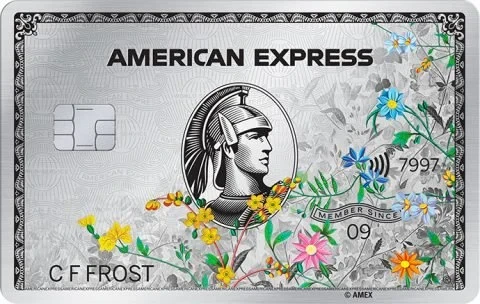
The Amex Platinum sits at $895 per year. For a complete breakdown of all its credits and how to maximize them, see our Amex Platinum review. In exchange you get the best airport lounge access of any U.S. card — Centurion Lounges, Priority Pass, Delta Sky Clubs when flying Delta — plus a deep stack of annual credits and 5x Membership Rewards on flights booked directly with airlines and on prepaid hotels through Amex Travel.
Who it is for
Frequent travelers who will actually use the lounges and burn through the credits. The math works when you offset the $895 fee with travel, airline, hotel, and lifestyle credits and value the lounge network — otherwise the Gold delivers most of the transferable-points benefit for far less.
The verdict
Worth it for heavy travelers, overkill for everyone else. If you are unsure, start with the Gold and add the Platinum later only if your travel volume justifies the $895 — our Amex Gold vs Amex Platinum comparison runs the two fees and earn rates side by side to settle it.
Best everyday cash back: Blue Cash Preferred
What it earns
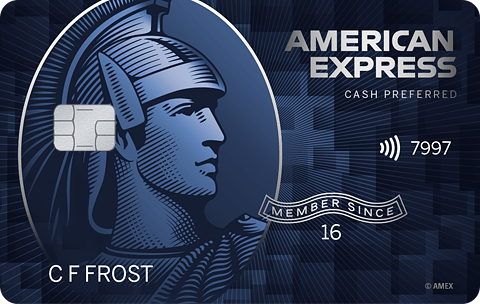
The Blue Cash Preferred has a $95 annual fee and earns 6% cash back at U.S. supermarkets (up to an annual cap), 6% on select U.S. streaming, 3% on transit and at U.S. gas stations, and 1% elsewhere. This is the highest grocery rate of any mainstream card, paid as straightforward statement-credit cash back.
Who it is for
Families with heavy supermarket and streaming spend who want simple cash back rather than the complexity of transferable points. If you will never learn airline transfer partners, 6% cash at the grocery store beats 4x points you do not optimize.
The verdict
The best cash-back Amex for grocery-heavy households. Choose it over the Gold when you want guaranteed cash value and have no interest in award travel.
Best no-fee entry: Blue Cash Everyday
What it earns
The Blue Cash Everyday has a $0 annual fee and earns 3% cash back at U.S. supermarkets, 3% at U.S. gas stations, and 3% on U.S. online retail (each up to an annual cap), with 1% elsewhere. It is the no-fee version of the Blue Cash Preferred for households that spend less.
Who it is for
People who want a free Amex that still earns meaningful cash back, and newcomers building toward the ecosystem. The fee-free Amex EveryDay is the alternative if you prefer earning Membership Rewards (2x at U.S. supermarkets) over cash back at no annual fee.
The verdict
The best free entry into Amex. Start here if you are not ready to pay an annual fee, then graduate to the Gold or Blue Cash Preferred once your spending justifies it.
Best mid-tier travel: Amex Green
What it earns
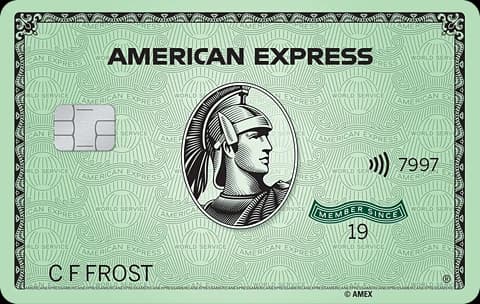
The Amex Green has a $150 annual fee and earns 3x Membership Rewards on a broad definition of travel — flights, hotels, transit, rideshare — and 3x at restaurants worldwide. Its travel category is wider than the Gold's, making it useful for people whose spend spreads across transport and trips rather than concentrating in groceries.
Who it is for
Travelers who want transferable points and a broad 3x travel category without the Platinum's fee. The Green sits between the Gold and Platinum: more travel breadth than the Gold, far less cost than the Platinum.
The verdict
A solid middle option, but most people are better served by the Gold for earning or the Platinum for benefits. The Green shines when broad 3x travel matches your actual spending.
Best business: Amex Business Gold and Business Platinum
What they earn
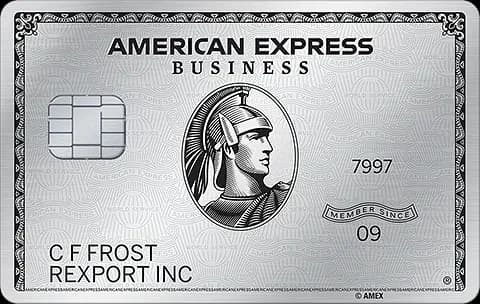
The Amex Business Gold ($375 annual fee) earns 4x Membership Rewards on your top two spending categories each month from a list that includes advertising, software, and more, up to an annual cap. The Amex Business Platinum ($895 annual fee) mirrors the consumer Platinum's lounge access and credits with business-focused perks. Both feed the same Membership Rewards balance as your personal cards.
Who it is for
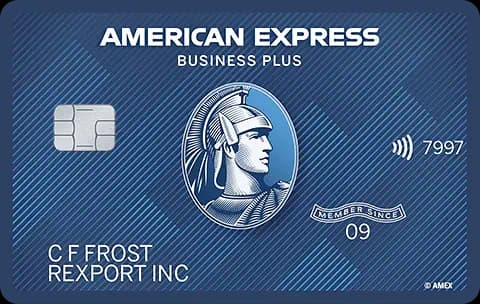
Business owners and freelancers with real business spend. Because the Business Gold adapts its 4x bonus to wherever you spend most, it suits businesses with shifting category spend. The fee-free Blue Business Plus ($0 annual fee, 2x Membership Rewards on the first chunk of annual spend) is the no-fee way to keep feeding your points balance.
The verdict
The Business Gold is the strongest business earner for most; the Business Platinum is for owners who travel enough to use its premium benefits. Add a Blue Business Plus when you want a no-fee points engine.
How to pick your first Amex
| If you... | Start with |
|---|---|
| Spend heavily on food | Amex Gold |
| Travel often, want lounges | Amex Platinum |
| Want simple grocery cash back | Blue Cash Preferred |
| Want a free starter card | Blue Cash Everyday |
| Want broad 3x travel | Amex Green |
| Run a business | Amex Business Gold |
Most people start with the Gold for earning or a no-fee Blue Cash card to test the waters. Because every welcome bonus is once per lifetime, apply for the card whose bonus you value most while you still qualify — do not waste a Gold or Platinum bonus on a card you only half want. Sophisticated holders who want to stack multiple personal Amex cards should read about the Amex trifecta strategy. A common winning order: open a no-fee Blue Cash to start, move to the Gold for transferable-points earning, then add the Platinum only if your travel justifies it.
Bottom line
The Amex Gold is the best American Express card in 2026 for most people — $325 buys 4x Membership Rewards on dining and U.S. groceries plus transferable points worth far more than cash. Step up to the Amex Platinum ($895) only if you travel enough to use its lounges and credits, choose the Blue Cash Preferred (6% groceries) if you want simple cash back — see the full Amex Blue Cash Preferred review — and start with the no-fee Blue Cash Everyday if you are not ready for a fee. Business owners should check the Amex Business Gold review and consider the Amex Green card as a mid-tier travel option. Remember the two ecosystem facts: Membership Rewards skip United and Hyatt, and every welcome bonus is once per lifetime — so apply in the right order.
Get weekly card offer alerts
Sunday digest of elevated bonuses. One email, zero spam.
Cards mentioned in this guide

Frequently asked questions
What is the best American Express card overall in 2026?
What is the Amex once-per-lifetime rule for welcome bonuses?
Should I get the Amex Gold or the Amex Platinum?
Which Amex card is best for cash back instead of points?
Can I transfer Amex Membership Rewards to United or Hyatt?
Which Amex card should I get as my first one?
Related guides
Related news

amex · Jun 9, 2026
Amex Renames Green Card to "Classic Green" August 2026 — What Changes (Spoiler: Almost Nothing)

industry · Jun 6, 2026
Apartment Collection by Hilton

amex · Jun 2, 2026
Amex 30% Avios Transfer Bonus: 1,000 MR = 1,300 Avios, Ends ~June 21 2026

airlines · Jun 2, 2026
Aeroplan 2026: SQC Status and June 1 Devaluation
Cards in this ecosystem

Considering switching?