Building US Credit for Newcomers from Canada, the UK & Australia (2026)
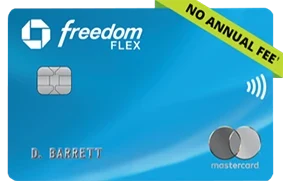
As of 2026, UK and Canadian newcomers can import their home-country credit via Nova Credit when applying for the Chase Freedom Unlimited or Freedom Flex on day one (the Amex × Nova Credit path ended in 2025). Australians and other newcomers have no Nova card shortcut and build via a secured/starter card, or use Amex Global Transfer if they already hold a home-country Amex. Then build a US FICO to ~700 in 12-14 months by keeping utilization under 10% and paying in full.
On this page▾

Topic Collection
Part of the New to America Collection
Explore all 37 articles
Quick answer
Newcomers from Canada and the UK still hold a real advantage: as of 2026, Nova Credit lets you import your home-country credit history when you apply for the Freedom Unlimited or Freedom Flex, so a strong UK or Canadian file can get you a real US card without a US credit history. This is narrower than it used to be — the old American Express × Nova Credit partnership ended in 2025, and Amex no longer offers a "no US credit history" foreign-credit application. Newcomers from Australia no longer have a Nova Credit card shortcut at all (Chase's Nova path currently covers only the UK and Canada). Australians build through a secured/starter card, or — if they already hold an Australian Amex card — move it to a US Amex via Amex Global Transfer. The fast-track plan for UK/Canada: get an SSN through your work visa, apply for a Chase Freedom card via Nova Credit in week one, and add a no-annual-fee everyday card like Quicksilver to round out your wallet.
TL;DR: As of 2026, newcomers to the US from the United Kingdom and Canada can use Nova Credit to import their home-country credit history when applying for the Chase Freedom Unlimited or Chase Freedom Flex — Chase is now Nova Credit's credit-card partner, after the American Express × Nova Credit partnership ended in 2025. Chase's Nova Credit path currently supports only UK and Canadian credit history; more cards and countries may be added later, so verify the current list at novacredit.com. Nova Credit pulls from Experian (UK) and Equifax Canada or TransUnion Canada (Canada). Newcomers from Australia and other countries no longer have a Nova Credit card shortcut; they build via secured/starter cards, or use Amex Global Transfer if they already hold an American Express card issued in their home country. An SSN (via a work visa such as H-1B, L-1, E-3, or TN) or ITIN is required to apply. Pair a starter card with a no-annual-fee, no-foreign-transaction-fee card like Quicksilver (1.5% flat). A typical newcomer reaches ~700 FICO in 12–14 months by keeping utilization under 10% and paying statements in full.
Top picks at a glance
| Card | Best for |
|---|---|
| Freedom Unlimited | UK/Canada newcomers — apply via Nova Credit with imported home credit |
| Freedom Flex | UK/Canada newcomers — rotating 5% categories, also on the Nova Credit path |
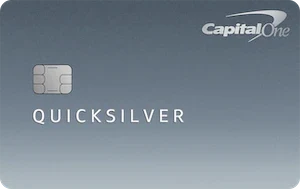
| Quicksilver | No-AF everyday card — 1.5% flat, no foreign transaction fees |
| SavorOne | Dining + entertainment + streaming, no annual fee |
| Discover it Secured | Starter for Australia and other non-UK/Canada newcomers — SSN secured card |
How Nova Credit works for Canada and the UK
Nova Credit is a cross-border credit bureau. It collects your credit data from your home country's bureaus and packages it into a Credit Passport — a translated, US-formatted version of your foreign credit history that a participating US lender can read as part of its underwriting. For a broader look at every path available, see the complete guide to building US credit as a new immigrant.
Here is the key point most newcomers miss: a US card issuer normally cannot see a foreign credit file at all. To a US lender, a brand-new arrival from Toronto or London looks identical to someone with no financial history anywhere. Nova Credit closes that gap. As of 2026 the live credit-card path is Chase: a UK or Canadian newcomer can authorize a Nova Credit import when applying for the Freedom Unlimited or Freedom Flex, so a strong home file can get you approved instead of making you start from zero.
Important: the previous American Express × Nova Credit partnership ended in 2025. Amex removed the "I don't have US credit history" foreign-credit option from its application, so you can no longer use Nova Credit to get an Amex card. The participating issuers and countries change over time — always verify the current list at novacredit.com before you apply.
Which bureau Nova Credit pulls per country (Chase card path)
| Country | Source bureau(s) | What transfers |
|---|---|---|
| Canada | Equifax Canada, TransUnion Canada | Score, tradelines, payment history, utilization |
| United Kingdom | Experian | Score, account history, on-time payment record |
Chase's Nova Credit credit-card path currently supports only the UK and Canada; Chase has said more cards and countries may be added later. Both countries have mature, comprehensive credit-reporting systems, which is why the imported data is trusted. Australia is not currently supported on the Chase card path — Australians no longer have a Nova Credit card shortcut and should follow the starter-card route below (or Amex Global Transfer if they already hold an Australian Amex).
What the Credit Passport does NOT do
- It does not create a US FICO score. You still have a thin or nonexistent domestic file on day one — the Passport is a one-time underwriting input for the participating lender, not an ongoing US tradeline.
- It does not transfer to every issuer's underwriting. Only participating lenders read it; for credit cards specifically that is currently Chase (UK/Canada). A fresh arrival may still be declined for, say, Chase Sapphire Preferred even while approved for a Chase Freedom card via Nova Credit.
- It does not eliminate the SSN/ITIN requirement. You still need a US tax ID to apply for any card.
Step 1: Get your SSN through your work visa
Most newcomers from these three countries arrive on work-authorized visas — H-1B, L-1, E-3 (Australia-specific), TN (limited to certain Canadians), or O-1 — all of which let you get a Social Security Number.
- Confirm work authorization. If your visa permits employment, you are SSN-eligible. The E-3 visa is reserved for Australians; TN status covers some Canadian professionals under USMCA.
- Apply at a Social Security Administration office. Bring your passport, visa, I-94 record, and employer letter. Some recent arrivals can request the SSN as part of their visa application abroad, in which case the card arrives by mail.
- Wait 2–4 weeks for the card. You do not need the physical card in hand to apply for credit — once the number is issued and in the system, you can use it.
If you arrived on a visa without work authorization (rare for these three countries, but possible for some dependents or students), apply for an ITIN via IRS Form W-7 instead — see SSN vs. ITIN for credit: what newcomers need to know for a full breakdown.
Step 2 (UK & Canada): Apply for a Chase Freedom card via Nova Credit in week one
This is the centerpiece of the fast-track plan for UK and Canadian newcomers. Do not waste a year on a starter card if your home credit is strong.
- Go to the Freedom Unlimited or Freedom Flex application on chase.com.
- Choose the option to apply with your foreign credit history via Nova Credit. Chase routes eligible UK and Canadian newcomers through the Nova Credit import.
- Authorize the import. You will be asked to verify your identity with your home-country bureau (Equifax/TransUnion for Canada, Experian for the UK). Nova Credit pulls your file and translates it.
- Receive a decision. With strong home credit, approvals are common.
Why a Chase Freedom card specifically? It is currently the credit card a UK or Canadian newcomer can realistically get on day one using imported credit, with no annual fee:
- Freedom Unlimited — flat elevated cash back on every purchase plus bonus categories, $0 annual fee
- Freedom Flex — rotating 5% bonus categories (on activation, up to the quarterly cap) plus fixed bonus categories, $0 annual fee
- Both earn Chase Ultimate Rewards points and report to all three US bureaus, building your domestic file from day one
- No annual fee means you can keep the account open indefinitely to grow your credit-age history
For a newcomer setting up a household, a no-fee Chase card that you qualified for on imported credit is the strongest day-one start available — and it puts you inside the Chase ecosystem for later upgrades.
Australia and other countries: there is currently no Nova Credit shortcut for you. If you already hold an American Express card issued in your home country, look at Amex Global Transfer, which lets you move that existing Amex relationship to a US Amex card without a US credit history — it is only for current Amex cardholders, not a general no-history path. Otherwise, skip to the starter-card route in Step 3.
Step 3: Add a no-annual-fee everyday card (and the starter route)
You want a no-fee card to anchor your domestic file and handle everyday spend. For newcomers without a Nova Credit shortcut (Australia and other countries), this is your starting card. A strong companion or starter is Quicksilver:
- 1.5% cash back on every purchase, flat, no categories to track
- $0 annual fee
- No foreign transaction fees — useful while you still spend in CAD, GBP, or AUD on trips home
- Capital One is comparatively friendly to applicants with short US histories
Capital One does not read the Nova Credit Passport, so approval here depends on your young domestic file plus income. If declined initially, that is normal — reapply after a few months, or start with SavorOne or a secured card.
If you have no Nova Credit path and a thin file, a secured card such as Discover it Secured is the reliable starter: you put down a refundable deposit, it reports like any card, and many graduate to unsecured within a year — the best secured credit cards for 2026 compares your full range of options. If you want richer everyday earning, SavorOne earns elevated cash back on dining, entertainment, and streaming with no annual fee.
Step 4: Build your domestic FICO to 700+
Once your first US cards report, your actual US credit score starts forming — independent of any Nova Credit import. The mechanics are the same for everyone.
Keep utilization under 10%. This is the single biggest lever. If your combined limits are $15,000, keep reported balances under $1,500 — ideally under $1,000. Pay down before the statement closes, not just before the due date, because the statement balance is what gets reported. For a full explanation of how FICO is calculated, read how credit scores work: US FICO explained for immigrants.
Pay every statement in full. Payment history is 35% of your FICO score. Autopay the full statement balance so a single missed payment never derails 14 months of progress.
Do not close your first card. Length of credit history matters; keep your earliest US account open indefinitely.
With this discipline, newcomers typically reach ~700 FICO in 12–14 months, which unlocks the broader US market — Chase Sapphire Preferred, Capital One Venture X, and other cards that ignore the Nova Credit Passport.
The fast-track plan (UK & Canada, excellent home credit)
If you arrive from the UK or Canada with a top-tier credit file at home, here is the compressed timeline — for a more detailed month-by-month approach, see the credit card strategy for your first year as a new immigrant:
- Week 1: SSN application filed; apply for Freedom Unlimited (or Freedom Flex) via Nova Credit.
- Week 2–3: Chase Freedom approved and in use; apply for Quicksilver (or SavorOne) for additional no-fee everyday spend.
- Month 1–6: Run both cards, utilization under 10%, autopay in full. Your US FICO begins forming.
- Month 6–12: With two reporting tradelines and clean history, add a third card to diversify issuers.
- Month 12–14: FICO crosses ~700. The full US card market opens up.
Australian and other newcomers without a Nova path start at Step 3 with a secured or starter card and reach the same ~700 FICO in 12–14 months — it simply begins with a starter card rather than an imported-credit Chase card.
Common mistakes
Assuming you can still use Nova Credit to get an Amex card. You cannot — the Amex × Nova Credit partnership ended in 2025 and the foreign-credit option was removed from Amex's application. For credit cards, the live Nova Credit path is now Chase (UK/Canada only).
Australians expecting a Nova Credit card shortcut. There currently isn't one. Build with a secured/starter card, or use Amex Global Transfer if you already hold an Australian Amex.
Applying for Chase or Citi premium cards expecting Nova Credit to help. The Nova Credit import works for the Chase Freedom Unlimited and Freedom Flex, not for premium cards like Chase Sapphire Preferred. A fresh arrival applying for Sapphire Preferred in week one will almost certainly be declined — Chase sees a thin file. Understanding the Chase 5/24 rule is essential before adding any Chase cards.
Letting the Canadian or UK file go stale before applying. Nova Credit pulls your file at application time. If you have already let your home accounts close or lapse, the imported file is weaker. Apply soon after arrival while your home record is fresh.
Running high utilization on a new card. A $10,000 limit feels like room to spend, but a reported $6,000 balance (60% utilization on that line) damages your young US score badly. Stay under 10%.
Forgetting the SSN can be requested abroad. Australians on E-3 and others can sometimes request the SSN during the visa process, shaving weeks off the timeline. Ask before you fly.
Bottom line
UK and Canadian newcomers have one of the smoothest on-ramps to US credit, because as of 2026 Nova Credit imports their Experian or Equifax/TransUnion history when they apply for the Freedom Unlimited or Freedom Flex — the old Amex × Nova Credit path ended in 2025. Get your SSN through your work visa, apply for a Chase Freedom card via Nova Credit in week one, add a no-fee anchor like Quicksilver, then build your domestic FICO to ~700 in 12–14 months by keeping utilization under 10% and paying in full. Australians and newcomers from other countries no longer have a Nova Credit card shortcut: build with a secured/starter card, or use Amex Global Transfer if you already hold a home-country Amex. Participating issuers and countries change — verify the current list at novacredit.com before you apply.
Get weekly card offer alerts
Sunday digest of elevated bonuses. One email, zero spam.
Cards mentioned in this guide

Frequently asked questions
Can I use Nova Credit for a credit card from Canada, the UK, or Australia in 2026?
Can I really get a US credit card on my first day in the US?
How do I get an SSN as a newcomer from Canada, the UK, or Australia?
Why pair Amex Gold with Capital One Quicksilver?
How long until I have a real US FICO score?
Related guides
Card Roundups
Credit Cards for L-1 and O-1 Visa Holders Without an SSN (2026)
15 min
Rules & Mechanics
SSN vs ITIN for Credit: What Newcomers Need to Know (2026)
14 min
Strategy
Best Credit Cards That Accept ITIN 2026: Complete Guide for Immigrants
12 min
Strategy
How to Build US Credit as Immigrant: The 18-Month Roadmap
17 min
Related news

chase · Jun 9, 2026
Chase Disney Inspire Visa Launch: $99 AF, $400 Welcome — Is It Worth a 5/24 Slot?

chase · Jun 2, 2026
Chase 20% Flying Blue Bonus May 2026: Retrospective

chase · Jun 2, 2026
Chase Sapphire Reserve 150K Welcome Offer 2026
chase · Jun 2, 2026
Chase Ultimate Rewards 2026: Cash-Back + Points Boost