How US Credit Scores Work: FICO and VantageScore Explained for Immigrants (2026)
A US credit score runs 300-850. FICO weights five factors: payment history 35%, amounts owed/utilization 30%, length of history 15%, credit mix 10%, new credit 10%. Good starts at 670, very good at 740, exceptional at 800. Newcomers start with no score because credit history does not cross borders, and FICO needs one account active for six months. With on-time payments and utilization under 10%, a new file can reach 700 in 12-14 months.
On this page▾
Topic Collection
Part of the Credit Score Guides Collection
Explore all 14 articles
Quick answer
A US credit score is a number from 300 to 850 that predicts how likely you are to repay borrowed money. The two scores lenders use, FICO and VantageScore, are built from the same data but weight it differently. FICO uses five factors: payment history (35%), amounts owed and utilization (30%), length of credit history (15%), credit mix (10%), and new credit (10%). Newcomers start with no score because no lender has ever reported an account in their name — and a FICO score needs at least one account that has been open and active for six months. With perfect payments and low utilization, a brand-new file can reach around 700 in 12 to 14 months. Good begins at 670, very good at 740, and exceptional at 800.
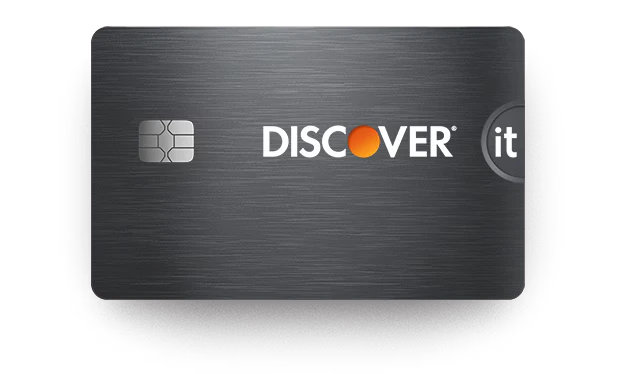
TL;DR: A US credit score ranges from 300 to 850. FICO weights five factors: payment history 35%, amounts owed/credit utilization 30%, length of credit history 15%, credit mix 10%, new credit 10%. VantageScore (currently 3.0/4.0) uses the same bureau data (Experian, TransUnion, Equifax) but can score a thinner or newer file because it does not require six months of history the way FICO does. FICO score bands: poor 300-579, fair 580-669, good 670-739, very good 740-799, exceptional 800-850. A generatable FICO score requires at least one account at least six months old with recent activity reported to a bureau. Immigrants and newcomers start with no score (a "thin file" or "no file") because credit history does not transfer across borders; it begins the moment a lender first reports a tradeline. Ideal credit utilization is under 10%, and under 30% at minimum. With on-time payments and low utilization, a new file can reach roughly 700 in 12-14 months. Free scores are available through Capital One CreditWise, Credit Karma, and most issuer dashboards. A secured card such as the Discover it Secured or a starter card like the Quicksilver is a common way to open a first tradeline.
The five FICO factors at a glance
| Factor | Weight | What it measures |
|---|---|---|
| Payment history | 35% | Whether you pay every bill on time; late payments hurt most |
| Amounts owed / utilization | 30% | How much of your available credit you are using; lower is better |
| Length of credit history | 15% | The average and oldest age of your accounts |
| Credit mix | 10% | Whether you have different types of credit (cards, loans) |
| New credit | 10% | Recent applications and newly opened accounts |
What a credit score actually is
A credit score is a three-digit summary of the information in your credit report — the file that Experian, TransUnion, and Equifax keep on how you have borrowed and repaid money in the US. If you are new to the US financial system, our complete guide to building US credit as a new immigrant covers every step from arrival to rewards cards. Lenders pull that report, run it through a scoring model, and get a number that estimates the risk of lending to you. The higher the number, the lower the perceived risk, and the better the rates and approvals you receive.
Two models dominate. FICO is the older standard, used in the majority of lending decisions, especially mortgages. VantageScore is a competing model built jointly by the three bureaus; many free credit-monitoring tools show a VantageScore. They read the same underlying data but weigh and treat it slightly differently, which is why your FICO and VantageScore can differ by a few points on the same day.
Score ranges and what each band means
| Band | FICO range | What it means for approvals |
|---|---|---|
| Poor | 300-579 | Most unsecured cards deny you; secured cards and starter products are the path in |
| Fair | 580-669 | Some approvals, often with higher rates and lower limits |
| Good | 670-739 | The threshold most mainstream cards look for |
| Very good | 740-799 | Strong rates, premium cards, higher limits |
| Exceptional | 800-850 | Best available rates and the widest approvals |
The practical milestone for a newcomer is 670, the floor of the "good" range. Cross it and most everyday rewards cards become realistic. Reaching the 740 "very good" mark opens better rates on loans, but for credit-card approvals, good is usually enough.
The five factors explained
Payment history (35%)
This is the single largest factor and the one you control most directly. It tracks whether you pay at least the minimum by the due date on every account. A single payment that goes 30 days late can drop a healthy score by 50 to 100 points and stays on your report for up to seven years. For a newcomer, the lesson is simple: never miss a due date. Set autopay for at least the minimum, then pay the full statement balance separately.
Amounts owed and utilization (30%)
The second factor is dominated by credit utilization — the percentage of your available credit you are using. If your card has a $1,000 limit and you carry a $300 balance, your utilization is 30%. Lower is better. Under 30% is the common rule of thumb, but under 10% is ideal and scores best. See the full mechanics in our credit utilization deep dive for newcomers. Utilization is calculated on the balance that gets reported, usually your statement balance, so paying down before the statement closes can lower the number the bureaus see.
Length of credit history (15%)
This factor rewards time. It looks at the age of your oldest account and the average age of all your accounts. A newcomer cannot shortcut this — it only grows by keeping accounts open and active. That is why you should almost never close your first card: it anchors your average age for years. Becoming an authorized user on an established account can also lend you some of that age, a tactic covered fully in our authorized-user strategy guide for newcomers.
Credit mix (10%)
Scoring models like to see that you can handle more than one type of credit — for example a credit card plus an installment loan such as a car or student loan. For most newcomers this factor is small and not worth chasing. Do not take a loan you do not need just to improve mix; a single well-managed card is a fine start.
New credit (10%)
Every time you formally apply for credit, the lender makes a hard inquiry, which can shave a few points and signals risk if you do many in a short window. Opening several new accounts at once also lowers your average account age. For a thin file, this matters more than for an established one, so space out applications — roughly one every few months while you are building.
Why newcomers start with no score
Credit history does not cross borders. A spotless 20-year record in your home country is invisible to US bureaus the day you arrive. Your US file does not exist until a US lender reports an account under your name and identifying number (an SSN or, at many issuers, an ITIN).
Even after you open your first card, FICO will not generate a score until you have at least one account that has been open and reporting activity for about six months. In that gap you have a credit report but no FICO score — the "thin file" stage. This is where VantageScore helps: it can produce a score from a younger, thinner file, sometimes within a month or two, which is why a free app may show you a number before any lender's FICO does.
From no file to 700+: a realistic timeline
Step by step
- Month 0 — Open your first tradeline. Apply for a secured card such as the Discover it Secured or a starter card like the Quicksilver. A secured card with a refundable deposit of $200 reports to all three bureaus and creates your file immediately. Our first US credit card guide walks through the full application process step by step.
- Months 1-5 — Use it lightly and pay on time. Put one small recurring charge on the card, keep utilization under 10%, and pay the full statement balance every month. You have a report but likely no FICO score yet.
- Month 6 — Your first FICO score appears. Once the account crosses six months of activity, a FICO score generates, usually landing in the high 600s to low 700s for a clean file.
- Months 6-12 — Strengthen the file. Consider a second card to raise total available credit (which lowers utilization) and add a little history. Keep every payment on time.
- Months 12-14 — Cross 700. With a perfect payment record and low utilization, most newcomers reach roughly 700 in 12 to 14 months. For a detailed look at the exact milestones, see the newcomer credit score timeline. A secured card like the Discover it Secured can graduate to unsecured and return your deposit around this point.
Common mistakes
- Carrying a balance to "build credit." You do not need to pay interest to build a score. Pay in full; only the reported balance and on-time history matter. For a full list of pitfalls, see newcomer credit card mistakes to avoid in your first year.
- Maxing out a low limit. A $200 charge on a $300 card is 67% utilization and drags your score down even if you pay it off. Keep reported balances tiny.
- Closing your first card. It shortens your length of history and can raise utilization. Keep no-fee starter cards open.
- Applying for many cards at once. Multiple hard inquiries and several brand-new accounts hammer a thin file. Space applications out.
- Assuming your home-country score transfers. It does not. Plan to start fresh. Nova Credit can import foreign history only for UK and Canada credit history via select Chase cards (Chase Freedom Unlimited or Chase Freedom Flex); it no longer covers most other countries.
- Ignoring your free score. Capital One CreditWise, Credit Karma, and issuer dashboards let you track progress at no cost — check monthly.
Bottom line
A US credit score is just a model's read on five things: do you pay on time (35%), how much you owe relative to your limits (30%), how long you have borrowed (15%), what types of credit you hold (10%), and how recently you applied (10%). Newcomers start at zero not because anything is wrong, but because the file does not exist until a lender reports a tradeline — and FICO waits six months before it scores you. Open one starter or secured card, keep utilization under 10%, never miss a due date, and a no-file newcomer can realistically reach the "good" 670 band and push toward 700 inside 12 to 14 months.
Get weekly card offer alerts
Sunday digest of elevated bonuses. One email, zero spam.
Cards mentioned in this guide

Frequently asked questions
Why don't I have a credit score when I move to the US?
What is the difference between FICO and VantageScore?
Which FICO factor matters most for a newcomer?
How fast can an immigrant reach a 700 credit score?
Where can newcomers check their credit score for free?
Related guides
Rules & Mechanics
Do Utilities & Phone Plans Build Credit? Experian Boost & Rent Reporting 2026
12 min
Rules & Mechanics
How to Read and Dispute Your US Credit Report as a Newcomer (2026)
14 min
Rules & Mechanics
Secured vs Unsecured Credit Cards: Which to Get (2026)
13 min
Rules & Mechanics
How to Open a US Bank Account as a Newcomer Without an SSN (2026)
15 min
Related news

amex · Jun 25, 2026
Amex Platinum vs Schwab Platinum: the same $895 card, with a cash-out

chase · Jun 10, 2026
Chase Hyatt Transfer Ratio 4:3: What It Means for Sapphire Preferred and Ink Business Preferred

chase · Jun 10, 2026
Chase to Virgin Atlantic: 30% Transfer Bonus — Book Delta Business Class for 18,000 Points

ihg · Jun 10, 2026
IHG Buy Points at 0.5¢ Extended Through June 30 — Best Price for InterContinental Stays