SSN vs ITIN for Credit: What Newcomers Need to Know (2026)
An SSN (from the SSA, for citizens and work-authorized immigrants) and an ITIN (from the IRS via Form W-7, tax-only) both build US credit. Capital One, Amex, Citi, Wells Fargo, and SoFi accept ITIN; Chase and Discover usually require an SSN. Switching ITIN to SSN later keeps your full credit history — it does not reset.
On this page▾

Topic Collection
Part of the New to America Collection
Explore all 37 articles
Quick answer
An SSN and an ITIN are both nine-digit numbers, but they serve different purposes: the SSN is issued by the SSA to US citizens and work-authorized immigrants, while the ITIN is issued by the IRS purely for tax filing to people who cannot get an SSN. For building credit, both work — Capital One, American Express, Citi, Wells Fargo, and SoFi let you apply with an ITIN, while Chase and Discover generally require an SSN. For the broader context of building US credit as a new immigrant, see our full hub. The most important fact for newcomers: when you later move from an ITIN to an SSN, your existing credit history transfers and your score does not reset.
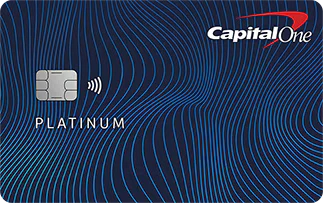
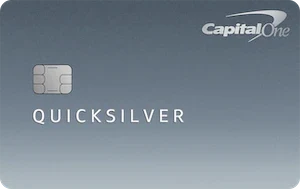
TL;DR: An SSN (Social Security Number) is a nine-digit number issued by the Social Security Administration (SSA) to US citizens, permanent residents, and work-authorized immigrants. An ITIN (Individual Taxpayer Identification Number) is a nine-digit tax-processing number issued by the IRS via Form W-7 to people not eligible for an SSN; it always starts with 9 (format 9XX-XX-XXXX), is tax-only, and carries no work authorization. ITINs are mailed in about 7–11 weeks. Credit-card issuers that accept ITIN include Capital One, American Express, Citi, Wells Fargo, SoFi, and Tomo; Chase and Discover generally require an SSN. Nova Credit (as of 2026) works only with Chase Freedom Unlimited and Chase Freedom Flex, and only for credit history from the UK and Canada — it no longer works with American Express or for other countries. A credit file is created at Experian, TransUnion, or Equifax when an issuer first reports an account under your ITIN or SSN. Switching from ITIN to SSN does NOT reset your credit — you call each issuer to update the tax ID and your full payment history carries over to your SSN file. The Capital One Platinum Secured (refundable deposit of $49, $99, or $200 for a $200 line, $0 annual fee) and Quicksilver are common starting cards for ITIN holders.
SSN vs ITIN at a glance
| Feature | SSN (Social Security Number) | ITIN (Individual Taxpayer Identification Number) |
|---|---|---|
| Issued by | Social Security Administration (SSA) | IRS |
| Who qualifies | US citizens, permanent residents, work-authorized immigrants | People not eligible for an SSN who must file or be claimed on a US tax return |
| Format | XXX-XX-XXXX | 9XX-XX-XXXX (always starts with 9) |
| Purpose | Work authorization + tax + benefits | Tax filing only |
| Authorizes work? | Yes | No |
| How to apply | Form SS-5 at SSA, or via work-visa process | IRS Form W-7 |
| Typical wait | 2–4 weeks | About 7–11 weeks by mail |
| Cost | Free | Free |
| Used to build credit? | Yes | Yes — at ITIN-accepting issuers |
| Accepted by all card issuers? | Yes | No — issuer-dependent |
What is an SSN?
A Social Security Number is the primary identifier the US financial system was built around. The SSA issues it to citizens at birth and to immigrants who have work authorization — green-card holders, H-1B and L-1 workers, and visa holders cleared to work such as F-1 students on OPT.
Because almost every bank, lender, employer, and landlord asks for it, an SSN is the path of least resistance for credit. Every issuer — including the ones that refuse ITINs — accepts an SSN. If you are eligible for one, get it first; it unlocks the widest set of cards, including Chase and Discover products.
How to get an SSN
If you arrived on a work visa, you usually request the SSN as part of your visa paperwork or shortly after arrival. Otherwise you file Form SS-5 with the SSA, present proof of identity and work authorization (passport, visa, EAD card), and receive the card by mail in roughly two to four weeks.
What is an ITIN?
An ITIN exists for one reason: so people who owe US taxes but cannot get an SSN can still file. The IRS issues it. It always begins with 9 and follows the 9XX-XX-XXXX pattern, which is how systems tell it apart from an SSN.
An ITIN does not authorize work, does not grant immigration status, and does not provide Social Security benefits. What it does do — and this surprises many newcomers — is let you apply for credit cards at issuers that accept it, which then report your account to the bureaus and start your US credit file.
Who needs an ITIN
- Spouses and dependents of US citizens or residents who cannot get an SSN
- Foreign nationals with US-source income (rental income, investments)
- Nonresident aliens required to file a US return
- Visa holders without work authorization, such as some F-1, J-1, and H-4 dependents
How to get an ITIN: step by step
- Complete IRS Form W-7 (Application for IRS Individual Taxpayer Identification Number), downloadable from irs.gov.
- Attach a federal tax return in most cases — the W-7 is normally filed together with the return that creates the ITIN need. Certain exception categories (e.g., third-party reporting) skip this.
- Prove identity and foreign status. A valid passport is the single document that satisfies both. Otherwise you combine two documents, such as a national ID plus a birth certificate.
- Submit one of three ways: by mail to the IRS ITIN Operation in Austin, TX; in person at an IRS Taxpayer Assistance Center; or through a Certifying Acceptance Agent (CAA) who verifies your documents so you never mail your original passport.
- Wait about 7–11 weeks for the ITIN to arrive by mail. A CAA or in-person submission can be faster.
How a credit file is actually created
Neither an SSN nor an ITIN creates a credit file by itself. Your file at Experian, TransUnion, and Equifax is born the moment a lender reports your first account. Understanding how FICO scoring works for immigrants — including when your first score appears and how each factor is weighted — will help you build strategically from day one. When an ITIN-friendly issuer approves you and sends your first statement, it reports that tradeline to one or more bureaus under your ITIN. From that point, on-time payments and a low balance build your score exactly as they would for someone using an SSN.
This is why a secured card matters for newcomers. A product like the Capital One Platinum Secured takes a refundable deposit — $49, $99, or $200 for a $200 credit line, with a $0 annual fee — and reports to all three bureaus, so even with no history you can open a file in your first month. Our best secured credit cards guide compares ITIN-friendly options in detail.
Which issuers accept ITIN vs require SSN
| Issuer | ITIN accepted? | Notes |
|---|---|---|
| Capital One | Yes | ITIN listed as valid tax ID across most cards |
| American Express | Yes | Direct; Global Transfer available for existing international Amex cardholders |
| Citi | Yes | ITIN accepted on most consumer cards |
| Wells Fargo | Yes | ITIN accepted; may prefer existing banking relationship |
| SoFi | Yes | ITIN accepted on its credit card |
| Tomo | Yes | Newcomer-focused, no SSN required |
| Chase | No (generally) | SSN required on applications |
| Discover | No (generally) | SSN required on applications |
Nova Credit: now Chase-only, UK and Canada only
As of 2026, Nova Credit no longer partners with American Express. The partnership ended in 2025. Nova Credit now works only with Chase Freedom Unlimited and Chase Freedom Flex, and only for applicants with credit history from the UK or Canada. If you are from the UK or Canada and have an SSN (or can obtain one), you can use Nova Credit to apply for those Chase cards without needing a US credit history.
If you are from India, Mexico, Ukraine, or any other country not listed above, there is no Nova Credit shortcut available. Your options are: (a) start with a secured card at an ITIN-accepting issuer, or (b) if you already hold an active American Express card in your home country, apply via the Amex Global Transfer program — this lets existing international Amex cardholders get a US Amex card without US credit history. Amex Global Transfer is not open to people who do not already have an Amex account abroad.
Starter strategy for newcomers
If you have an SSN
You have the widest field. Start with a no-annual-fee cash-back card such as the Quicksilver or Freedom Unlimited, or a secured card if your file is thin. Pay in full, keep utilization low, and graduate to better cards over time. For a step-by-step walkthrough, see our first US credit card guide.
If you have only an ITIN
Apply at an ITIN-friendly issuer. The Capital One Platinum Secured is a clean entry point because of its low deposit and upgrade path; the Quicksilver earns 1.5% unlimited if you qualify unsecured. If you are from the UK or Canada and have an SSN, Nova Credit can bridge your foreign history to a Chase Freedom Unlimited or Chase Freedom Flex application. Once your score is established, the first-year credit card strategy for new immigrants outlines how to maximize your rewards from there. If you already hold an Amex card in your home country, the Amex Global Transfer program may let you get a US Amex card. Avoid wasting hard inquiries on Chase or Discover (without Nova Credit or an SSN) until you have built some history.
What happens when you switch from ITIN to SSN
This is the question that worries newcomers most, and the answer is reassuring. Moving from an ITIN to an SSN does not erase or restart your credit history.
When you receive your SSN, you call each card issuer and ask them to update the taxpayer identification number on your account from your ITIN to your new SSN. The issuer relinks the account, and your existing payment history — every on-time payment, your account age, your limits — carries over to your SSN-based credit file at the bureaus. Your score does not reset to zero.
Step by step for the switch
- Get your SSN card from the SSA.
- Call (or message in-app) every issuer where you hold an ITIN account and request a tax-ID update to your SSN.
- Update your SSN with your bank and any other lenders.
- Pull your reports at annualcreditreport.com a few weeks later to confirm history merged correctly.
- Now apply for SSN-only cards like Chase and Discover.
Common mistakes
- Assuming an ITIN blocks you from credit. It does not — Capital One, Amex, Citi, Wells Fargo, and SoFi all accept it. Our best credit cards for no US credit history list highlights the top ITIN-friendly options with no credit history required.
- Applying to Chase or Discover with only an ITIN. These generally require an SSN, so you waste a hard inquiry.
- Believing the switch resets your score. It does not; history transfers when you update the tax ID.
- Forgetting to update the tax ID after getting an SSN. If you leave the ITIN on file, your ITIN and SSN histories can fragment. Call each issuer.
- Letting an ITIN expire. ITINs lapse if unused on a tax return for three consecutive years; renew with another W-7.
- Chasing too many cards at once. Multiple hard inquiries in a short window depress a thin file. Start with one or two.
Bottom line
An SSN is the universal key, but an ITIN is far from a dead end. With an ITIN you can open real credit cards at Capital One, American Express, Citi, Wells Fargo, and SoFi, build a genuine file at all three bureaus, and earn rewards exactly like anyone else. A secured card such as the Capital One Platinum Secured, with its $49 minimum deposit and $0 annual fee, is a low-risk way to start. And when your SSN arrives, you keep everything you built — update the tax ID, keep paying on time, and your years of history follow you.
Get weekly card offer alerts
Sunday digest of elevated bonuses. One email, zero spam.
Cards mentioned in this guide
Frequently asked questions
Can I build a US credit score with only an ITIN?
Does switching from an ITIN to an SSN reset my credit history?
Which credit-card issuers require an SSN and will not take an ITIN?
How long does it take to get an ITIN and how much does it cost?
What is Nova Credit and how does it help newcomers without US history?
Related guides
Strategy
Best Credit Cards That Accept ITIN 2026: Complete Guide for Immigrants
12 min
Rules & Mechanics
How to Open a US Bank Account as a Newcomer Without an SSN (2026)
15 min
Card Roundups
Credit Cards for L-1 and O-1 Visa Holders Without an SSN (2026)
15 min
Strategy
Your First US Credit Card With No Credit History: A Step-by-Step 2026 Playbook
15 min
Related news

amex · Jun 25, 2026
Amex Platinum vs Schwab Platinum: the same $895 card, with a cash-out

chase · Jun 10, 2026
Chase Hyatt Transfer Ratio 4:3: What It Means for Sapphire Preferred and Ink Business Preferred

chase · Jun 10, 2026
Chase to Virgin Atlantic: 30% Transfer Bonus — Book Delta Business Class for 18,000 Points

ihg · Jun 10, 2026
IHG Buy Points at 0.5¢ Extended Through June 30 — Best Price for InterContinental Stays