Chase Ink Business Cash Review 2026: 5% Office & Telecom, $0 Fee
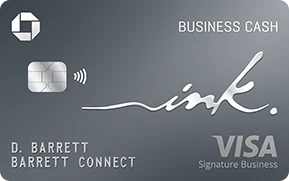
The Chase Ink Business Cash earns 5% at office supply stores and on internet/cable/phone (first $25,000 combined/yr), 2% at gas and restaurants (first $25,000 combined), and 1% on everything else — for a $0 annual fee. Paired with a Chase Ink Business Preferred or a Sapphire, that cash back converts to fully transferable Ultimate Rewards points.
On this page▾

Topic Collection
Part of the Card Reviews Collection
Explore all 60 articles
Quick answer
The Ink Cash is the strongest no-annual-fee business card for office-supply and telecom spend in 2026: 5% cash back at office supply stores and on internet, cable, and phone services on the first $25,000 in combined spend each anniversary year, 2% at gas stations and restaurants on the first $25,000 combined, and 1% on everything else — all for a $0 annual fee. Pair it with a Ink Preferred or a Sapphire and that 5% becomes 5x fully transferable Ultimate Rewards.
TL;DR: The Chase Ink Business Cash earns 5% cash back at office supply stores and on internet, cable, and phone services (first $25,000 combined per anniversary year), 2% at gas stations and restaurants (first $25,000 combined), and 1% on all other purchases. The annual fee is $0 and there is a 3% foreign transaction fee. Rewards are issued as cash back by default but convert to transferable Ultimate Rewards points the moment the account shares a login with a Chase Ink Business Preferred or a Sapphire card. Chase Ink Business cards do not add to your personal 5/24 count, but you must be under 5/24 to be approved.
Earn rates at a glance
| Category | Rate | Cap |
|---|---|---|
| Office supply stores | 5% | First $25,000 combined/yr |
| Internet, cable, phone services | 5% | First $25,000 combined/yr |
| Gas stations | 2% | First $25,000 combined/yr |
| Restaurants | 2% | First $25,000 combined/yr |
| Everything else | 1% | No cap |
The two 5% buckets share one $25,000 annual cap, and the two 2% buckets share a separate $25,000 cap. After a cap is hit, spend in that bucket drops to 1% until your anniversary year resets. Most owner-operators never touch either ceiling — $25,000 in office and telecom spend is a lot of toner and phone bills.
What you earn: the full structure
The 5% categories that define the card
The headline of the Ink Cash is 5% back on two buckets that almost every small business already pays for: office supply stores and combined internet, cable, and phone services. The office-supply category covers Staples, Office Depot, and OfficeMax — and, crucially, those stores sell more than paper. Gift cards to other merchants, prepaid cards, and a surprising range of electronics all code as office supply. That makes the 5% rate a tool, not just a perk: buy a $500 gift card to a merchant you spend at anyway and you have effectively earned 5% there too.
The telecom side is just as valuable because it is recurring. Your business internet line, your VoIP or mobile phone plan, and any cable or streaming-TV service billed to the business all earn 5%. These are bills you pay every month whether you optimize or not, so the 5% is genuinely passive once the card is set as the payment method. For a broader look at how the Ink Cash fits beside the other Ink cards, see the Chase Ink business cards overview.
The 2% categories
Gas stations and restaurants both earn 2%, sharing their own $25,000 combined annual cap. For a business that puts fuel and client meals on plastic, 2% is a respectable floor — though a dedicated dining or gas card can beat it. The value here is consolidation: you do not need a separate card for these everyday categories if your volume is modest.
Everything else earns 1%
Non-bonus spend earns a flat 1%. This is the card's weak spot, and it is why the Ink Cash is best held alongside a flat-rate earner. The Ink Unlimited earns 1.5% on everything with the same $0 annual fee, and the two cards are designed to be held together — one for bonus categories, one for the rest. The Chase Ink Cash vs Unlimited vs Preferred comparison lays out the full decision matrix.
Cash back or transferable points? The pairing trick
By itself the Ink Cash earns cash back. But Chase treats Ultimate Rewards as a single pooled currency across your login. The moment you also hold a card with an annual fee that earns transferable points — a Ink Preferred, Ink Premier, Sapphire Preferred, or Sapphire Reserve — every point this card earns becomes a fully transferable Ultimate Rewards point.
That changes the math entirely. As cash back, 5% is 5%. As transferable points moved to a partner like Hyatt, United, or Air Canada Aeroplan, that same 5x can be worth 7.5% to 10% or more in redemption value — see the Chase Ultimate Rewards program guide for a full walkthrough of how pooling and transfers work. A $25,000 annual office-and-telecom run earns 125,000 points; at a conservative 1.5 cents per point that is $1,875 of travel value from a $0-annual-fee card.
Which card to pair with
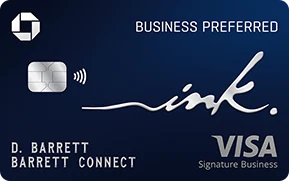
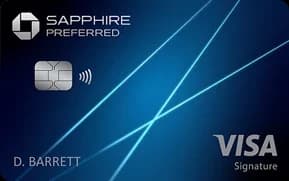
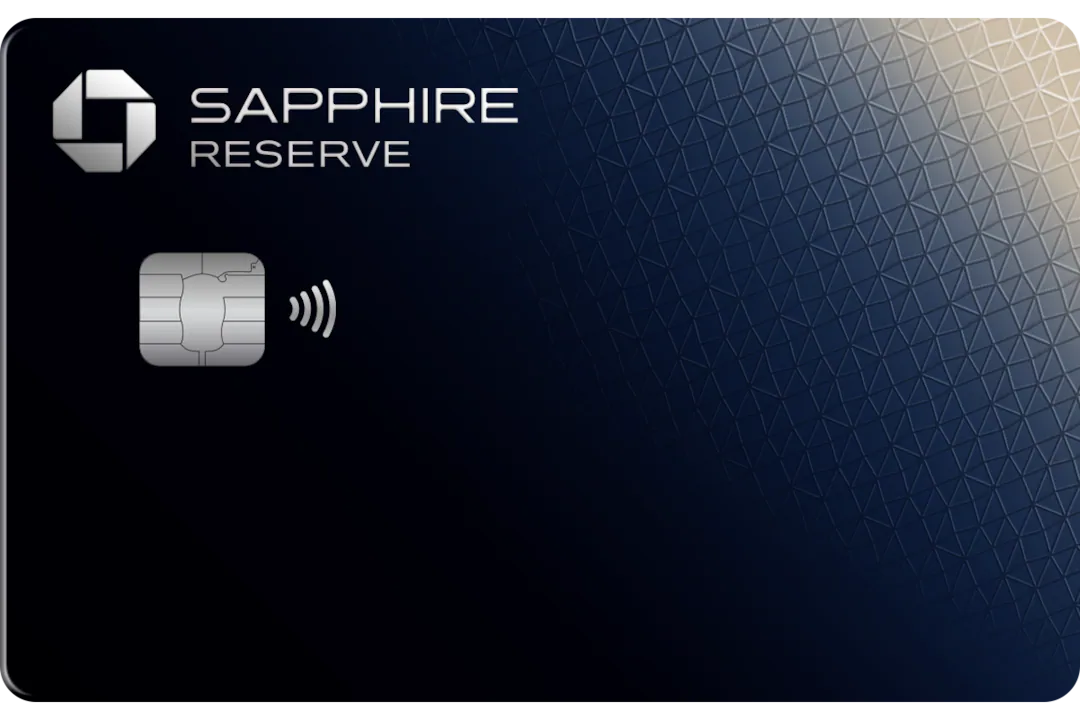
The cheapest path to transferability is the Ink Preferred, which carries a $95 annual fee and earns 3x on travel, shipping, internet/cable/phone, and advertising. If you already hold a Sapphire Preferred or Sapphire Reserve on the personal side, your Ink points pool with those automatically — no extra fee needed on the business side. If you are weighing whether to unlock transferability on the business side or the personal side first, Ink Business Cash vs Sapphire Preferred breaks down which combination pools points faster for your spend mix.
Who it is best for
The Ink Cash fits owner-operators, freelancers, and side-hustlers with real office-supply or telecom spend and a tolerance for the $25,000 caps. If your business spends $1,000 a month on internet, phone, and supplies, that is $12,000 a year at 5% — $600 in cash back or far more in points — for no annual fee. It is also a natural anchor for anyone building the Chase Ink trifecta strategy, since it slots cleanly beside an Ink Unlimited and an Ink Preferred. If you also carry personal Chase cards, the Chase Sapphire trifecta guide shows how to combine business and personal earning stacks.
It is a weaker fit if your spend is concentrated outside its bonus categories, if you regularly exceed the caps, or if you travel abroad often — the 3% foreign transaction fee makes it a poor card overseas.
The 5/24 rule and approval
Chase's 5/24 rule means Chase will generally decline you if you have opened five or more personal credit cards across all issuers in the past 24 months. Business cards from Chase do not report to your personal credit, so this Ink card does not add to your 5/24 count — but you must still be under 5/24 to be approved for it. Plan your application order accordingly: open Chase cards you want before you drift over the limit with cards from other issuers. The Chase 5/24 rule explained details how business cards interact with the rule and the optimal application sequence.
Pros and cons
| Pros | Cons |
|---|---|
| $0 annual fee | $25,000 annual caps on bonus categories |
| 5% on office supply + telecom | 1% on non-bonus spend |
| Points become transferable when paired | 3% foreign transaction fee |
| Does not add to personal 5/24 | Subject to 5/24 for approval |
| Office-supply gift cards unlock 5% elsewhere | Business required to apply |
Bottom line
For a $0 annual fee, the Ink Cash delivers one of the best return profiles in the business-card market — provided your spend lines up with its 5% office-supply and telecom categories. Held alone it is a solid cash-back card; held alongside a Ink Preferred or a Sapphire it becomes a transferable-points machine earning up to 5x on everyday business bills. The caps and the foreign transaction fee are real limits, but for most small operators they rarely bind. If you run a business and are under 5/24, this is close to a must-have anchor card and earns its spot on the best no-annual-fee business credit cards list.
Get weekly card offer alerts
Sunday digest of elevated bonuses. One email, zero spam.
Cards mentioned in this guide
Frequently asked questions
Does the Chase Ink Business Cash have an annual fee?
How do I make the Chase Ink Business Cash earn transferable points?
What is the spending cap on the 5% categories?
Does the Chase Ink Business Cash count against my 5/24?
Should I get the Ink Business Cash or the Ink Business Preferred?
Can sole proprietors and freelancers get the Chase Ink Business Cash?
Related guides
Card Roundups
Chase Ink Business Premier Review 2026
10 min
Card Roundups
Amex Business Gold vs Chase Ink Business Preferred (2026): Full Comparison
12 min
Card Roundups
Chase Ink Business Cash vs Unlimited vs Preferred (2026)
13 min
Card Roundups
The Chase Ink Trifecta: How to Stack Three Business Cards for Maximum UR
10 min
Related news

chase · Jun 2, 2026
Chase Ink Preferred 100K Returns: 2026 Ink Lineup

chase · Jun 10, 2026
Chase Hyatt Transfer Ratio 4:3: What It Means for Sapphire Preferred and Ink Business Preferred

chase · Jun 10, 2026
Chase to Virgin Atlantic: 30% Transfer Bonus — Book Delta Business Class for 18,000 Points

hyatt · Jun 3, 2026
Hyatt Added Perk for Globalists, Explorists and Cardholders
Cards in this ecosystem
Considering switching?