Your First US Credit Card With No Credit History: A Step-by-Step 2026 Playbook
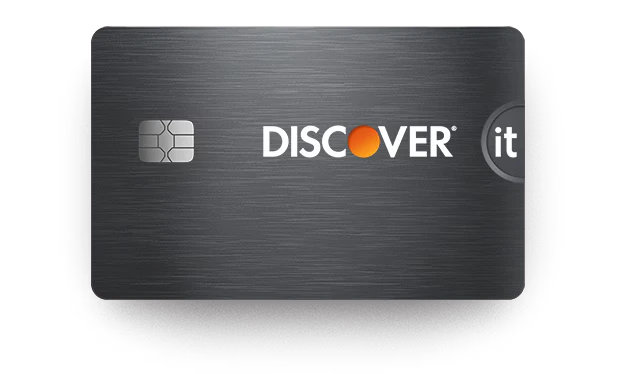
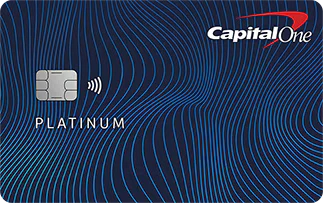
With no US credit history, open a $0-annual-fee secured card you can pre-qualify for with a soft pull — the Discover it Secured ($200 deposit) or Capital One Platinum Secured (deposit from $49). Put $200 down, charge one small bill, pay in full, keep utilization under 10%, and reach ~700 FICO in 12–14 months as the card graduates and refunds your deposit.
On this page▾

Topic Collection
Part of the New to America Collection
Explore all 37 articles
Quick answer
Your fastest path to a first US credit card with zero credit history is a no-annual-fee secured card you can pre-qualify for with a soft pull. For the full newcomer credit-building roadmap, see our complete guide to building US credit as a new immigrant. — usually the Discover it Secured ($200 refundable deposit, $0 annual fee) or the Capital One Platinum Secured (deposit as low as $49 for a $200 line). Put down $200, use the card for one or two small bills, pay the statement balance in full every month, keep utilization under 10%, and you can reach a ~700 FICO score in 12–14 months — at which point your secured card "graduates" and your deposit comes back.
TL;DR: A person with no US credit history can open a first credit card by choosing a secured card requiring a refundable security deposit that becomes the credit line. Top secured picks in 2026: Discover it Secured ($200 minimum deposit = credit line, $0 annual fee, Cashback Match year one, graduation reviews from month 7) and Capital One Platinum Secured ($49/$99/$200 deposit for a $200 line, $0 annual fee, automatic review around 6 months). A FICO score requires at least one account open six months or more with activity; ~700 is reachable in 12–14 months by keeping utilization under 10%, paying in full, and spacing hard inquiries 3–6 months apart. For a full explanation of how FICO scores work for immigrants, see that guide. Starter APRs run roughly 26–30%, so carrying a balance is expensive — always pay in full.
Top first cards at a glance
| Rank | Card | Type | Deposit | Annual fee | Why it ranks here |
|---|---|---|---|---|---|
| 1 | Discover it Secured | Secured | $200 min (= credit line) | $0 | Earns 2% at gas/restaurants (up to $1,000/quarter) +1%, Cashback Match doubles year-one rewards, graduation reviews from month 7 |
| 2 | Capital One Platinum Secured | Secured | $49 / $99 / $200 for a $200 line | $0 | Lowest possible cash out of pocket; automatic credit-line review around 6 months |
| 3 | Quicksilver Secured | Secured | $200 (= credit line) | $0 | 1.5% flat cashback on everything while you build — rare on a secured card |
Secured vs starter (unsecured) cards
There are two doors into the US credit system when you have no file at all. For a side-by-side comparison of how secured and unsecured starter cards differ, see our guide on secured vs unsecured credit cards for newcomers.
Secured cards
A secured card asks for a refundable security deposit before approval. That deposit — typically $200 — usually becomes your credit limit. The deposit sits untouched as collateral; you still pay your bill every month like any normal card. Because the issuer's risk is covered by your cash, approval odds are very high even with no credit history. The Discover it Secured and Capital One Platinum Secured are the two cleanest options: both charge a $0 annual fee and both report to Experian, TransUnion, and Equifax. When you graduate or close the account in good standing, the full deposit is refunded.
Which should you pick?
All three top-ranked cards charge a $0 annual fee, so building credit costs you nothing but discipline. Start with Discover it Secured if you want the best rewards while building. Choose Capital One Platinum Secured if minimizing the upfront deposit matters most. Add Quicksilver Secured as a second card once your score reaches ~670 to stack 1.5% flat cashback alongside your primary card.
Soft-pull pre-qualification: check before you apply
Every formal application triggers a hard inquiry, which can shave a few points off any existing file and stays visible for two years. Before you apply, use the issuer's pre-qualification tool — these run a soft pull that does not affect your score.
- Capital One's pre-approval tool shows whether the Capital One Platinum Secured or Quicksilver Secured is likely before any hard pull.
- Discover offers pre-qualification that previews approval odds for the Discover it Secured.
Pre-qualification is not a guarantee, but it filters out near-certain denials so you don't waste a hard inquiry. Space your hard inquiries 3–6 months apart — clustering applications looks risky to lenders.
Applying with an SSN or ITIN
You do not need a Social Security Number to start US credit. For a full breakdown of the difference between the two and which issuers accept each, read SSN vs ITIN for credit: what newcomers need to know.
- With an SSN: every issuer above accepts you. Enter your SSN on the application; your file is created at the bureaus on first report.
- With an ITIN: Capital One accepts an ITIN (Individual Taxpayer Identification Number, format 9XX-XX-XXXX) in place of an SSN on its applications. The Capital One Platinum Secured is the most ITIN-friendly first card. If you later receive an SSN, you can ask the issuer to merge your history onto it.
- Newcomer from the UK or Canada with home-country credit history: Nova Credit can translate your UK or Canadian credit file into a US-readable report for Chase Freedom Unlimited and Chase Freedom Flex. This shortcut is only available for UK and Canadian credit history — it no longer works with American Express (that partnership ended in 2025) and does not cover history from Mexico, India, or other countries. For newcomers from those countries, secured cards remain the standard path.
Have your government ID, US address, income figure (include all legal household income you can access), and your SSN or ITIN ready before you start.
How much should you put down?
For secured cards, your deposit equals your limit, and your limit drives utilization — the single biggest near-term score lever. For a full explanation of how credit utilization works and how to keep it low, see that guide.
- The minimum is $200 on the Discover it Secured and Quicksilver Secured.
- The Capital One Platinum Secured can open a $200 line for as little as a $49 or $99 deposit if you qualify — the cheapest entry point.
- A $200–$500 deposit is the sweet spot for most newcomers: high enough that keeping utilization under 10% (i.e., a statement balance under $20–$50) is easy, low enough that you're not freezing serious cash.
Don't over-fund hoping for a faster score — paying on time and keeping balances tiny matters far more than a large limit.
Step-by-step: your first 90 days
- Pick one card from the ranked table. Best rewards while building: Discover it Secured. Cheapest deposit: Capital One Platinum Secured. Flat cashback from day one: Quicksilver Secured.
- Run the soft-pull pre-qualification for that card to confirm odds without a hard inquiry.
- Apply with your SSN or ITIN, US address, and income. Fund the deposit ($200, or $49/$99 on the Capital One Platinum Secured).
- Activate the card and set autopay to "full statement balance" the day it arrives. This single setting prevents almost every beginner mistake.
- Put one small recurring bill on it — a streaming subscription or your phone bill, roughly $10–$30/month. That's enough activity to build history without risking high utilization.
- Use nothing else on it for the first 90 days. One predictable charge keeps your reported balance low and steady.
- Let the statement post, then pay in full (autopay handles this). Paying the statement balance, not just the minimum, is what avoids interest at the ~26–30% starter APR.
- Check your score monthly via the issuer's free FICO/VantageScore tracker. Your first FICO score appears once the account has been open and active for about six months. For a full month-by-month breakdown of what to expect, see the newcomer credit score timeline.
Month-by-month timeline to ~700
| Months | What's happening | Your job |
|---|---|---|
| 0–1 | Account opens, deposit posts, first small charge made | Set autopay to full balance; use one small bill only |
| 2–5 | Each on-time payment reports to all 3 bureaus; thin file forming | Keep utilization under 10%; never miss a due date |
| ~6 | First FICO score generates (needs 6+ months of activity); issuer auto-reviews | Do nothing risky; let the history speak |
| 7 | Discover it Secured begins graduation reviews | Keep paying in full; deposit refund may be triggered |
| 8–11 | Score climbing; limit may auto-increase | Consider a second card only if 3–6 months past your last inquiry |
| 12–14 | ~700 FICO reachable; secured card graduates to unsecured, deposit returned | Apply for a no-deposit rewards card if you want one |
When a secured card "graduates" to unsecured
Graduation is when the issuer converts your secured card to a normal unsecured card and refunds your deposit — same account, same number, no new application or hard inquiry, and your history stays intact.
- The Discover it Secured starts automatic graduation reviews from month 7, looking for on-time payments and responsible use.
- The Capital One Platinum Secured runs an automatic review around 6 months.
You can't force graduation, but you make it likely by paying in full every month, never going over limit, and keeping utilization low. If a card hasn't graduated after a year of clean use, a polite call to the issuer can prompt a manual review.
Common mistakes
- Carrying a balance to "build credit." A myth. The card reports your activity whether or not you carry debt — and the ~26–30% starter APR makes carried balances brutally expensive. Pay in full, every time. See the full list of newcomer credit card mistakes to avoid for your first year.
- Maxing out the small limit. A $200 limit means a $190 balance is 95% utilization, which tanks your score. Keep reported balances under 10% — under $20 on a $200 line.
- Applying for three cards at once. Each is a hard inquiry. Space applications 3–6 months apart.
- Paying only the minimum. That avoids a late mark but leaves an interest-bearing balance. Pay the statement balance in full.
- Closing the secured card early. Closing resets your average account age and can drop your score. Wait for graduation, or keep it open after the deposit returns.
- Skipping pre-qualification. A wasted hard inquiry on a card you'd never have been approved for is an avoidable own-goal.
Bottom line
With zero US credit history, the playbook is simple and nearly foolproof: pre-qualify with a soft pull, open a $0-annual-fee secured card like the Discover it Secured or Capital One Platinum Secured — our best secured credit cards ranking has the full comparison — put $200 down, charge one small bill, set autopay to the full statement balance, and keep utilization under 10%. Do that for 12–14 months and a ~700 FICO score plus a graduated, unsecured card with your deposit refunded is the realistic outcome. The hardest part isn't approval — it's patience and never carrying a balance.
Get weekly card offer alerts
Sunday digest of elevated bonuses. One email, zero spam.
Cards mentioned in this guide

Frequently asked questions
How much do I need to deposit for my first secured card?
Can I get a first credit card with an ITIN instead of an SSN?
How long until I have a FICO score and when does my card graduate?
Should I carry a small balance to build credit faster?
Related guides
Related news

amex · Jun 25, 2026
Amex Platinum vs Schwab Platinum: the same $895 card, with a cash-out

chase · Jun 10, 2026
Chase Hyatt Transfer Ratio 4:3: What It Means for Sapphire Preferred and Ink Business Preferred

chase · Jun 10, 2026
Chase to Virgin Atlantic: 30% Transfer Bonus — Book Delta Business Class for 18,000 Points

ihg · Jun 10, 2026
IHG Buy Points at 0.5¢ Extended Through June 30 — Best Price for InterContinental Stays