Best Cards for Sending Money Home 2026: Remittances & FX for Newcomers
The cheapest way to send money home in 2026 is to fund the transfer from a bank account or debit card via Wise or Remitly — not a credit card, which is coded as a cash advance with a 3–5% fee plus immediate interest. Keep a no-foreign-transaction-fee card for spending abroad and compare services by total cost = fee + FX margin.
On this page▾
Topic Collection
Part of the New to America Collection
Explore all 37 articles
Quick answer
The cheapest way to send money home in 2026 is to fund a remittance from a bank account or debit card through Wise or Remitly — not with a credit card, because card-funded transfers are usually coded as a cash advance with a 3–5% fee plus immediate interest. Keep a no-foreign-transaction-fee card like Quicksilver for spending abroad, and judge every transfer by total cost = transfer fee + FX margin, not the headline fee alone.
TL;DR: Funding a remittance, wire, or money-transfer app with a credit card is almost always treated as a cash advance: a fee of roughly 3–5% of the amount, a higher cash-advance APR, and no grace period (interest starts the same day). To send money home cheaply, fund with a linked bank account (ACH) or debit card and use a low-margin service. Wise and Remitly use near-mid-market exchange rates with transparent up-front fees; Western Union and Xoom are widely available but often bake a larger markup into the rate. A no-foreign-transaction-fee credit card such as Quicksilver saves about 3% when you swipe a card abroad, but it is not a tool for sending money. Always compare total cost = fee + FX margin across at least two services before sending.
Remittance services at a glance
| Service | Typical fee | FX margin vs mid-market | Speed |
|---|---|---|---|
| Wise | $0.50–1% of amount | ~0.3–0.6% | Minutes to 1 day |
| Remitly (Economy) | $0–3.99 flat | ~0.5–1.5% | 3–5 days |
| Remitly (Express) | $3.99 flat | ~0.5–1.5% | Minutes |
| Xoom (PayPal) | $0–5 flat | ~1–3% | Minutes to hours |
| Western Union | $0–10+ | ~1–4% | Minutes to days |
Figures are representative for 2026 and vary by corridor, amount, and payout method (bank deposit vs cash pickup). Always run your exact amount and destination through each app before sending — the cheapest service changes by country.
Why a credit card is the wrong way to fund a transfer
Here is the trap newcomers fall into. You link a credit card to a remittance app to earn rewards, and the transfer goes through — but your statement later shows a cash advance. Most card issuers and most money-transfer services classify "loading" money (a transfer, a wire, a P2P cash-out) as a cash advance rather than a purchase.
A cash advance is the most expensive way to use a credit card:
- A cash-advance fee of about 3–5% of the amount (commonly a 5% fee with a $10 minimum). Send $1,000 and you may pay $50 before any exchange rate is even applied.
- A higher cash-advance APR, often several points above your purchase APR.
- No grace period. Interest starts accruing the day the advance posts, even if you pay your statement in full. There is no "pay it off and avoid interest" with a cash advance.
- No rewards. Cash advances rarely earn cashback or points, so the rewards you hoped to capture do not exist.
Add the cash-advance fee to the service fee and the FX margin and a "free" remittance can quietly cost 7–10% of what you sent. That is the opposite of the goal.
The fix: fund every transfer with a linked bank account (ACH) or a debit card. Both are treated as ordinary funding, with no cash-advance fee and no special interest. Wise, Remitly, and Xoom all let you pay by bank account or debit card. If you are just getting started in the US, the first year credit card strategy for new immigrants explains how to build credit while keeping transfer costs low.
The role of no-foreign-transaction-fee cards
A no-foreign-transaction-fee (no-FTF) credit card is a different tool for a different job. It does not send money home — it saves you money when you spend in another currency, either traveling abroad or buying from an overseas merchant online. Newcomers will find tailored options in the no-FTF cards for newcomers guide.
Most US credit cards add a 3% foreign transaction fee on every purchase made in a non-US currency. A no-FTF card removes that, so a $500 hotel charge abroad costs $500 instead of $515. Cards with no foreign transaction fee that newcomers can realistically get include:
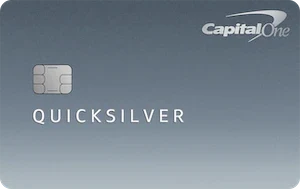
- Quicksilver — no foreign transaction fee, 1.5% flat cashback, no annual fee.
- SavorOne — no foreign transaction fee, strong dining and grocery cashback.
- Capital One Platinum Secured — no foreign transaction fee on a secured starter card, useful before you have a credit history.
- Discover it Secured — a secured card that also waives foreign transaction fees.
Keep this clear in your head: a no-FTF card is for swiping abroad, a remittance app is for sending money home. They never substitute for each other.
How the services compare
Wise
Wise shows the actual mid-market rate and charges a visible fee, usually a small flat amount plus a percentage. The FX margin is among the lowest in the market — often around 0.3–0.6%. It is the default choice for bank-to-bank transfers and for people who want to see exactly what they pay. Fund it with a bank account for the lowest cost; debit works too.
Remitly
Remitly is built for remittances specifically and supports cash pickup in many countries. It offers two speeds: Economy (cheaper, slower, often free) and Express (a flat fee, near-instant). New customers frequently get a promotional rate on the first transfer. Compare the post-promo rate before making it your regular service.
Xoom (PayPal)
Xoom is convenient if you already use PayPal and want fast bank deposit or cash pickup. Fees can be low, but the exchange-rate markup is sometimes larger than Wise, so check the total.
Western Union
Western Union has the widest physical agent network, which matters when the recipient needs cash in hand in a town without easy bank access. The trade-off is a markup baked into the rate that can be larger than app-first services. For digital bank-to-bank transfers, an app like Wise is usually cheaper; for cash pickup in a remote area, Western Union's reach can win.
Step-by-step: send money home at the lowest cost
- Pick the corridor and payout method. Decide the destination country and whether the recipient gets a bank deposit or cash pickup — this changes which service is cheapest.
- Get quotes from at least two services for your exact amount. Note both the fee and the rate you are offered.
- Compute total cost = fee + FX margin. Multiply your amount by each service's rate to see how much actually arrives, then add the fee. The service that delivers the most money to the recipient wins — ignore the headline "no fee" banner.
- Fund with a bank account (ACH) or debit card. Never fund with a credit card, to avoid the cash-advance fee and interest.
- Set up recurring transfers if the amount is regular. Some services discount repeat or scheduled transfers. The newcomer 90-day financial checklist walks through how sending money home fits into your broader first-year financial plan.
- Save your no-FTF card for travel, so any in-person or online spending abroad avoids the 3% foreign transaction fee.
Funding comparison: debit vs credit vs bank
| Funding method | Cash-advance fee? | Interest | Best for |
|---|---|---|---|
| Linked bank account (ACH) | No | None | Lowest cost, larger transfers |
| Debit card | No | None | Speed with no cash-advance risk |
| Credit card | Usually yes (3–5%) | Immediate, high APR | Avoid for transfers |
Common mistakes
- Funding a transfer with a credit card to chase points. The cash-advance fee and same-day interest erase any rewards. Use a bank account or debit card.
- Judging a service by its fee alone. A "$0 fee" transfer with a 3% rate markup costs more than a $4 fee with a 0.4% markup. Compare total cost.
- Using a remittance app to pay an overseas merchant. For buying things abroad, swipe a no-FTF card instead — it is simpler and avoids transfer fees entirely.
- Treating the first-transfer promo rate as permanent. Promo rates expire. Re-check the standard rate before you commit to a service long-term.
- Carrying a foreign-transaction-fee card overseas. A 3% fee on every swipe adds up fast; a no-FTF card like Quicksilver removes it.
Bottom line
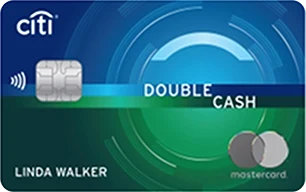
To send money home cheaply, fund the transfer from a bank account or debit card — never a credit card, which triggers a 3–5% cash-advance fee plus immediate interest. Compare at least two services by total cost = fee + FX margin, not the advertised fee; Wise and Remitly usually deliver the most money for digital transfers, while Western Union wins on cash-pickup reach. Keep a no-foreign-transaction-fee card such as Quicksilver or Double Cash purely for spending abroad, where it saves about 3% per swipe. Two different tools, two different jobs — using each correctly is how you keep more of your money on both sides of the border. For a complete picture of building credit as a new arrival, see how to build US credit as a new immigrant.
Get weekly card offer alerts
Sunday digest of elevated bonuses. One email, zero spam.
Cards mentioned in this guide
Frequently asked questions
Can I use a credit card to send money home through a remittance app?
Which is cheaper for sending money home, Wise or Western Union?
Does a no-foreign-transaction-fee card help with sending money home?
What is the FX margin and why does it matter more than the fee?
Should I fund a remittance with a debit card or a bank account?
Related guides
Card Roundups
Best No-Annual-Fee Starter Credit Cards for Newcomers in 2026
11 min
Card Roundups
Best Cashback Cards for Budget-Conscious Newcomers in 2026
11 min
Rules & Mechanics
Does Carrying a Small Balance Help Your Score? The Myth, Debunked
9 min
Rules & Mechanics
Statement Date vs Due Date: The Billing Cycle, Finally Explained
9 min
Related news

amex · Jun 25, 2026
Amex Platinum vs Schwab Platinum: the same $895 card, with a cash-out

chase · Jun 10, 2026
Chase Hyatt Transfer Ratio 4:3: What It Means for Sapphire Preferred and Ink Business Preferred

chase · Jun 10, 2026
Chase to Virgin Atlantic: 30% Transfer Bonus — Book Delta Business Class for 18,000 Points

ihg · Jun 10, 2026
IHG Buy Points at 0.5¢ Extended Through June 30 — Best Price for InterContinental Stays