Newcomer's First 90 Days: A Financial Setup Checklist (2026)
A newcomer's first 90 days should follow a strict order: get an SSN or ITIN, open a checking and savings account (no SSN legally required), secure a US phone and address, apply for a $0-annual-fee secured card like the Discover it Secured ($200 deposit) or Capital One Platinum Secured (deposit from $49), set autopay to the full statement balance, add phone/utility payments via Experian Boost, get a state ID at the DMV, and track your score. Keep utilization under 10%; your first FICO appears after about six months.
On this page▾

Topic Collection
Part of the New to America Collection
Explore all 37 articles
Quick answer
The correct order of operations for a newcomer's first 90 days is: get an SSN or ITIN, open a checking and savings account, lock down a US phone number and mailing address, apply for a first secured card, set autopay to the full statement balance, add a utility or phone payment that can report to credit, get a state ID or driver's license, and then track your first score. Do these in sequence, not all at once — each step unlocks the next. A no-fee secured card like the Discover it Secured ($200 refundable deposit) or the Capital One Platinum Secured (deposit from $49) is the credit anchor. Keep utilization under 10%, pay in full every month, and your first FICO score appears after about six months of activity. For the full picture on building US credit as a new immigrant, the mega-hub guide covers every stage from thin file to approval-ready.
TL;DR: A newcomer to the United States should set up their financial life in this order during the first 90 days. (1) Obtain an SSN from the Social Security Administration, or an ITIN from the IRS using Form W-7 if not eligible for an SSN. (2) Open a checking and savings account — a passport plus a secondary ID is enough; an SSN is not legally required to open a bank account. (3) Secure a US phone number and a stable mailing address. (4) Apply for a first secured credit card: Discover it Secured ($200 minimum deposit, $0 annual fee) or Capital One Platinum Secured ($49/$99/$200 deposit, $0 annual fee). (5) Set autopay to the full statement balance so you never miss a payment. (6) Add phone, utility, or streaming payments to your Experian file via Experian Boost. (7) Get a state ID or driver's license at the DMV. (8) Track your score monthly. A FICO score appears after roughly six months with one active account; keep utilization under 10% and pay in full.
The first 90 days at a glance
The biggest mistake newcomers make is doing everything in the wrong order — applying for a card before they have an address, or chasing a credit score before they have an account that can build one. Below is the week-by-week sequence that works.
| Week | Step | What you do | Why it matters |
|---|---|---|---|
| 1 | SSN or ITIN | Apply for an SSN at the Social Security Administration, or file IRS Form W-7 for an ITIN | Your taxpayer ID anchors banking, credit, and taxes |
| 1–2 | Bank account | Open checking + savings with a passport and secondary ID | A bank account is required before any card; no SSN legally needed |
| 2 | Phone + address | Get a US phone number and a stable mailing address | Applications need both; an address must be consistent |
| 3–4 | First secured card | Apply for the Discover it Secured or Capital One Platinum Secured | Starts your credit file with reporting to all 3 bureaus |
| 4 | Autopay | Set autopay to "full statement balance" the day the card arrives | One setting prevents almost every late payment |
| 5–6 | Utilities reporting | Add phone/utility/streaming via Experian Boost | Adds positive data to your Experian file early |
| 6–8 | State ID / license | Visit the DMV for a state ID or driver's license | A core US identity document for daily life |
| 8–12 | Track your score | Check your free FICO/VantageScore monthly | Your first FICO appears around month 6 |
Week 1: Get your SSN or ITIN
Your taxpayer ID is the keystone. Everything else — banking, credit, taxes — attaches to it.
If you are eligible for an SSN
Most work-authorized newcomers (green card holders, H-1B, L-1, refugees, many visa categories) can get a Social Security Number from the Social Security Administration (SSA). Apply in person at a local SSA office with your passport, immigration documents, and work authorization. The card arrives by mail, usually within two weeks. Your SSN is the cleanest path because every bank and card issuer accepts it.
If you are not eligible for an SSN
If you can't get an SSN, you apply for an ITIN (Individual Taxpayer Identification Number) from the IRS using Form W-7. An ITIN lets you file taxes and — importantly — lets you apply for ITIN-friendly credit cards. Capital One and several other issuers accept an ITIN in place of an SSN. Don't wait on an ITIN to open a bank account, though: you can usually open one first. See the SSN vs. ITIN guide for newcomers for a detailed comparison of what each ID unlocks for credit applications.
Week 1–2: Open a checking and savings account
You do not legally need an SSN to open a US bank account. Federal rules require banks to verify your identity, and a passport plus a secondary ID (such as a foreign driver's license, consular ID, or a US visa) satisfies that. Some banks ask for an SSN or ITIN for tax reporting, but many accept a passport alone or let you add the number later.
- Open both a checking account (for daily spending and bills) and a savings account (for your secured-card deposit and emergency cash).
- Pick a bank that fits newcomers — large national banks and several online banks have explicit no-SSN onboarding flows.
- Fund the account so you can later post a secured-card deposit and run autopay from it.
A working bank account is a hard prerequisite for the next steps: card applications, autopay, and utility billing all draw from it. The how to open a US bank account as a newcomer without an SSN guide lists specific banks with newcomer-friendly onboarding flows.
Week 2: Lock down a phone number and address
Two small things unblock everything that follows.
- US phone number: Card and bank fraud systems text verification codes to a US number. Get a postpaid or prepaid US line early. A postpaid phone plan in your name also becomes a payment you can later report to credit.
- Stable mailing address: Your physical card, statements, and ID all mail to a fixed address. Use the same address consistently across every application — mismatched addresses are the most common cause of fraud holds and declines.
Week 3–4: Apply for your first secured card
With an ID, a bank account, a phone, and an address in place, you're ready for your credit anchor. A secured card asks for a refundable security deposit that becomes your credit line, so approval odds are very high even with no US credit history. The best secured credit cards for 2026 and the secured vs. unsecured credit card comparison can help you decide which product fits your situation before you apply.
| Card | Deposit | Annual fee | Why it fits a newcomer |
|---|---|---|---|
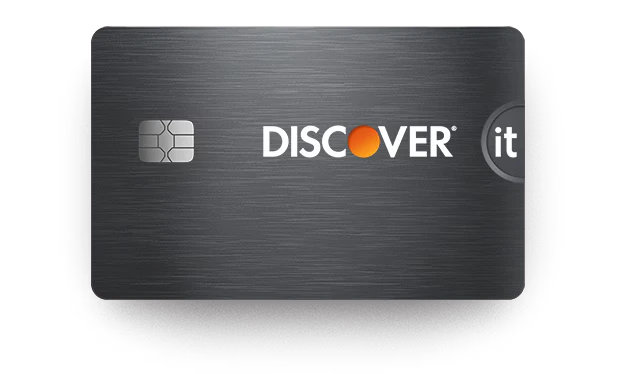
| Discover it Secured | $200 minimum (= credit line) | $0 | Reports to all 3 bureaus, Cashback Match doubles year-one rewards, graduation reviews from month 7 |
| Capital One Platinum Secured | $49 / $99 / $200 for a $200 line | $0 | Lowest cash out of pocket; ITIN-friendly; auto-review around month 6 |
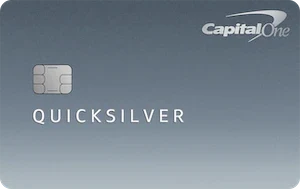
| Quicksilver | None (unsecured) | $0 | A goal card once your file matures — 1.5% flat cashback |
Both secured options charge a $0 annual fee and report to Experian, TransUnion, and Equifax. Put down the deposit, charge one small recurring bill, and keep your reported balance tiny.
Week 4: Set autopay to the full statement balance
The single most valuable setting on your new card is autopay set to the full statement balance. Do it the day the card arrives.
Payment history is the largest factor in your score, and one missed payment can undo months of work. Autopay to the full balance — not the minimum — also avoids the punishing ~26–30% starter APR. Paying the statement balance in full means you never carry interest while still building a perfect payment record.
Week 5–6: Add utilities and phone that can report to credit
Your secured card builds credit, but you can add more positive data faster. Experian Boost lets you connect your bank account and count on-time phone, utility, and streaming payments toward your Experian credit file — payments that normally don't report at all.
- Link the bank account you pay bills from.
- Boost scans for qualifying phone, electric, gas, water, and streaming payments.
- Approved payments are added to your Experian file, which can lift your Experian score quickly.
Note this affects your Experian file specifically, not TransUnion or Equifax — but it's free positive data that helps early when your file is thin.
Week 6–8: Get a state ID or driver's license
A state ID or driver's license from the DMV is the identity document US daily life runs on — renting an apartment, domestic flights, age verification, and many account openings. Bring your passport, immigration documents, proof of address (a lease or a utility bill in your name), and your SSN or proof of ineligibility. Requirements vary by state, so check your DMV's document list before you go.
Week 8–12: Track your first score
You can't build what you don't measure. Use the free FICO or VantageScore tracker built into your card issuer's app and bank app.
- Your first FICO score appears after about six months with one active account, and how credit scores work for US immigrants explains the five factors that drive your number.
- A clean 90 days — on-time autopay, utilization under 10% — sets up that first score to land well.
- Check monthly, watch for errors, and don't apply for anything new until your file is established.
Step-by-step: the exact sequence
- Apply for an SSN at the SSA, or file Form W-7 for an ITIN if you're not SSN-eligible.
- Open a checking and savings account with your passport and a secondary ID — no SSN legally required.
- Get a US phone number and fix a stable mailing address you'll use on every application.
- Apply for a first secured card — the Discover it Secured ($200) or Capital One Platinum Secured (deposit from $49).
- Set autopay to the full statement balance the day the card arrives.
- Charge one small recurring bill (a $10–$30/month subscription or your phone bill) and nothing else for 90 days.
- Add phone/utility/streaming payments via Experian Boost to pad your Experian file.
- Get a state ID or driver's license at the DMV with your address proof.
- Track your score monthly and wait for your first FICO around month 6.
Common mistakes
- Applying for a card before you have an address. Card mail and fraud checks need a fixed address. Settle that first.
- Waiting on an SSN to open a bank account. You don't need one — a passport plus secondary ID is enough. Open the account now.
- Skipping autopay. A single missed payment is the most damaging early mistake. Set autopay to the full balance immediately.
- Maxing out a small limit. A $200 limit means a $190 balance is 95% utilization, which tanks your score. Keep reported balances under 10% — under $20 on a $200 line. The credit utilization guide for newcomers explains exactly how the bureaus calculate and report this number.
- Carrying a balance to "build credit." A myth. The card reports your activity either way, and the ~26–30% APR makes carried balances expensive. Pay in full.
- Applying for several cards at once. Each is a hard inquiry. Build with one card, then space new applications 3–6 months apart. The newcomer credit card mistakes to avoid in year one covers this and a dozen other costly missteps in one place.
Bottom line
A newcomer's first 90 days work best as a sequence, not a scramble: SSN or ITIN, then a checking and savings account, then a phone and address, then a single $0-annual-fee secured card like the Discover it Secured or Capital One Platinum Secured, then autopay to the full statement balance, then Experian Boost, then a state ID, and finally score tracking. Put $200 down, charge one small bill, never miss a payment, and keep utilization under 10%. Do that, and a real US financial identity — bank, card, ID, and a first FICO score around month 6 — is the realistic outcome.
Get weekly card offer alerts
Sunday digest of elevated bonuses. One email, zero spam.
Cards mentioned in this guide
Frequently asked questions
What is the right order to set up my finances as a newcomer?
Do I need an SSN to open a US bank account?
Can phone and utility payments help build my credit?
When will I get my first credit score after arriving?
Related guides
Strategy
How to Build US Credit as Immigrant: The 18-Month Roadmap
17 min
Rules & Mechanics
How to Open a US Bank Account as a Newcomer Without an SSN (2026)
15 min
Rules & Mechanics
SSN vs ITIN for Credit: What Newcomers Need to Know (2026)
14 min
Strategy
Your First US Credit Card With No Credit History: A Step-by-Step 2026 Playbook
15 min
Related news

amex · Jun 25, 2026
Amex Platinum vs Schwab Platinum: the same $895 card, with a cash-out

chase · Jun 10, 2026
Chase Hyatt Transfer Ratio 4:3: What It Means for Sapphire Preferred and Ink Business Preferred

chase · Jun 10, 2026
Chase to Virgin Atlantic: 30% Transfer Bonus — Book Delta Business Class for 18,000 Points

ihg · Jun 10, 2026
IHG Buy Points at 0.5¢ Extended Through June 30 — Best Price for InterContinental Stays