Best No-Foreign-Transaction-Fee Credit Cards for Newcomers 2026
A newcomer who travels home or shops internationally should carry a no-foreign-transaction-fee card: every Capital One card (Quicksilver earns 1.5% cashback at $0 annual fee) and every Discover card waives the ~3% fee entirely, while the premium Amex Gold ($325 annual fee) does too. Note: as of 2026, Nova Credit no longer works with Amex — UK/Canada newcomers can use Nova Credit for Chase Freedom Unlimited or Chase Freedom Flex instead. On a $3,000 trip home, that fee would otherwise cost $90 — and most US debit cards charge it, so always check before traveling.
On this page▾
Topic Collection
Part of the New to America Collection
Explore all 37 articles
Quick answer
The best no-foreign-transaction-fee credit cards for newcomers in 2026 are the Quicksilver and Discover it Cash Back as starters, and the Amex Gold as a premium pick. Every Capital One card and every Discover card waives the foreign transaction fee entirely, so a newcomer who flies home or shops on international sites stops losing roughly 3% on every charge. If you travel home even once a year, a no-FTF card pays for itself.
TL;DR: A foreign transaction fee (FTF) is a surcharge — typically ~3% of each purchase — that a US card adds when you buy in a foreign currency or from a merchant processed abroad. Capital One charges NO foreign transaction fee on any of its cards (Quicksilver earns 1.5% cashback at $0 annual fee). Discover charges no FTF on the Discover it Secured and Discover it Cash Back. American Express Gold has no FTF, earns 4x dining and 4x at US groceries, and carries a $325 annual fee. As of 2026, Nova Credit no longer works with Amex — newcomers from the UK or Canada can use Nova Credit to apply for the Chase Freedom Unlimited or Chase Freedom Flex instead. Most US debit cards and many starter credit cards DO charge ~3% FTF — always check before traveling. On a $3,000 trip home, a 3% FTF costs $90.
Best no-FTF cards at a glance
| Card | Annual Fee | Foreign Transaction Fee | Best for |
|---|---|---|---|
| Quicksilver | $0 | $0 (none) | Best overall starter — 1.5% flat cashback, no FTF |
| Discover it Cash Back | $0 | $0 (none) | Best rotating cashback with no FTF |
| Discover it Secured | $0 | $0 (none) | Best secured card with no FTF for no-credit newcomers |
| SavorOne | $0 | $0 (none) | Best dining and grocery rewards, no FTF |
| Quicksilver Secured | $0 | $0 (none) | Best secured flat-cashback, no FTF, upgrade path |
| Amex Gold | $325 | $0 (none) | Best premium for frequent travelers (Global Transfer for existing Amex holders) |
What is a foreign transaction fee?
A foreign transaction fee is a charge your card issuer adds whenever a purchase is made in a currency other than US dollars, or whenever the merchant processes the payment through a bank outside the United States. The standard rate is around 3% of the transaction amount. It is split between the card network (Visa or Mastercard, usually ~1%) and the issuing bank (~2%), but you see it as a single line on your statement — for a full roundup of every top option, see the best credit cards with no foreign transaction fees for 2026.
The fee applies in two situations newcomers run into constantly:
- Traveling home. Every hotel, restaurant, taxi, and store charge in your home country triggers the fee.
- Shopping on international websites. Even from your couch in the US, buying from a store that bills in euros, pesos, rupees, or hryvnia can trigger the fee — the charge does not have to happen on foreign soil, only in foreign currency or through a foreign processor.
The fee is separate from the exchange rate. Visa and Mastercard already apply a wholesale exchange rate that is close to the mid-market rate, which is fair. The FTF is an extra surcharge stacked on top of that conversion.
How much does a 3% fee actually cost?
Three percent sounds small until you add up a full trip. Here is what a single FTF card costs versus a no-FTF card on common spending:
| Spending abroad | 3% FTF card | No-FTF card | You lose |
|---|---|---|---|
| $500 weekend visit | $15 | $0 | $15 |
| $1,500 two-week trip | $45 | $0 | $45 |
| $3,000 trip home | $90 | $0 | $90 |
| $8,000 a year of intl. spend | $240 | $0 | $240 |
On a $3,000 trip home, a 3% fee quietly takes $90 — money you would rather keep. For a newcomer who flies home once or twice a year and shops international sites in between, the annual cost of carrying the wrong card easily clears $200. A no-FTF card with even 1.5% cashback flips that: instead of losing 3%, you earn 1.5% back, a 4.5-point swing on every foreign dollar.
Most US debit cards charge a foreign transaction fee
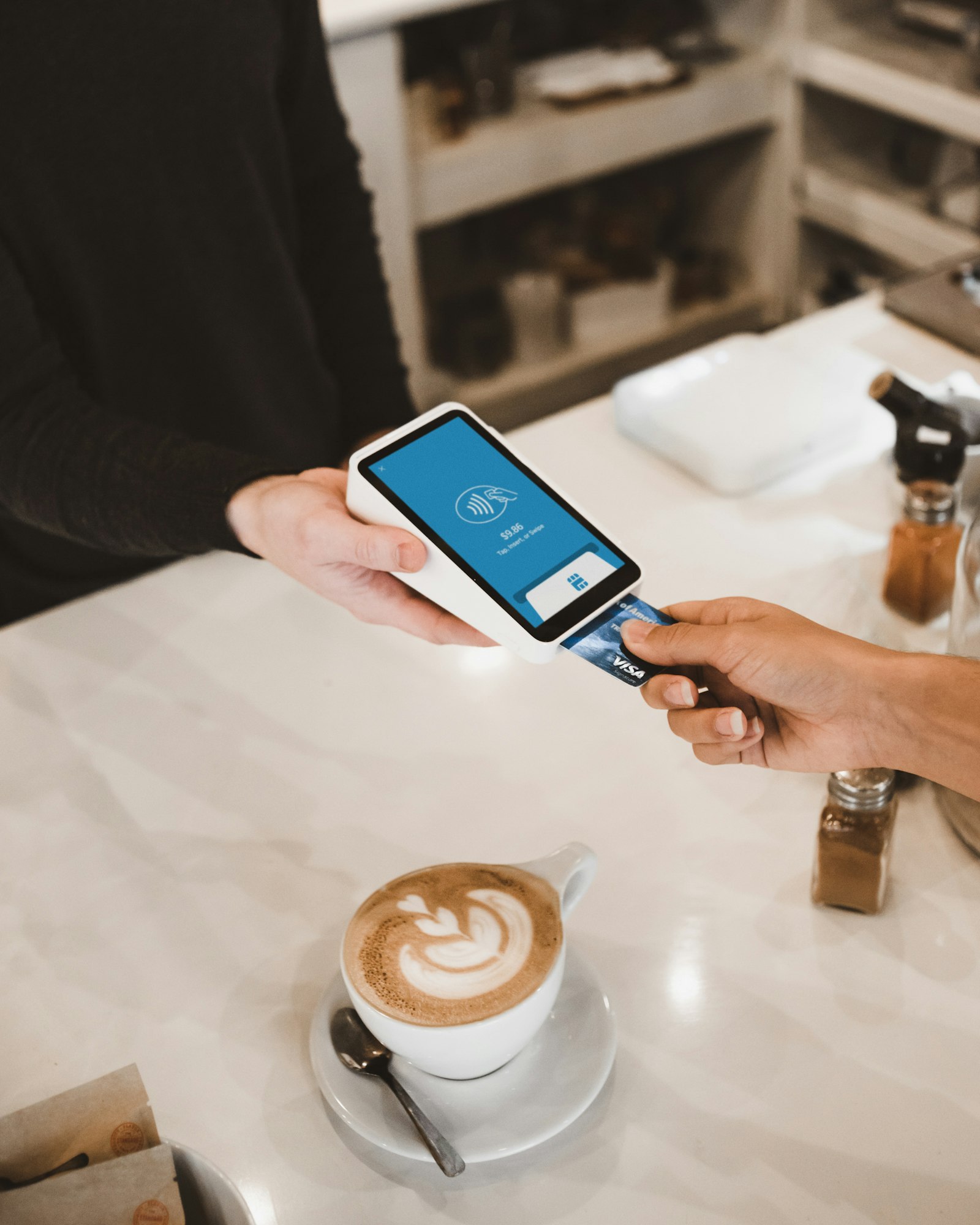
A trap that catches almost every newcomer: your bank debit card is usually the worst card to use abroad. Most US checking-account debit cards charge a foreign transaction fee of around 3%, and many also add a flat ATM withdrawal fee on top. Because the debit card is the first card most newcomers receive, people instinctively reach for it overseas and pay the fee without realizing a no-FTF credit card was sitting in their wallet the whole time.
Before any trip, check your debit card's fee schedule. If it charges an FTF — most do — use a no-FTF credit card for purchases instead, and pay it off from the same checking account.
Ranked: best no-FTF cards for newcomers
1. Capital One Quicksilver — best overall starter
The Quicksilver is the cleanest no-FTF starter for a newcomer. It earns 1.5% unlimited cashback on every purchase, charges a $0 annual fee, and — like every Capital One card — charges no foreign transaction fee at all. Capital One also accepts ITIN applications, so newcomers without an SSN can apply.
For someone who travels home and wants one simple card that never penalizes a foreign purchase, this is the default choice. There is no category to track and no fee to recoup — for more context on how it fits into an overall credit-building plan, see how to build US credit as a new immigrant.
2. Discover it Cash Back — best rotating rewards, no FTF
The Discover it Cash Back charges no foreign transaction fee and adds 5% cashback in rotating quarterly categories (on up to a spending cap, after activation) plus 1% everywhere else. Discover also runs a Cashback Match for new cardholders, doubling all cashback earned in the first year. Discover acceptance is thinner outside the US than Visa or Mastercard, so pair it with a Capital One Visa for travel and use Discover for US and online spending.
3. Discover it Secured — best secured no-FTF card
If you have no US credit history yet, the Discover it Secured is the no-FTF secured option. You put down a refundable security deposit that sets your limit, earn cashback (2% at gas and restaurants on a quarterly cap, 1% elsewhere), and pay no foreign transaction fee. Discover reviews the account and can return your deposit and graduate you to an unsecured card. It is one of the few secured cards that earns rewards and waives the FTF at the same time — the best secured credit cards for 2026 shows how it compares to every other secured option.
4. Capital One SavorOne — best dining and groceries, no FTF
The SavorOne earns 3% on dining, groceries, entertainment, and streaming, 1% elsewhere, with a $0 annual fee and — being a Capital One card — no foreign transaction fee. For a newcomer who eats out and travels, this combines strong everyday categories with fee-free foreign spending. Like other Capital One cards, it accepts ITIN.
5. Capital One Quicksilver Secured — best secured flat cashback
The Quicksilver Secured pairs a refundable deposit with 1.5% flat cashback and no foreign transaction fee. It is the secured sibling of the Quicksilver, built for newcomers establishing credit who still want fee-free foreign purchases and a clear path to upgrade to the unsecured Quicksilver.
6. Amex Gold — best premium for travelers
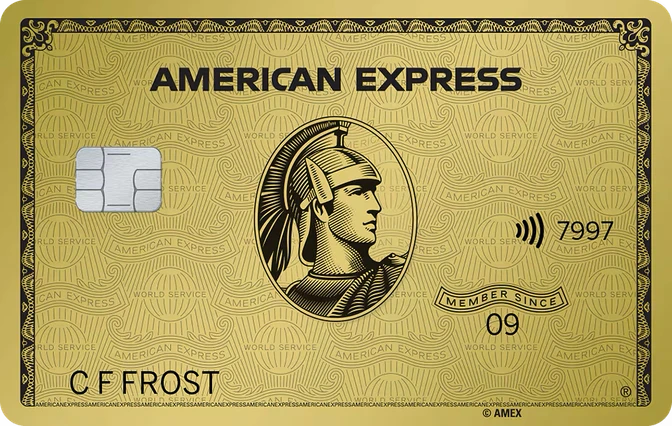
The Amex Gold is the premium pick. It charges no foreign transaction fee, earns 4x Membership Rewards points on dining worldwide and 4x at US supermarkets, and carries a $325 annual fee. The fee is real, so this card earns its place only if you spend heavily on food and travel. Note for newcomers: the American Express × Nova Credit partnership ended in 2025 — Nova Credit no longer works with Amex. If you already held an Amex card in your home country, you may qualify through the Amex Global Transfer program instead. Otherwise, build credit through a Capital One or Discover starter card first. If you are looking for a travel card with a lower annual fee and strong rewards, the Capital One Venture review covers a popular mid-tier alternative.
Step-by-step: pick and use a no-FTF card
- Audit what you have. Check whether your current debit and credit cards charge a foreign transaction fee — read the fee schedule or search the cardmember agreement for "foreign transaction."
- Get one no-FTF card. If you are building credit, start with the Quicksilver or, if you have no history, the Discover it Secured. If you already held an Amex card in your home country, explore the Amex Global Transfer program for the Amex Gold. If you are from the UK or Canada, Nova Credit can help you apply for the Chase Freedom Unlimited or Chase Freedom Flex using your home credit history.
- Prefer Visa or Mastercard for travel. Capital One runs on Visa or Mastercard, which are accepted far more widely abroad than Discover or Amex.
- Always pay in local currency. When a foreign terminal asks "pay in USD or local currency?", choose local. Choosing USD triggers "dynamic currency conversion," a worse exchange rate the merchant pockets — separate from and on top of any FTF.
- Pay the balance in full. A no-FTF card only saves money if you avoid interest. Pay the statement from your US checking account each month — the credit card strategy for your first year as a new immigrant explains how to sequence your cards and spending as your credit file matures.
Common mistakes
- Using a debit card abroad. Most US debit cards charge ~3% FTF plus ATM fees. Reach for a no-FTF credit card instead.
- Assuming all cards are fee-free. Many starter and store cards still charge ~3%. Never assume — check the agreement before you travel.
- Choosing "pay in USD" at the terminal. Dynamic currency conversion stacks a hidden markup on top of any FTF. Always pick local currency.
- Paying $325 for the Amex Gold without the spend to justify it. A premium card only beats a $0 card if your dining and travel spend earns back the annual fee. If you also send money home regularly, see best cards for sending money home and remittances to find cards optimized for that specific use case.
- Carrying a balance. Foreign-fee savings vanish the moment you pay interest. A no-FTF card is a tool for fee-free spending, not for borrowing.
Bottom line
For a newcomer who travels home or shops internationally, a no-foreign-transaction-fee card is one of the easiest money-savers available. Start with the Quicksilver for fee-free 1.5% cashback at no annual fee, or the Discover it Secured if you are still building credit. Step up to the Amex Gold only when your dining and travel spend justifies the $325 fee — and if you already held an Amex in your home country, ask about the Amex Global Transfer program. Whatever you choose, stop using your debit card abroad — that single switch saves you the 3% you are quietly paying today.
Get weekly card offer alerts
Sunday digest of elevated bonuses. One email, zero spam.