Amex Blue Cash Everyday Review 2026: No-Fee 3% Cash Back
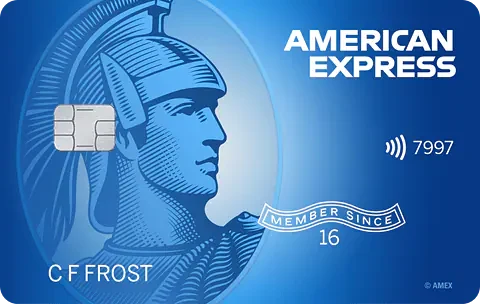
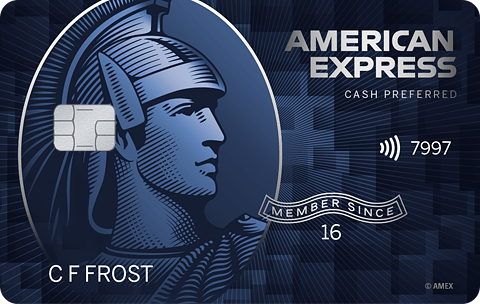
The Amex Blue Cash Everyday charges $0 annual fee and earns 3% at US supermarkets, US online retail and US gas stations (each up to $6,000/yr, then 1%), plus 1% elsewhere, paid as Reward Dollars. Pick it over the Blue Cash Preferred ($95 AF, 6% groceries) when grocery spend is under ~$264/month or you shop online a lot.
On this page▾
Topic Collection
Part of the Card Reviews Collection
Explore all 60 articles
Quick answer
The Blue Cash Everyday is the best no-annual-fee Amex cash back card for everyday US spending in 2026: $0 annual fee, 3% at US supermarkets, 3% on US online retail, and 3% at US gas stations — each up to $6,000/yr, then 1% — with 1% on everything else. Cash back arrives as Reward Dollars (statement credit). Pick it over the Blue Cash Preferred ($95 AF, 6% groceries) when your grocery spend is modest and you want zero fee to carry long-term.
TL;DR: The Amex Blue Cash Everyday earns 3% cash back at US supermarkets (up to $6,000/yr, then 1%), 3% on US online retail (up to $6,000/yr), and 3% at US gas stations (up to $6,000/yr), plus 1% on everything else. The annual fee is $0. Cash back is issued as Reward Dollars (statement credits) — it is a cash back card with no transferable points. It charges a foreign transaction fee, so it is a domestic-spending card. The welcome bonus is once-per-lifetime. The sibling Blue Cash Preferred ($95 AF) earns 6% at US supermarkets and suits heavy grocery spenders; the Everyday wins for lower grocery volume and online shopping.
Earn rates at a glance
| Category | Rate | Annual cap |
|---|---|---|
| US supermarkets | 3% | $6,000/yr, then 1% |
| US online retail | 3% | $6,000/yr, then 1% |
| US gas stations | 3% | $6,000/yr, then 1% |
| Everything else | 1% | none |
| Annual fee | $0 | — |
Each of the three bonus categories carries its own separate $6,000 calendar-year cap. That is the structural detail most reviews gloss over: you can earn 3% on up to $18,000 of combined category spend per year before any rate drops to 1%. For a typical household, that headroom means you rarely cap out.
Who this card is for
The Blue Cash Everyday is built for the person who wants a single no-fee card covering the three biggest recurring spend buckets — groceries, gas, and online shopping — without doing annual-fee math every year. It earns a flat, predictable 3% across those categories and never charges you to keep it open, which also makes it a strong long-term hold for credit history.
It is a cash back card, not a points card. The Reward Dollars you earn post as statement credits — straightforward, but they cannot move to airline or hotel programs. If you want transferable Amex Membership Rewards on groceries, that is a different product (the Amex Gold), not this one — and the Amex Membership Rewards program guide explains how those points work.
What you earn: the full structure
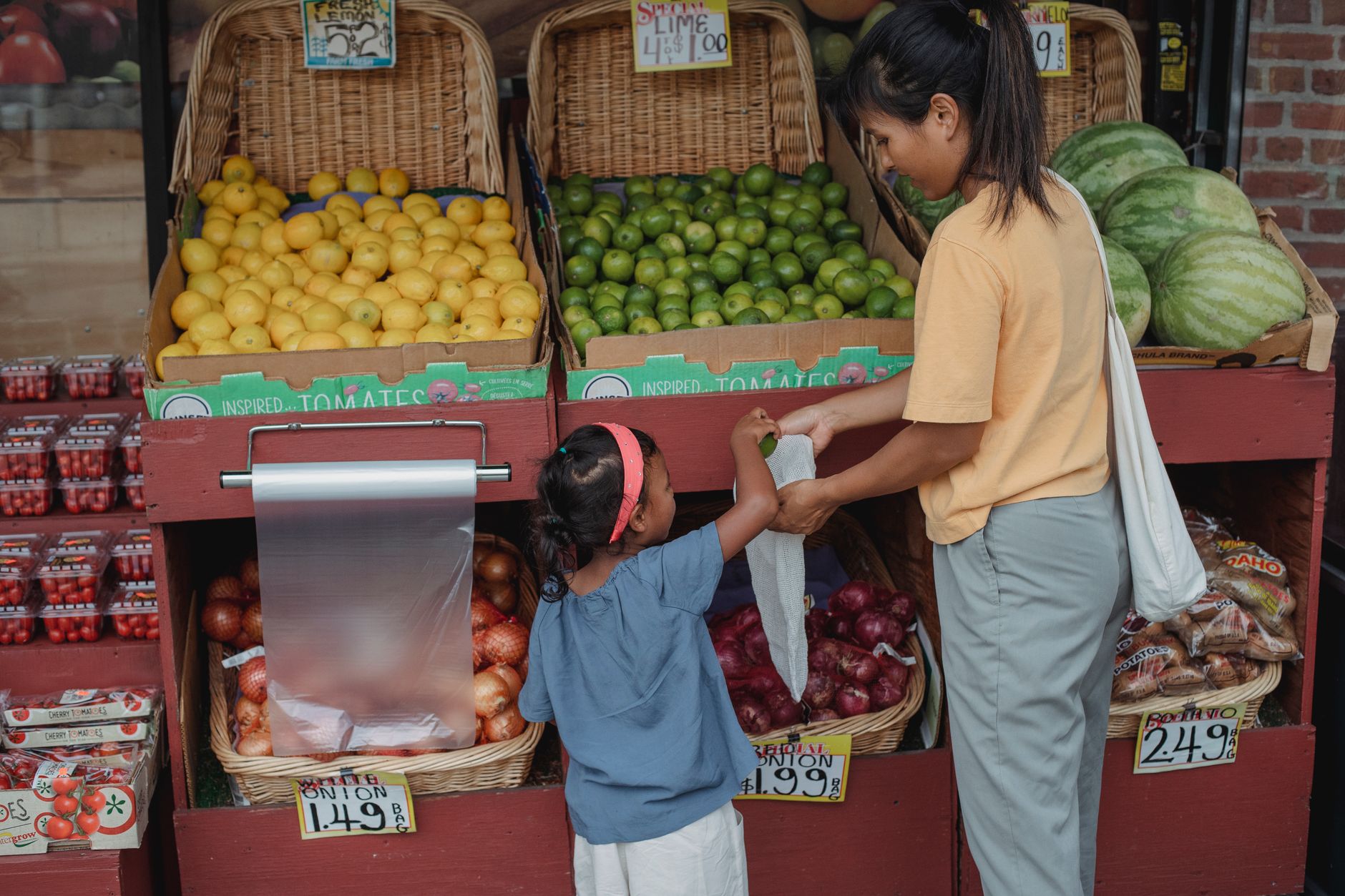
3% at US supermarkets — up to $6,000/yr, then 1%. "US supermarkets" means MCC 5411 merchants: Whole Foods, Trader Joe's, Kroger, Publix, Albertsons, Safeway, H-E-B, ShopRite, Sprouts, Wegmans and similar regional chains. As with every Amex grocery card, Costco (wholesale club, MCC 5300), Walmart Supercenter and Target (discount stores, MCC 5310) do NOT code as supermarkets and earn only 1%. The $6,000 cap is $500/month — comfortable for most single-adult and two-adult households.
3% on US online retail — up to $6,000/yr, then 1%. This is the Everyday's signature edge over the Preferred. US online retail covers a broad set of e-commerce checkouts, including Amazon.com, where Amex codes the purchase as online retail rather than a store category. For anyone who shops online regularly, this 3% bucket alone can be worth more than the grocery line.
3% at US gas stations — up to $6,000/yr, then 1%. Standalone US gas stations qualify. Warehouse-club fuel (Costco gas) and supermarket fuel centers may code differently and can earn 1%. At $200/month in gas ($2,400/yr), this returns $72/yr.
1% on everything else — the base rate. For non-category spending, a flat-2% card such as Double Cash earns double, so route dining, travel and miscellaneous purchases there.
Cash back = Reward Dollars. These redeem as statement credits and are not transferable. There is no points-valuation game to play; the headline percentages are your real return.
The annual fee math
The Everyday charges $0, so there is nothing to break even on — every dollar of cash back is pure gain. Run the numbers at realistic spend:
- $400/month groceries ($4,800/yr) at 3% = $144/yr
- $250/month online retail ($3,000/yr) at 3% = $90/yr
- $150/month gas ($1,800/yr) at 3% = $54/yr
- Combined bonus earn: $288/yr, before any everyday 1% spend
That $288 lands with no fee deducted. On the Blue Cash Preferred, the same grocery line earns 6% ($288 on $4,800) but you give back $95 in annual fee — and the Preferred earns only 1% on that $3,000 of online retail, costing you $60 versus the Everyday's 3%. For this profile, the no-fee Everyday is competitive or ahead.
Blue Cash Everyday vs Blue Cash Preferred
| Feature | Blue Cash Everyday | Blue Cash Preferred |
|---|---|---|
| Annual fee | $0 | $95 |
| US supermarkets | 3% up to $6K/yr | 6% up to $6K/yr |
| US online retail | 3% up to $6K/yr | 1% |
| US gas stations | 3% up to $6K/yr | 3% |
| US streaming | 1% | 6% unlimited |
| Everything else | 1% | 1% |
| Cash back form | Reward Dollars | Reward Dollars |
When the Everyday wins
If you spend under roughly $264/month at US supermarkets (about $3,167/yr), the Preferred's extra 3% grocery earn does not cover its $95 fee — the Everyday is the better choice. The Everyday also wins outright for online shoppers: 3% on US online retail (up to $6,000/yr) versus the Preferred's 1% is a meaningful gap on Amazon and other e-commerce spend. And if you simply want a card you never pay for and can keep open indefinitely to lengthen your credit history, the $0 fee settles it. For a side-by-side numbers breakdown, see our Blue Cash Everyday vs Blue Cash Preferred comparison.
When the Preferred wins
If you spend more than $264/month at US supermarkets, or you pay for streaming subscriptions you want rewarded at 6%, the Blue Cash Preferred pulls ahead despite the fee. Heavy grocery households — families of four routinely clearing $500/month — should run their own numbers, but the Preferred's 6% grocery rate usually wins at that volume.
How it compares to non-Amex cards
The Everyday's tiered 3% structure sits between flat-rate simplicity and rotating-category complexity. Against Double Cash (2% on everything, no caps), the Everyday wins on groceries, gas and online retail but loses on uncategorized spend. Against SavorOne (3% dining, entertainment and groceries, no fee), the choice comes down to whether you spend more on dining (Savor One) or online retail and gas (Everyday). Against Discover it Cash Back (5% rotating quarterly categories up to $1,500/quarter), the Everyday trades a higher ceiling rate for not having to track and activate categories each quarter. For more options across issuers, our best cash back cards roundup covers the full competitive landscape.
Pros and cons
Pros
- $0 annual fee — nothing to justify, strong long-term keeper for credit age. It ranks among the best no-annual-fee Amex cards for everyday domestic spend.
- Three 3% categories (supermarkets, online retail, gas) each with a separate $6,000/yr cap — up to $18,000 of 3% spend
- 3% on US online retail is rare among no-fee cards and covers Amazon
- Reward Dollars post automatically as statement credits — no redemption strategy needed
- Welcome bonus available to new cardholders
Cons
- Cash back only — Reward Dollars cannot transfer to airlines or hotels
- Charges a foreign transaction fee — not for spending abroad
- 1% on streaming and dining trails category specialists
- Welcome bonus is once-per-lifetime per the Amex rule — if you have held this card before, you likely will not get it again
- Costco, Walmart and Target earn only 1%, not 3%
Bottom line
The Blue Cash Everyday is the right pick for someone who wants no-fee, no-fuss 3% back on the categories most households actually spend on — supermarkets, online retail and gas — with Reward Dollars that drop into your statement automatically. Choose it over the Blue Cash Preferred when your grocery spend is under about $264/month, when online shopping is a big slice of your budget, or when you simply refuse to pay an annual fee. Keep a flat-2% card like Double Cash alongside it for uncategorized spend, and use a no-FX-fee card abroad. If maximizing grocery returns is a priority, it is worth checking how the Amex Gold compares for supermarket spending — its 4x MR rate can outperform Reward Dollars for travelers who transfer points. For a $0 commitment, the Everyday earns its place in most US wallets, and our best grocery credit cards guide can help you confirm that before applying.
Get weekly card offer alerts
Sunday digest of elevated bonuses. One email, zero spam.
Cards mentioned in this guide
Frequently asked questions
Does the Amex Blue Cash Everyday have an annual fee?
What is the difference between the Blue Cash Everyday and Blue Cash Preferred?
Can I transfer Blue Cash Everyday rewards to airline miles?
Does the Blue Cash Everyday earn 3% at Costco, Walmart or Target?
Is there a welcome bonus on the Amex Blue Cash Everyday?
Can I use the Blue Cash Everyday for purchases abroad?
Related guides
Related news

amex · Jun 25, 2026
Amex Platinum vs Schwab Platinum: the same $895 card, with a cash-out

amex · Jun 9, 2026
Amex Refreshes All 4 Delta Cards June 2026: New 70K-130K Welcomes, AF Hikes, and a $200 Delta Stays Credit
amex · Jun 9, 2026
Amex Renames Green Card to "Classic Green" August 2026 — What Changes (Spoiler: Almost Nothing)

industry · Jun 6, 2026
Apartment Collection by Hilton
Cards in this ecosystem
Considering switching?