How Long to Build a 700 Credit Score: Newcomer Timeline 2026
A newcomer who opens one starter card and never misses a payment typically sees a first FICO score around month 6 (roughly 650 to 680 on a thin file), reaches about 700 by month 12 once a second account and a year of perfect payments are on file, hits ~720 by month 18, and lands in the 720 to 750+ range by month 24. Perfect on-time payments and keeping reported utilization under 10% are the biggest accelerators; a second card at month 6 to 12 and an authorized-user tradeline can pull the timeline forward by months.
On this page▾

Topic Collection
Part of the Credit Score Guides Collection
Explore all 14 articles
Quick answer
A newcomer who opens one starter card and never misses a payment usually sees a first FICO score around month 6 (roughly 650 to 680 on a thin file), reaches about 700 near month 12 once a second account and a year of perfect payments are on file, climbs to ~720 by month 18, and lands in the 720 to 750+ range by month 24. The two levers that speed everything up are perfect on-time payments and keeping your reported balance under 10% of your limit. Adding a second card around month 6 to 12 and, where possible, an authorized-user tradeline can pull the whole timeline forward by months. Start with a card like the Discover it Secured or Quicksilver, automate the payment, and the score builds on its own.
TL;DR: A newcomer to the United States with no credit history typically generates a first FICO score around 6 months after opening their first credit account, because a FICO score requires at least one account open and reporting for six months. A VantageScore can appear sooner, after roughly 1 to 2 months. With one secured or starter card and a perfect payment record, the realistic month-by-month path is: month 6 about 650 to 680 (thin file), month 12 about 700 once a second account and twelve months of on-time payments report, month 18 about 720, and month 24 about 720 to 750 or higher. The biggest accelerators are paying every statement in full, keeping reported utilization under 10%, adding a second card at month 6 to 12, and being added as an authorized user on a US-resident relative's old, low-utilization card. The biggest slow-downs are a single late payment (which can drop a young score 60 to 100 points), high utilization, and too many hard inquiries in a short window. Common starter cards include the Discover it Secured and the Capital One Quicksilver.
This guide gives you a realistic, encouraging timeline — not a fantasy. Building a 700+ score from zero is a marathon you can run in about a year if you do a few simple things consistently. Our complete newcomer credit-building hub puts this timeline in the context of every other step — from your first bank account to rewards cards. There is no trick that turns a blank file into 750 overnight, but there is a clear path, and most of it is automatic once you set it up.
The month-by-month milestone table
Here is the typical arc for a newcomer who opens one starter card at month 0, pays every bill on time and in full, and adds a second card partway through. Your exact numbers vary, but the shape is consistent.
| Months since first card | What's happening | Expected score band |
|---|---|---|
| 0 to 1 | Card opened, no FICO score yet; VantageScore may appear | No FICO / ~580 to 620 Vantage |
| 3 | Account reporting, still too young for FICO | No FICO yet |
| 6 | First FICO score generates on a thin file | ~650 to 680 |
| 12 | Second account + a full year of on-time payments | ~700 |
| 18 | Longer history, two seasoned accounts, low utilization | ~720 |
| 24 | Aged file, perfect record, more available credit | ~720 to 750+ |
The jump from "no score" to a real FICO number at month 6 feels sudden because it is — the score does not exist and then it does, the moment your account crosses six months of history.
Why the first score takes about six months
A FICO score has a minimum requirement: you need at least one credit account that has been open and reporting for six months or more, with recent activity. For a deep dive into how FICO scoring mechanics work, including why newcomers start at zero, see that guide. Until you cross that threshold, FICO simply cannot calculate a number for you. This is the single most common surprise for newcomers — you can do everything right for five months and still see "no score available."
VantageScore is more lenient. It can produce a score after roughly 1 to 2 months of history, which is why some apps show you a number long before your FICO exists. That early VantageScore is real, but most lenders underwrite on FICO, so treat month 6 as your true starting line.
What "thin file" means
At month 6 you have a thin file — one account, six months of history, not much else. A thin file caps how high your score can go even with a perfect record, which is why month-6 scores cluster around 650 to 680 rather than 700+. The fix is time and a second account, both of which arrive over the next six months.
What speeds the timeline up
These are the four levers that consistently pull a 700 closer. None of them require spending more money — most are about behavior and timing.
| Accelerator | Why it works | When to use it |
|---|---|---|
| Pay every statement in full | Builds a perfect payment record, the largest scoring factor | Every month, on autopay |
| Keep utilization under 10% | Low reported balances signal low risk | Always; pay before the statement closes |
| Add a second card | More accounts and total limit thicken a thin file | Month 6 to 12 |
| Authorized-user tradeline | Inherits a relative's age and history fast | Immediately, if available |
The fastest single move is the authorized-user tradeline: if a US-resident relative adds you to an old, low-utilization, always-paid card, their years of history can graft onto your file and bring a usable score forward by months. The most reliable everyday move is utilization discipline — paying your balance down to under 10% of the limit before the statement closes, so the bureaus see a tiny number. The full mechanics of credit utilization are broken down in a separate guide.
What slows it down
Just as a few habits speed the climb, a few mistakes can stall or reverse it. On a young, thin file the damage is amplified because there is little history to cushion it.
- A late payment. Even one payment 30 days late can drop a fresh score by 60 to 100 points and lingers on your report for years. This is the single most expensive mistake a newcomer can make. The full list of costly errors is in the guide to newcomer credit card mistakes to avoid.
- High utilization. Letting a card report at 50% or 90% of its limit tells the bureaus you are stretched, even if you pay it off later. Reported balance is a snapshot taken when the statement closes.
- Too many hard inquiries. Each new application adds a hard pull. A few are fine, but five applications in two months looks risky and dents a thin file.
- Closing your only card. It erases your history and spikes utilization. Keep your first card open even after you get better ones.
How to build a 700+ score, step by step
- Open one starter card at month 0. A secured card like the Discover it Secured or a no-deposit starter like the Quicksilver reports to all three bureaus. A $200 deposit is enough to begin on a secured card; see the best secured credit cards for a ranked comparison.
- Put one small recurring charge on it. A single subscription is plenty. The goal is activity, not spending.
- Set up autopay for the full statement balance. This guarantees you never miss a payment — the largest factor in your score — and never carry interest.
- Keep reported utilization under 10%. If your limit is $500, keep the statement balance under $50. Pay it down before the statement closes if you charge more.
- Get added as an authorized user if you can. A relative's old, clean card can bring your score forward by months. Confirm the issuer reports authorized users first.
- Wait for month 6. Your first FICO score generates. Expect roughly 650 to 680 on a thin file — a normal, healthy start.
- Add a second card around month 6 to 12. A second account and a higher total limit thicken your file and lower overall utilization. The Quicksilver or Discover it Cash Back are common second cards.
- Keep the streak going. By month 12 you are near 700; by month 24, with a perfect record and an aged file, 720 to 750+ is realistic. For what to do with your score once it clears 670, the first-year credit card strategy for new immigrants maps out the next moves.
Common mistakes
- Expecting a score before month 6. FICO needs six months of history. Seeing "no score" at month 4 is normal, not a failure.
- Chasing a number instead of building habits. The score follows from perfect payments and low utilization. Get those right and the number takes care of itself.
- Letting one card report a high balance. Even if you pay in full, the bureaus see whatever balance was on the statement. Pay down before the closing date.
- Applying for several cards at once. Hard inquiries pile up and a thin file feels every one. Space applications a few months apart.
- Treating the Amex Gold as a first card. Premium cards need an established score. Build to 700 first, then a card like the Amex Gold becomes reachable.
- Closing the starter card too early. It is the foundation of your history. Keep it open even after upgrading.
Bottom line
There is no shortcut to a 700 credit score, but there is a dependable timeline. Open one starter card such as the Discover it Secured or Quicksilver, set autopay for the full balance, keep reported utilization under 10%, and your first FICO score arrives around month 6 at roughly 650 to 680. Add a second card and keep a perfect record, and you reach about 700 by month 12, 720 by month 18, and 720 to 750+ by month 24. An authorized-user tradeline on a relative's old card can pull all of that forward. Set it up once, automate it, and let time do the work.
Get weekly card offer alerts
Sunday digest of elevated bonuses. One email, zero spam.
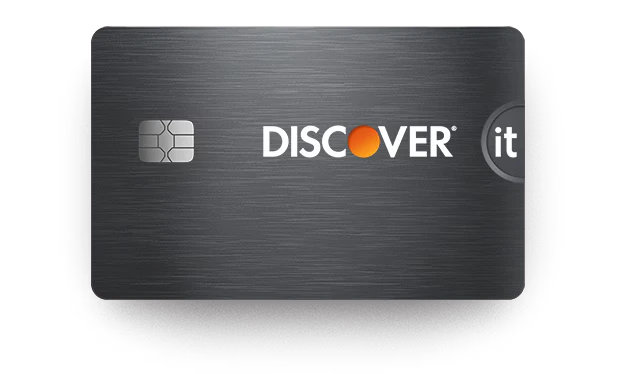
Cards mentioned in this guide


Frequently asked questions
How long until I get my first credit score as a newcomer?
Can I reach a 700 credit score faster than 12 months?
What can set my credit-building timeline back?
Does utilization really matter that much for a new score?
Related guides
Strategy
Capital One Card Ecosystem Guide 2026: Best Stack, Partners & Strategy
15 min
Strategy
Newcomer's First 90 Days: A Financial Setup Checklist (2026)
15 min
Strategy
Credit Cards for Immigrants: The Complete 2026 Hub
10 min
Strategy
Building US Credit for Newcomers From India: Secured Cards, Amex Global Transfer, and the Real 2026 Options
15 min