Newcomer Credit Card Mistakes to Avoid in Your First Year (2026)
The nine first-year mistakes are all fixable: match issuers to your ID instead of applying at SSN-only Chase and Discover with an ITIN, pay the statement in full to avoid 26-30% APR, keep your first card open, space applications 3 to 6 months apart, hold utilization under 10%, turn on autopay, wait on premium cards until your file is 12+ months deep, and check your free score on CreditWise or Credit Karma.
On this page▾

Topic Collection
Part of the New to America Collection
Explore all 37 articles
Quick answer
The most expensive first-year mistakes a newcomer makes with US credit cards are all fixable: applying at SSN-only issuers (Chase, Discover) with only an ITIN and burning a hard inquiry, carrying a balance at 26-30% APR, closing the first card, firing off too many applications at once, ignoring utilization, missing the due date, skipping autopay, chasing a premium card too early, and never checking the free score. Fix them by matching issuers to your ID, paying the statement balance in full, keeping your first card open, spacing applications 3 to 6 months apart, holding utilization under 10%, turning on autopay, and waiting on premium cards until your file is 12+ months deep. A starter card like the Capital One Platinum Secured or Discover it Secured is the right first step — our complete guide to building US credit as a new immigrant covers the full path from day one.
TL;DR: In their first year, newcomers to the US credit system most commonly lose money and points to nine avoidable mistakes: (1) applying at issuers that require a Social Security Number — notably Chase and Discover — while holding only an ITIN, which wastes a hard inquiry; (2) carrying a revolving balance and paying 26-30% APR instead of paying the statement in full; (3) closing the very first card, which shortens average account age and spikes utilization; (4) submitting several applications in a short window, stacking hard inquiries; (5) ignoring credit utilization instead of keeping it under 10%; (6) missing the payment due date, damaging payment history (35% of a FICO score); (7) not enabling autopay; (8) chasing premium annual-fee cards before building a thin file; and (9) never checking the free credit score via Capital One CreditWise or Credit Karma. Each is recoverable: match issuers to your ID, pay in full, keep the first card, space applications 3 to 6 months apart, hold utilization low, automate payments, and start with a secured card such as the Capital One Platinum Secured or Discover it Secured.
You will not get your first US credit year back, so it pays to get it right the first time. The good news: every one of these mistakes is reversible or preventable, and none of them requires money you do not have. Below, each mistake is numbered, explained, and paired with the exact fix.
At a glance: the mistake and the fix
| # | Mistake | Fix |
|---|---|---|
| 1 | Applying at Chase / Discover with only an ITIN | Match the issuer to your ID before you apply |
| 2 | Carrying a balance at 26-30% APR | Pay the full statement balance every month |
| 3 | Closing your first card | Keep it open; use it for one small recurring charge |
| 4 | Too many applications at once | Space hard inquiries 3 to 6 months apart |
| 5 | Ignoring utilization | Keep reported balances under 10% of the limit |
| 6 | Missing the due date | Know the date; never pay late |
| 7 | Not setting autopay | Turn on autopay for at least the minimum |
| 8 | Chasing premium cards too early | Build 12+ months of history first |
| 9 | Not checking your free score | Use CreditWise or Credit Karma monthly |
1. Applying at SSN-only issuers with only an ITIN
The mistake
A newcomer with only an ITIN (and no SSN yet) applies to Chase or Discover because they are famous brands. In 2026, Chase and Discover generally require a Social Security Number to open a card. The application is declined for ID reasons — and the hard inquiry still lands on your report, dinging a file that is already thin.
The fix
Match the issuer to the ID you actually hold. Capital One accepts an ITIN on cards like the Capital One Platinum Secured, and several other issuers do too. Apply only where your ID is accepted, so every inquiry has a real chance of approval. Once your SSN arrives, link it to your existing accounts and the SSN-only issuers open up.
2. Carrying a balance
The mistake
Believing you "build credit faster" by carrying a balance. You do not. Carrying a balance just means paying 26-30% APR on it. On a $2,000 balance at 28% APR, that is roughly $560 a year in interest for nothing — if you want to understand how to avoid these APR traps, that guide explains the mechanics in full.
The fix
Pay the full statement balance every month. The card reports your on-time behavior to the bureaus whether or not you carry a balance, so there is no credit benefit to leaving one — only an interest cost. Use the card, pay it off, repeat.
3. Closing the first card
The mistake
Closing your starter card once you "upgrade" to something better. Closing the first card shortens your length of credit history and removes its limit from your total available credit, which raises your utilization overnight. Both hurt a young file.
The fix
Keep your first card open. Put one small recurring charge on it — a $9 streaming subscription — and autopay it. The account keeps aging, the limit keeps counting, and your average account age grows instead of resetting. Many secured cards, like the Capital One Platinum Secured, graduate to unsecured and return your deposit without closing the account.
4. Too many applications / hard inquiries
The mistake
Applying for three or four cards in a month because the bonuses look good. Each application is a hard inquiry, and a cluster of them on a thin file signals risk, lowers your score, and triggers automatic denials.
The fix
Space hard inquiries 3 to 6 months apart. One well-chosen card every few months lets your score recover between pulls and builds history steadily. Premium-issuer rules (such as Chase 5/24, which declines applicants with 5+ new accounts in 24 months) reward patience later, so slow is fast.
5. Ignoring utilization
The mistake
Running the card up to its limit, or letting a high balance sit when the statement closes. Credit utilization — the percentage of your limit you are using — is one of the largest score factors, and a high reported balance drags your score down even if you pay in full afterward.
The fix
Keep your reported utilization under 10%. The balance that matters is whatever sits on the card on the statement date, so pay it down before the statement closes, not just before the due date. On a $500 limit, that means keeping the statement balance under $50.
| Reported utilization | Effect on a thin file |
|---|---|
| Under 10% | Best — signals control |
| 10% to 29% | Fine, slight drag |
| 30% to 49% | Noticeable score drop |
| 50%+ | Significant damage |
6. Missing the due date
The mistake
Forgetting the payment due date even once. Payment history is 35% of a FICO score — the single biggest factor. A payment 30 days late can drop a young score sharply and stay on your report for years. Understanding how the FICO scoring system weighs each factor makes it easier to protect the parts that matter most.
The fix
Know your due date and never pay late. Set a calendar reminder, but do not rely on memory — pair it with autopay (next mistake). One missed payment undoes months of careful building, so this is the mistake to guard against hardest.
7. Not setting autopay
The mistake
Relying on yourself to remember every due date. Life happens — travel, a new job, a moving week — and a single missed payment damages the most important part of your score.
The fix
Turn on autopay for at least the minimum payment, ideally the full statement balance. Autopay removes the single largest risk to a new file: the human-error late payment. Set it once and never miss a due date again. Keep enough in the account to cover it.
8. Chasing premium cards too early
The mistake
Applying for a premium annual-fee travel card in month two because the welcome bonus is large. Premium cards usually want a seasoned file, and applying early means a hard inquiry, a likely denial, and an annual fee you cannot justify on thin spend.
The fix
Build 12+ months of clean history first. Start with a no-annual-fee or secured card — Capital One Platinum Secured, Discover it Secured, or a flat-rate Double Cash once you qualify — then graduate to premium cards when your file can carry them and the annual fee pays for itself.
9. Not checking your free score
The mistake
Flying blind. Newcomers often have no idea what their score is, so they apply for cards they cannot get (more denials, more inquiries) or miss errors on their report.
The fix
Check your score for free every month. Capital One CreditWise and Credit Karma both show your score and report at no cost and do not cause a hard inquiry. Watching the number move teaches you what helps, and lets you catch errors or fraud early.
Step-by-step: recovering if you already slipped
- Stop the bleeding. Turn on autopay today for at least the minimum on every card. This protects the 35% payment-history factor going forward.
- Pay down the statement balance. Get reported utilization under 10% before the next statement date — pay mid-cycle if you have to.
- Stop applying for a while. Let new inquiries age. Do not apply again for 3 to 6 months so your score can recover.
- Keep every card open. Do not close anything, especially your oldest account. Put a small recurring charge on dormant cards so they are not closed for inactivity.
- Check your free score and report. Use CreditWise or Credit Karma, dispute any errors, and confirm no fraudulent accounts.
- Match your next application to your ID and your score. Apply only where your ITIN/SSN is accepted and where your current score qualifies you.
Common mistakes
- Treating an ITIN like an SSN at every issuer. Chase and Discover generally require an SSN — applying with only an ITIN wastes a hard inquiry. Apply where the ITIN is accepted.
- Carrying a balance "to build credit." It builds nothing but 26-30% interest. Pay in full.
- Closing the first card after upgrading. It shortens history and spikes utilization. Keep it open.
- Applying for several cards at once. Space inquiries 3 to 6 months apart.
- Paying just before the due date but after the statement closed. The statement balance is what reports — pay before the statement date to keep utilization under 10%.
- Skipping autopay. One late payment damages 35% of your score. Automate it.
- Chasing premium cards in month one. Build 12+ months first.
Bottom line
Every first-year newcomer mistake is fixable: match issuers to your ID instead of burning inquiries at SSN-only Chase and Discover, pay the statement in full to dodge 26-30% APR, keep your first card open, space applications 3 to 6 months apart, hold utilization under 10%, turn on autopay so you never miss a due date, wait on premium cards until your file is 12+ months deep, and check your free score on CreditWise or Credit Karma. Start with a Capital One Platinum Secured or Discover it Secured, graduate to a flat-rate Double Cash, and your first year becomes a foundation instead of a regret. If you want to know how long it realistically takes to reach a 700+ score from scratch, that guide maps out the milestones.
Get weekly card offer alerts
Sunday digest of elevated bonuses. One email, zero spam.
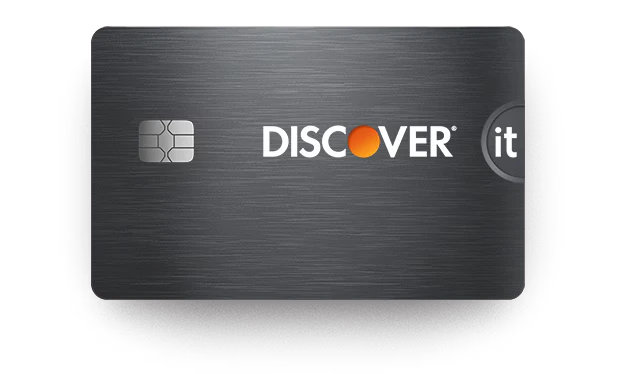
Cards mentioned in this guide


Frequently asked questions
Can I apply for a Chase or Discover card with only an ITIN?
Does carrying a small balance help my credit score?
How far apart should I space credit card applications?
Should I close my first credit card after I get a better one?
Where can I check my credit score for free without hurting it?
Related guides
Strategy
Best Credit Cards for International Students (F-1 Visa) 2026
12 min
Rules & Mechanics
Credit-Builder Loan vs Secured Card: A Newcomer’s Guide (2026)
13 min
Rules & Mechanics
Secured vs Unsecured Credit Cards: Which to Get (2026)
13 min
Card Roundups
Best No-Annual-Fee Starter Credit Cards for Newcomers in 2026
11 min
Related news

amex · Jun 25, 2026
Amex Platinum vs Schwab Platinum: the same $895 card, with a cash-out

chase · Jun 10, 2026
Chase Hyatt Transfer Ratio 4:3: What It Means for Sapphire Preferred and Ink Business Preferred

chase · Jun 10, 2026
Chase to Virgin Atlantic: 30% Transfer Bonus — Book Delta Business Class for 18,000 Points

ihg · Jun 10, 2026
IHG Buy Points at 0.5¢ Extended Through June 30 — Best Price for InterContinental Stays