Best Credit Cards for International Students (F-1 Visa) 2026
For F-1 international students in 2026, the best starter cards are the Capital One Platinum Secured (reports to all 3 bureaus, accepts ITIN), the Capital One Quicksilver Secured (1.5% flat cash back, accepts ITIN), and the Discover it Secured (2% cash back on dining and gas, automatic upgrade review after 8 months). F-1 students without work authorization cannot get an SSN and must apply using an ITIN. Newcomers with UK or Canada credit history can shortcut the process via Nova Credit to apply for the Chase Freedom Unlimited or Freedom Flex.
On this page▾

Topic Collection
Part of the New to America Collection
Explore all 37 articles
Quick answer
For F-1 international students in 2026, the best starter cards are Capital One Platinum Secured (reports to all 3 bureaus, accepts ITIN), Quicksilver Secured (1.5% flat cash back, accepts ITIN), and Discover it Secured (2% cash back on dining/gas, automatic upgrade review after 8 months). Newcomers with credit history from the UK or Canada can shortcut the process with Nova Credit to apply for the Freedom Unlimited or Chase Freedom Flex using their home-country credit history. (The old American Express × Nova Credit path ended in 2025 and is no longer available.)
TL;DR: F-1 international students without work authorization cannot get a Social Security Number (SSN) and must use an Individual Taxpayer Identification Number (ITIN, IRS Form W-7) to apply for credit cards. ITIN-friendly issuers include Capital One and Citi. Students who receive OPT or CPT work authorization can obtain an SSN through their employer and qualify for more cards. As of 2026, Nova Credit's credit-card path is with Chase (Freedom Unlimited and Freedom Flex) and currently works only for credit history from the UK and Canada; the American Express × Nova Credit partnership ended in 2025. Newcomers from other countries have no Nova card shortcut and build credit with secured/starter cards or TomoCredit, which underwrites using bank account cash-flow data rather than credit scores. American Express without an SSN is now available only via Amex Global Transfer, for people who already hold an American Express card issued in another country. Participating issuers and countries change — verify the current list at novacredit.com. A structured 18-month credit-building plan can take an F-1 student from zero US credit history to a FICO score above 700.
Top picks at a glance
| Card | Best for |
|---|---|
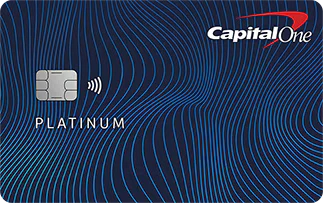
| Capital One Platinum Secured | Best secured card — ITIN accepted, upgrades to unsecured, reports all 3 bureaus |
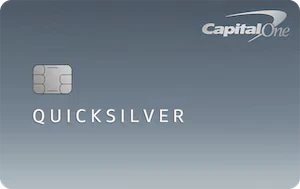
| Quicksilver Secured | Best no-SSN starter — 1.5% flat cash back, ITIN accepted, $0 annual fee |
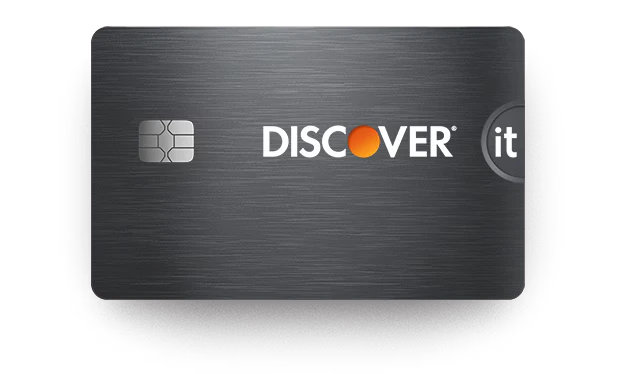
| Discover it Secured | Best secured rewards — 2% on dining/gas, automatic upgrade review at 8 months |
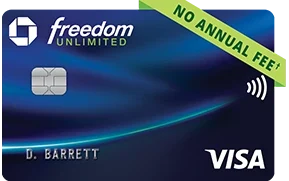
| Freedom Unlimited | Best via Nova Credit — only for UK/Canada credit history (Amex Nova path ended 2025) |
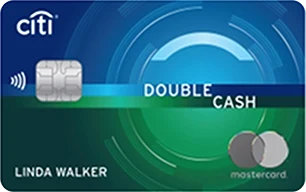
| Double Cash | Best step-up card after 12 months of US credit history |
| Quicksilver Secured | Best flat cash back secured — 1.5% on everything with $0 annual fee |
SSN vs ITIN: what F-1 students actually need to know
The single biggest misconception among international students is that a Social Security Number is required to get a US credit card. It is not — but understanding when you have one versus an ITIN changes which cards you can target. The SSN vs. ITIN for credit guide covers this in depth for every visa type.
Social Security Number (SSN):
- Issued by the Social Security Administration to individuals authorized to work in the US
- F-1 students without any work authorization DO NOT qualify for an SSN
- F-1 students with OPT (Optional Practical Training) or CPT (Curricular Practical Training) authorization CAN get an SSN through their employer — apply at a Social Security office with your employment authorization documents, I-20, passport, and visa
- STEM OPT extension (24 months) also qualifies you for an SSN if you did not get one during initial OPT
Individual Taxpayer Identification Number (ITIN):
- Issued by the IRS via Form W-7 for individuals who need to file US taxes but do not qualify for an SSN
- F-1 students on scholarship or fellowship income, or those who receive taxable stipends, often need an ITIN to file Form 1040-NR
- ITIN applications require original or certified copies of identity documents — most students submit passport + visa + I-20
- Processing time is 7–11 weeks; apply in January/February to have your ITIN by the April tax deadline
- ITIN is a valid substitute for SSN on credit card applications at Capital One and Citi
- ITIN does NOT convey work authorization — it is purely a tax-filing number
Which issuers accept ITIN (confirmed as of 2026):
| Issuer | ITIN accepted? | Notes |
|---|---|---|
| Capital One | Yes | Platinum Secured, Quicksilver Secured, Savor One |
| Citi | Yes | Double Cash, Custom Cash, Rewards+ |
| American Express | No (Nova path ended 2025) | No-history/Nova option removed; only via Amex Global Transfer if you already hold a foreign Amex |
| TomoCredit | No SSN or ITIN required | Underwrites on bank statement data |
| Chase | SSN required (or UK/Canada history via Nova) | ITIN not accepted; Nova Credit path works only for UK/Canada credit history on Freedom Unlimited/Flex |
| Discover | SSN required for most products | Secured card may accept ITIN in some cases |
Nova Credit: the credit-card shortcut now runs through Chase (UK & Canada only)
Nova Credit is a credit bureau aggregator that translates foreign credit reports into a US-equivalent "Credit Passport." Important 2026 update: the American Express × Nova Credit partnership ended in 2025. Amex removed the "I don't have a US credit history" foreign-credit option from its application, so you can no longer use Nova Credit to get any American Express card.
As of 2026, Nova Credit's live credit-card path is with Chase, and only for two countries:
Countries supported for the Chase × Nova Credit path:
- United Kingdom (Experian UK)
- Canada (Equifax Canada / TransUnion Canada)
Chase says it may add more cards and countries later, so this footprint is narrower than the old Amex path. Newcomers from any other country — India, Germany, Australia, Mexico, China, South Korea, Brazil, Nigeria, and the rest — currently have no Nova Credit credit-card shortcut and should build US credit from scratch with secured/starter cards or TomoCredit.
Which Chase cards work via Nova Credit: the Freedom Unlimited and the Chase Freedom Flex. (Both are no-annual-fee cash-back cards.)
How the Chase × Nova Credit application works (UK / Canada history only):
- Start a Chase Freedom Unlimited or Freedom Flex application and choose the option to use credit history from another country
- You will be redirected to Nova Credit's portal to consent to the credit pull from the UK or Canada
- Nova Credit translates your foreign score into a US-equivalent report and sends it to Chase
- Chase underwrites based on the translated credit history — no US credit history required for the initial application (you will still need an SSN/ITIN for tax reporting if approved)
- The inquiry appears on your home-country credit file
Need an Amex without an SSN? That is now possible only through Amex Global Transfer, and only if you already hold an American Express card issued in another country — you transfer that existing Amex relationship to a US Amex card. It is not a general no-history path for everyone.
Participating issuers and countries change. Always verify the current Nova Credit card list and supported countries at novacredit.com before you apply. Nova's underlying "Credit Passport" still exists for some lenders and landlords, but for credit cards specifically the live path is Chase (UK/Canada).
Capital One Quicksilver Secured: the best no-SSN starter for F-1 students
A note on Petal: Petal wound down its credit-card business, so the old Petal 2 Visa is no longer a card you can apply for. For a no-SSN starter that rewards you while you build, the best replacement is Quicksilver Secured — it accepts an ITIN in place of an SSN and earns flat cash back from day one.
Key facts:
- No SSN required — ITIN is accepted
- No annual fee, no foreign transaction fee
- 1.5% cash back on all purchases from day one — flat rate, no categories
- $200 refundable security deposit opens a $200 starting credit limit
- Automatic upgrade path to an unsecured Capital One card without closing the account (preserving account age)
- Reports to Equifax, TransUnion, and Experian — all three bureaus
Income documentation accepted: Capital One accepts non-employment income. For F-1 students without work authorization, acceptable documentation includes:
- University stipend award letter
- Scholarship or fellowship letter showing annual disbursement amount
- Bank statements from a US or foreign account showing regular deposits
- Parental support shown via supporting bank statements
Why a secured card works from zero: A student with regular deposits from a foreign remittance or scholarship disbursement can qualify with the refundable deposit even with zero US credit history and no FICO score on file, and the all-three-bureau reporting builds history from the first statement. For a full overview of the best secured credit cards across all issuers, that guide ranks and compares every major option.
TomoCredit: no SSN, no credit score required
TomoCredit takes an even more unconventional approach — it does not pull a credit score at all. The card is issued based entirely on your bank account cash-flow: income deposits, spending patterns, and account health.
Key facts:
- No SSN, no ITIN, no credit score required
- No annual fee
- Reports to all 3 credit bureaus (this is the primary reason to use it — pure credit-history building)
- No hard credit inquiry on application
- Credit limit is set based on linked bank balance, typically $100–$1,000 initially
- Weekly autopay is required (Tomo bills weekly and automatically debits your bank account)
Who TomoCredit is ideal for: F-1 students with no Nova Credit card shortcut — that is, anyone whose home-country credit is not UK or Canada (India, China, South Korea, Brazil, Nigeria, Pakistan, Bangladesh, Mexico, Germany, Australia, etc.) — who need to start US credit history immediately with zero US documentation beyond a bank account.
Limitation to know: TomoCredit's weekly autopay requirement means you must maintain a linked US bank account with sufficient balance at all times. The card is a charge card (balance paid weekly in full), so it does not help you build credit on installment products — but the bureau reporting is real and monthly, building your length of history from day one.
Capital One secured cards: the ITIN-friendly mainstream option
Capital One is the most student-friendly major issuer for ITIN applications. Capital One Platinum Secured and Quicksilver Secured both accept ITIN in place of SSN.
- $49, $99, or $200 security deposit (Capital One determines which tier based on creditworthiness)
- $200 credit limit to start; can increase by adding more deposit
- No annual fee
- Automatic review for credit limit increase after 6 months of on-time payments
- Path to the unsecured Capital One Platinum Secured (which converts to a regular Platinum card without closing the account — preserving account age)
- Reports to all 3 bureaus
- $200 minimum deposit, $200 credit limit
- 1.5% cash back on all purchases — flat rate, no categories
- No annual fee, no foreign transaction fee
- Same upgrade path as the Platinum Secured
- Best choice if you want rewards while building credit
Capital One application tips for F-1 students:
- Apply with your ITIN (9-digit number starting with 9) where the SSN field appears
- List your student stipend, scholarship disbursement, or parental support as income
- Capital One's application asks for income but does not require employment — "other income" is an accepted category
- If denied, call the reconsideration line and explain your student status and income source
Discover It Secured: best upgrade path
Discover it Secured requires an SSN for most applicants — however, it is included here because many F-1 students on OPT/CPT (who have SSNs) should prioritize it.
Key facts:
- $200–$2,500 security deposit
- 2% cash back at gas stations and restaurants (up to $1,000 in combined purchases per quarter), 1% everywhere else
- Discover matches all cash back earned in your first 12 months (Cashback Match) — effectively 4% on dining/gas for year one
- Automatic monthly review starting at 8 months for upgrade to unsecured card
- No annual fee, no foreign transaction fee
- Reports to all 3 bureaus
For OPT/CPT students with new SSNs: This should be among the first applications you make after receiving your SSN. The 8-month upgrade timeline means you could be unsecured by month 9 of your OPT period, and the Cashback Match bonus in year one is one of the best first-year value propositions on any secured card.
Income documentation: what F-1 students can use
Credit card issuers ask for income during the application. F-1 students — especially those without work authorization — often have non-employment income sources. Here is what is accepted:
Acceptable income types for F-1 applicants:
- Stipend from university: A letter from your department or graduate school stating your annual stipend amount. Most issuers accept this as regular income. Include your I-20 and acceptance letter as backup.
- Scholarship/fellowship disbursements: Award letters from the scholarship organization or university financial aid office showing annual disbursement schedule.
- Research assistant or teaching assistant pay (on CPT/OPT): W-2 or employment offer letter once you have work authorization.
- Parental support / remittance: Capital One and TomoCredit accept bank statements showing regular international wire transfers as evidence of regular income. The rule of thumb: 3–6 months of statements showing consistent deposits.
- Savings/assets: Some applications allow you to report savings balance as an income proxy under "assets readily convertible to cash" — a student with $10,000 in a US checking account can often list that under assets.
What NOT to list: Do not list income from unauthorized employment (work not covered by your visa authorization). This creates immigration risk and, if discovered, can void your credit application.
18-month credit-building plan for F-1 students
Months 1–3 (Arrival / Year 1, Fall semester):
- Open a US bank account immediately (Chase, Bank of America, or a credit union all work; bring passport, I-20, and university acceptance letter)
- Apply for TomoCredit OR Quicksilver Secured within the first 30 days — no SSN needed for either (the secured card accepts an ITIN)
- If your home-country credit history is from the UK or Canada: apply for the Freedom Unlimited or Chase Freedom Flex via Nova Credit simultaneously (this is the only live Nova card path in 2026 — the Amex Nova path ended in 2025)
- Keep utilization below 10% on all cards (spend $50–$80 on a $500 limit card) — credit utilization explained for newcomers shows exactly how this number is calculated and when to pay to keep it low
- Pay in full every statement cycle — Tomo autopays weekly, the secured card bills monthly
Months 4–6:
- Your first FICO score will appear in credit monitoring (Credit Karma, Experian app) after ~3–4 months of reporting
- Expected range: 650–680 FICO if you have kept utilization below 10% and paid on time
- Apply for Capital One Platinum Secured using your ITIN — having 3+ months of US credit history improves approval odds significantly
Months 7–12:
- Request a credit limit increase on your starter card (often no hard pull — just log in and request)
- Capital One reviews your secured card for upgrade at 6 months — respond to any upgrade offers
- By month 10–12, you should have a FICO score of 680–720
- If you have received OPT/CPT authorization and have an SSN, apply for Discover it Secured to add a third tradeline
Months 13–18:
- With 12+ months of clean US credit history and a 700+ FICO score, you can now apply for mainstream unsecured cards
- Target: Double Cash (2% on everything, ITIN or SSN accepted) or SavorOne (3% on dining/entertainment, no annual fee)
- If you are on OPT with income and an SSN: Freedom Unlimited or Discover it Cash Back become accessible
- Goal by month 18: 2–3 open accounts, 700+ FICO, $3,000–$8,000 in total available credit
Common mistakes to avoid
1. Applying for cards that require SSN before you have one. Chase, Bank of America, and Wells Fargo do not accept ITIN applications as of 2026. Applying and getting denied adds a hard inquiry to your thin file without benefit. Wait until you have an SSN from OPT/CPT before targeting these issuers.
2. Skipping the secured card because of the deposit. A $200 security deposit is an investment in your US credit infrastructure. The deposit earns no interest but the resulting credit history is worth thousands of dollars in better loan rates, apartment approvals, and eventual premium card access. Do not skip it to avoid tying up cash. See secured vs. unsecured credit cards for newcomers to understand exactly when you are ready to graduate to an unsecured product.
3. Carrying a balance. Secured cards typically have 24–28% APR. A $200 balance at 25% APR costs $50/year in interest — more than the cash back you earn. Pay in full every single month. The credit score benefit comes from the on-time payment history, not from carrying a balance.
4. Applying for too many cards at once. Each application generates a hard inquiry. With a thin file (few US accounts), multiple inquiries in a short period can reduce your score by 15–30 points. Space applications 6 months apart for the first 18 months. The newcomer credit card mistakes to avoid in your first year guide covers this and a dozen other pitfalls specific to newcomers.
5. Closing your secured card when you upgrade. Do not close the account — ask the issuer to convert it to an unsecured card. Closing the account loses the account age, which hurts your average age of accounts score factor. Capital One and Discover both offer product changes that preserve the account opening date.
Bottom line
F-1 international students should start with Quicksilver Secured or TomoCredit immediately upon arrival — both work without an SSN, and both report to all three bureaus from day one. If you are here on a J-1 rather than an F-1 visa, the rules on SSN eligibility and card approval differ slightly — see our best credit cards for J-1 visa exchange visitors guide for the specifics. The complete guide to building US credit as a new immigrant maps out the full arc from arrival to premium cards. Students whose home-country credit history is from the UK or Canada can also apply for the Freedom Unlimited or Chase Freedom Flex via Nova Credit to leverage that history (the old Amex × Nova path ended in 2025, and Nova's card path now covers only the UK and Canada — verify the current list at novacredit.com). Follow the 18-month plan: secured cards first, clean payment history, low utilization — by the time you are on OPT with an SSN and income, a 700+ FICO score and multiple open tradelines will make every premium card in the US market accessible to you. When you reach that point, best student credit cards for international students — beyond F-1 covers the step-up options worth targeting next.
Get weekly card offer alerts
Sunday digest of elevated bonuses. One email, zero spam.
Cards mentioned in this guide
Frequently asked questions
Can F-1 international students get a credit card without an SSN?
What is the difference between an SSN and an ITIN for credit card purposes?
How do I apply for an ITIN as an F-1 student?
Which countries does Nova Credit support, and can I still use it for an Amex card?
What income can F-1 students report on credit card applications?
When can F-1 students get an SSN and which cards does it unlock?
How long does it take to build a 700+ FICO score as an F-1 student starting from zero?
Should F-1 students carry a balance to build credit faster?
What happens to my US credit history if I return to my home country after graduation?
Is TomoCredit safe and legitimate for F-1 students?
Related guides
Card Roundups
Best Student Credit Cards for International Students (Beyond F-1) 2026
15 min
Rules & Mechanics
SSN vs ITIN for Credit: What Newcomers Need to Know (2026)
14 min
Rules & Mechanics
How to Open a US Bank Account as a Newcomer Without an SSN (2026)
15 min
Strategy
How to Build US Credit as Immigrant: The 18-Month Roadmap
17 min
Related news

chase · Jun 9, 2026
Chase Disney Inspire Visa Launch: $99 AF, $400 Welcome — Is It Worth a 5/24 Slot?

chase · Jun 2, 2026
Chase 20% Flying Blue Bonus May 2026: Retrospective

chase · Jun 2, 2026
Chase Sapphire Reserve 150K Welcome Offer 2026
chase · Jun 2, 2026
Chase Ultimate Rewards 2026: Cash-Back + Points Boost